
How To
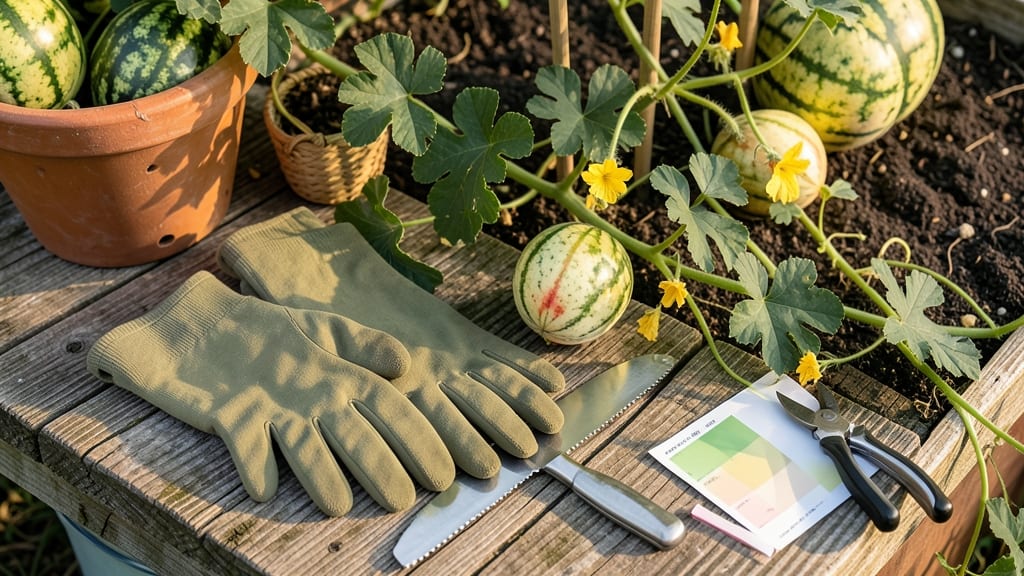
To pick mini watermelons at the perfect time means catching them at the peak of sweetness—when the 🍉 is firm, fully colored, and ready to taste like summer in every bite.
Picking too early means bland, underdeveloped fruit, while waiting too long risks overripe, seedy, or even rotting melons. The difference between a burst of flavor and a disappointment often comes down to knowing the right moment—and the visual cues that never lie.
In this guide, I’ll walk you through the three key signs of ripeness (including the "thump test" that works for mini varieties), how to adjust for your climate, and the best time of day to harvest for maximum sweetness and storage life.
Whether you’re growing ‘Sugar Baby’ or ‘Tiny Tim,’ these tips will help you avoid the most common mistakes and turn your harvest into a flavor-packed success every time.

3 Visual & tactile signs your mini watermelon is ripe (and ready to harvest)
Mini watermelons like ‘Sugar Baby’ or ‘Tiny Tim’ mature faster than their giant cousins, but they still need precise timing to reach peak sweetness. Unlike full-sized watermelons, these compact varieties show ripeness through subtle but unmistakable clues.
The key is knowing what to look for—because once you miss the window, your melons can go from perfectly sweet to seedy or mushy in just a few days.
I’ve harvested hundreds of mini watermelons over the years, and these three signs—rind color shifts, tendril drying, and the ‘thump test’—have never failed me.
They’re especially critical for mini varieties, where size and flavor develop simultaneously. Let’s break down each cue so you can confidently pick your melons at their prime.
🍉 3 Field-Proven Signs Your Mini Watermelon Is Ready
- 1. Rind Color Shift: Look for full, vibrant color—no pale or green patches. ‘Sugar Baby’ turns bright yellow, while striped varieties (like ‘Tiny Tim’) show crisp, defined stripes.
- 2. Tendril Drying: The small tendril closest to the fruit (not the larger vine tendrils) should turn brown and crispy. This signals the melon is pulling nutrients to mature.
- 3. ‘Thump Test’: Tap the melon with your knuckles—it should sound hollow and deep, like a drum. A dull thud means it’s underripe; a mushy sound means it’s overripe.
Pro Tip: Combine all three signs for accuracy. A melon with full color + dried tendril + hollow thump is guaranteed ripe!
For rind color shifts, pay close attention to the underside of the melon, where the stem meets the fruit. This area often darkens first, especially in striped varieties.
If you’re growing in shady conditions, the color may fade—so supplement with a grow light if needed to ensure full ripening.
The tendril drying is a game-changer for mini watermelons. Unlike larger varieties, these tendrils are tiny and can dry overnight, so check them daily during the last week of growth.
If the tendril is still green or slightly wilted, wait another day or two. This cue is your best indicator that the melon is pulling nutrients inward to sweeten.
Mastering the ‘thump test’ takes practice, but it’s foolproof once you get the hang of it. Hold the melon gently in one hand and tap it firmly with your knuckles—not too hard—near the blossom end (where the stem attaches).
A ripe mini watermelon will vibrate slightly and produce a clear, ringing sound. If it feels soft or mushy when you press lightly, it’s past its prime.
Climate plays a huge role in ripening time. In hot, dry regions, mini watermelons may ripen in as little as 45 days, while cooler or cloudy summers can stretch this to 75 days.
Always adjust your harvest timeline based on your local last frost date and average summer temperatures. For example, if you’re in Zone 6a, aim to harvest by mid-September to avoid early frost damage.
One common mistake I see is over-relying on size. Mini watermelons like ‘Sugar Baby’ rarely exceed 3 pounds, but they’re still fully ripe at 1-2 pounds if they meet the other two signs.
Size alone isn’t a reliable indicator—always cross-check with color and the thump test to avoid disappointment.
Harvesting at the right time also affects storage life. Ripe mini watermelons stored in a cool, dry place (50–55°F) will last 2–3 weeks, while overripe ones spoil in 3–5 days.
To extend shelf life, store them stem-side down in a paper bag to retain moisture and prevent dehydration.
If you’re growing mini watermelons in containers, watch for root-bound stress, which can delay ripening. Upgrade to a 15–20 gallon pot if your plant outgrows its current container, and use a balanced fertilizer (like 10-10-10) every 4–6 weeks to encourage even growth and sweetness.
Remember, the best time to harvest is in the morning, after the dew has dried but before the heat of the day sets in. This ensures your melons are firm, cool, and at their sweetest.
With these three signs mastered, you’ll never second-guess your harvest again—and your taste buds will thank you every time you sink your teeth into a perfectly ripe mini watermelon.
How to avoid overripe or underripe mini watermelons: a grower’s mistake guide
Even with perfect growing conditions, mini watermelons can easily become overripe or underripe if you miss the timing window. I’ve seen gardeners harvest melons that are still hard and bland one day and seedy and mushy the next—all because they didn’t account for variety-specific growth rates or climate variations.
The key is understanding how these factors influence ripening and adjusting your approach accordingly.
For example, ‘Sugar Baby’ typically matures in 50–60 days, while ‘Tiny Tim’ can take up to 70 days in cooler climates. If you’re in Zone 6a, waiting until mid-September might mean frost damage, while harvesting too early could leave you with underdeveloped fruit.
The solution? Track your plant’s progress and use visual cues (like those we covered earlier) to fine-tune your harvest timing.
⚠️ When to Pick Mini Watermelon: The Critical Mistake
Harvesting too late is the #1 reason mini watermelons turn seedy, watery, and bitter. Unlike larger varieties, these melons stop sweetening once fully ripe and quickly decline. Check for dried tendrils + hollow thump—if both aren’t present, wait 1–2 days max. Overripe melons lose flavor fast, so don’t gamble on "just one more day."
💡 Pro Tip: If your mini watermelon’s rind feels soft or the stem detaches easily, it’s past prime. Store it immediately in the fridge (50–55°F) to slow spoilage.
Soil conditions play a huge role in ripening speed. Sandy soil drains too quickly, stressing plants and slowing fruit development, while clay-heavy soil can cause root rot if not amended with compost. Aim for well-draining, nutrient-rich soil with a pH of 6.0–6.8.
If your soil tests low in organic matter, mix in aged compost or coconut coir before planting to ensure steady nutrient uptake.
Climate also dictates your harvest window. In hot, arid regions (like Arizona or California), mini watermelons may ripen 10–14 days faster than in cooler, humid areas (like the Pacific Northwest).
Use a planting calendar tailored to your USDA zone and adjust your timeline by ±7 days based on local weather patterns. For example, if your area had an early heatwave, expect faster maturation.
Another common mistake is harvesting based on size alone. A 1-pound ‘Sugar Baby’ can be fully ripe if it meets the color, tendril, and thump test standards, while a 3-pound melon might still be underripe.
Always prioritize visual and tactile cues over guesswork. For container growers, root-bound stress can delay ripening—upgrade to a 20-gallon pot if vines exceed 3 feet.
To maximize sweetness, harvest in the early morning (after dew dries but before 10 AM heat). This ensures melons are cool, firm, and at peak flavor. Store them in a paper bag in the fridge to retain moisture and extend shelf life by 1–2 weeks.
If you’re unsure about ripeness, cut one open—a ripe mini watermelon should have red flesh with minimal seeds and a sweet, crisp texture.
By avoiding these pitfalls—over-reliance on size, ignoring climate adjustments, and harvesting at the wrong time of day—you’ll transform your mini watermelon harvest from hit-or-miss to consistently sweet and satisfying.
The difference is in the details, and now you’ve got the tools to nail it every time. 🌱