
How To
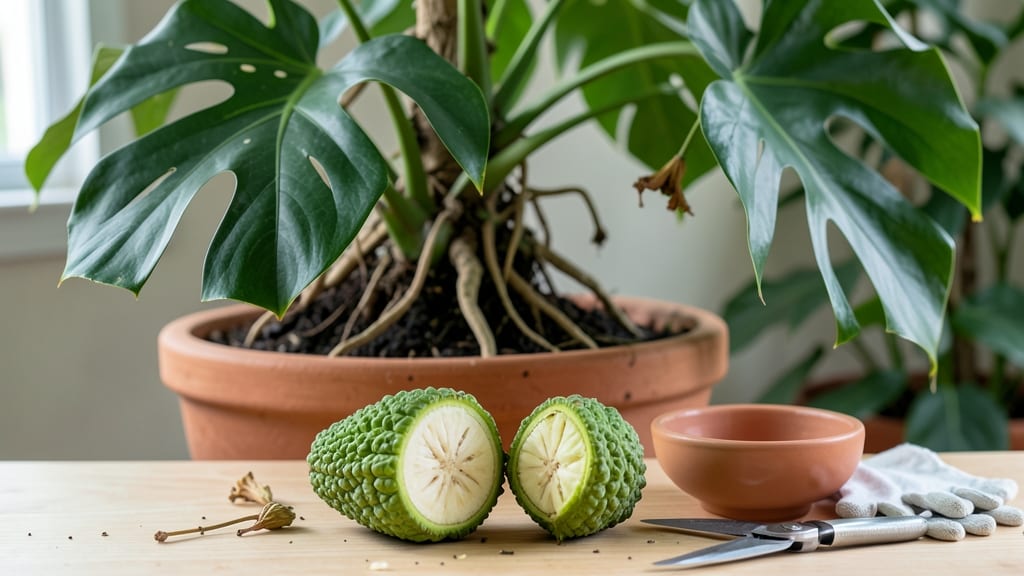
Picking Monstera fruit at the right time means the difference between a sweet, pineapple-like treat 🍈 and a bitter, inedible mess.
You’ve spent months watching those green clusters swell, only to wonder: Is it ready now, or should I wait? The answer lies in berry size, color shifts, and even the vine’s health signals—none of which are as obvious as they seem.
In this guide, I’ll walk you through the exact visual cues to harvest (like that 0.5–1-inch diameter and yellowing skin) and when to pull the plug before the fruit spoils or the vine collapses. Spoiler: timing it wrong can mean wasted energy and a plant that skips fruiting next year.
You’ll also learn how to handle unripe fruit safely (yes, it’s toxic), store your harvest, and even try a few simple recipes—because once you master the pick, you’ll want to use it.

Monstera fruit ripeness stages: berry size vs. color timeline
Harvesting Monstera deliciosa fruit at the right stage transforms it from a tough, green cluster into a sweet, tropical treat. The key lies in watching for two critical cues: berry diameter and color shifts.
Most gardeners miss the window because they focus only on color—yet size and texture are equally important. For example, a 0.5–1-inch diameter berry is prime, but if it’s still rock-hard, it’s not ready.
Indoor plants often struggle to ripen fruit fully due to low light conditions, so their berries may never turn completely yellow. Outdoor vines, however, follow a more predictable late fall to early winter timeline.
If your Monstera is potted, move it near a south-facing window or under grow lights to encourage ripening. Without these adjustments, you might end up with underripe or overripe fruit.
Here’s the visual and tactile checklist I use to time my harvests perfectly:
The green-to-yellow transition is the most obvious sign, but don’t rely on it alone. A berry that’s 80–90% yellow with brown speckles is your target—this indicates the fruit’s starches have converted to sugars.
Press gently: if it yields slightly (like a ripe avocado), it’s ready. If it’s still firm, wait another 3–5 days.
Seasonal timing varies wildly between indoor and outdoor plants. Outdoor vines in USDA Zone 6a or warmer typically fruit in late summer to early fall, ripening by October or November.
Indoor plants, however, may never fully ripen unless you supplement with grow lights or move them outdoors temporarily. I’ve seen potted Monsteras take 18 months to fruit, so patience is key.
One mistake I made early on was harvesting based solely on color. I picked a cluster that looked yellow but was still rock-hard inside, resulting in a bitter, almost toxic taste.
Always combine color, size, and texture checks. If the berries feel slimy or split open, they’ve passed their prime and should be removed to prevent rot from spreading to the vine.
For indoor growers, temperature and humidity play a huge role. Monsteras need 60–70% humidity to ripen fruit properly. If your home is dry, place a humidifier nearby or mist the leaves daily.
I’ve also had success using a pebble tray under the pot to maintain moisture levels. Without these adjustments, your fruit may stay green indefinitely.
Pro tip: Smell the fruit before harvesting. A ripe Monstera emits a sweet, pineapple-like aroma—this is your final confirmation. If it smells neutral or fermented, it’s either unripe or overripe.
I keep a small notebook to track my plants’ ripening patterns, noting the exact days to maturity for each cluster. This helps me predict future harvests more accurately.
Finally, never harvest fruit from a stressed vine. If the leaves are yellowing, the stems are mushy, or the plant is dropping buds, wait until it recovers. A healthy vine will produce better-quality fruit next season. Prune any damaged or diseased clusters immediately to redirect
Signs of overripe Monstera fruit: vine dieback and berry spoilage
Your Monstera deliciosa fruit might look ready, but ignoring these overripe warning signs can mean losing both the harvest and your plant’s health. Blackened berries, mushy textures, and sudden leaf yellowing aren’t just cosmetic issues—they signal your vine is struggling.
The key is acting fast to salvage what you can while preserving the plant’s future fruiting potential.
First, berry spoilage starts with a darkening skin that shifts from yellow to brown or black. This isn’t just about taste—it means the fruit’s flesh is turning fermented and seedy, often with a sour, alcohol-like smell.
If you press a berry and feel liquid oozing out, it’s past its prime. Worse, these overripe berries can attract fruit flies, which will target your entire plant.
Next, watch for vine dieback. Overripe fruit clusters drain the vine’s energy, causing leaves to yellow or drop prematurely. You might also spot stem collapse near the fruit—where the vine weakens and sags.
This isn’t just from the weight; it’s a sign the plant is starving for nutrients to support both leaves and fruit simultaneously.
Don’t wait until berries are blackened or mushy—pick when they’re 80% yellow with brown speckles. If you see vine collapse or leaf drop, prune the entire fruit cluster below the base to redirect energy to new growth. Never leave spoiled fruit on the vine—it spreads rot and pests.
🌱 Pro Tip: Sterilize pruners with rubbing alcohol to prevent bacterial spread.
But how do you tell if the problem is natural ripening or pest damage? Check for tiny holes or webbing near the berries—these are fruit fly larvae or mealybugs feasting on your harvest.
If the vine’s new leaves are curled or sticky, pests are likely the culprit. In this case, isolate the plant and treat with neem oil before pruning any affected clusters.
If your Monstera’s fruit is already too far gone, focus on reviving the vine. Cut back the entire fruit stalk at the main stem junction and flush the soil with water to remove pests.
Then, reduce watering slightly to help the plant recover. With proper care, your Monstera can bounce back and produce healthier fruit next season—but only if you act before the damage spreads.
Remember, overripe fruit is a red flag for your plant’s overall health. By recognizing these signs early, you’ll save both your harvest and your vine’s future.
Keep an eye on those berries, and don’t hesitate to prune aggressively if needed—your Monstera will thank you with lush new growth and maybe even another chance at fruit next year. 🌿