
How To
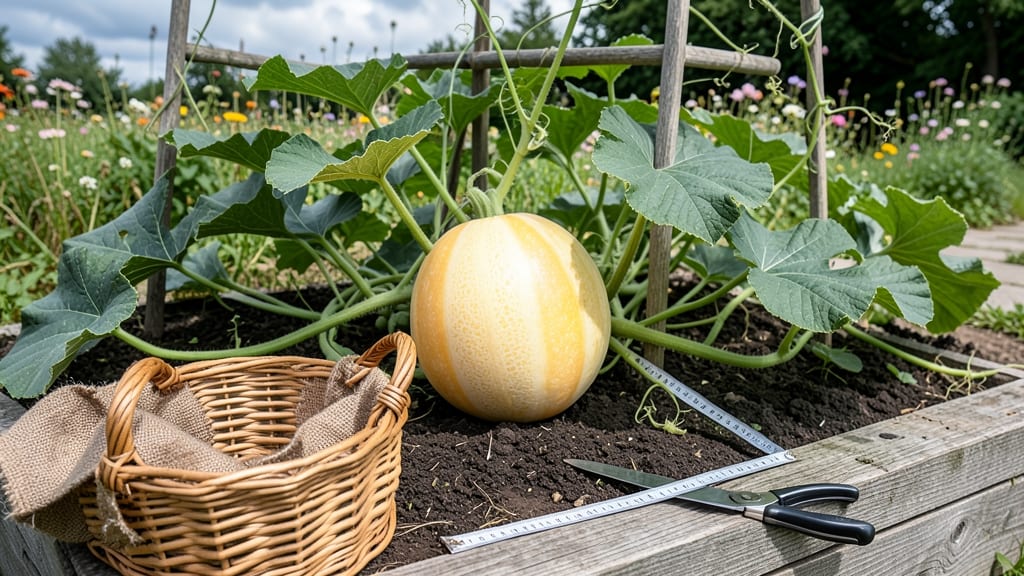
To pick muskmelons at their sweetest, time it right when the stem slips and the scent hits you like a summer breeze 🍈—this is the moment between underripe and overripe.
Picking a muskmelon at the perfect moment means the difference between a sweet, juicy masterpiece and a bland, underripe disappointment—here’s how to never guess again.
Most gardeners wait too long, letting melons sit until they’re past their prime, but the real trick is checking three key signals: the stem’s readiness to separate, the skin’s color shift, and that unmistakable sweet aroma near the blossom end.
Below, I break down the exact steps—from the net’s texture to the thump test—so you’ll know when to harvest for peak flavor, no matter your zone or variety.

How to check muskmelon ripeness using the net, stem, and color
Mastering the art of picking muskmelons starts with understanding their three key ripeness signals: the vine net, stem separation, and skin color. These clues work together to tell you exactly when to harvest for that perfect balance of sweetness and texture.
I’ve learned the hard way—overripe melons turn mealy, while underripe ones taste bland, so let’s dive into the foolproof methods that’ll save you from both fates.
First, the vine net (the rough, netted skin) is your first visual cue. When ripe, it should feel tough but slightly soft to the touch, almost like a well-worn leather. If it’s still hard and glossy, the melon needs more time on the vine.
This texture change happens as sugars develop inside, so don’t skip this step—it’s your early warning system for ripeness.
Common mistake alert: Many gardeners focus only on color and miss the net’s texture. A melon can look golden but still taste underripe if the net hasn’t softened. I once picked a cantaloupe based solely on color, only to find it watery and flavorless. The net’s texture is your secret weapon for early detection.
Next, check the stem near the fruit. When ripe, it should slip easily with gentle pressure—almost like it’s waiting to be picked. If you twist it and it resists, the melon isn’t ready yet.
This separation happens because the fruit’s ethylene gas triggers natural enzymes that weaken the stem’s attachment. Pro tip: Use your thumb and forefinger to gently twist the stem—if it snaps off cleanly, you’ve got a winner.
| Ripeness Signal | Ready for Pick? | What to Look For | Action |
|---|---|---|---|
| Vine Net Texture | ✅ Yes | Tough but slightly soft | Run fingers over net—should feel dry and papery |
| Stem Separation | ✅ Yes | Slips with gentle twist | Twist stem—should separate cleanly near fruit |
| Skin Color | ✅ Yes | Deep, consistent hue | Check for creamy yellow or tan (varies by variety) |
| Vine Net Texture | ❌ No | Hard and glossy | Wait 2-3 more days for softening |
| Stem Separation | ❌ No | Resists twisting | Check again in 1-2 days |
| Skin Color | ❌ No | Pale or uneven | Monitor daily for color deepening |
Color is the third clue, but it’s variety-dependent. Most muskmelons (like cantaloupes) turn a creamy yellow or tan when ripe, while others (like honeydews) develop a pale greenish hue. Look for color that’s consistent all over—no patches of green or white.
A quick trick: Check the blossom end (the side that faced the vine). If it’s creamy and slightly sunken, that’s a good sign.
Here’s where I see gardeners go wrong: they assume bigger size means riper fruit. But muskmelons stop growing once they’re fully ripe, so a larger melon isn’t necessarily sweeter—it might just be overripe.
Always prioritize the net, stem, and color over size. I’ve had small but perfectly ripe melons that beat out larger, watery ones every time.
For extra accuracy, combine these methods. For example, if the net feels soft but the stem won’t slip, wait another day. Or if the color is right but the net is still hard, give it more time.
The key is patience—muskmelons won’t ripen further once picked, so trust the process. Once you master these three signals, you’ll never second-guess your harvest again.
Pro tip: Keep a harvest journal to track which methods work best in your climate. Note the day you pick each melon and how it tastes—this’ll help you refine your timing for next season.
My first year, I missed the mark on half my harvest, but now I nail it thanks to these simple checks.
The nose-test and thump-trick: advanced ripeness detection methods
Beyond the visual cues of skin color and stem separation, muskmelons reveal their ripeness through subtle sensory signals that most gardeners miss. The nose-test and thump-trick are my go-to methods for confirming ripeness when visual signs are ambiguous.
These techniques work especially well for heirloom varieties or melons grown in shady conditions, where traditional indicators might be unreliable.
Start by giving your melon a gentle stem thump—tap it lightly with your knuckles. A ripe muskmelon will produce a deep, hollow sound, almost like knocking on a wooden door. If it sounds dull or flat, it’s not ready yet.
This test works because ripe melons have less internal resistance due to their softening flesh and developed sugars. Pair this with the nose-test for the most accurate results.
Now for the nose-test: Hold the melon near its blossom end and take a deep sniff. A ripe muskmelon should emit a powerful, sweet aroma—think honey, musk, and ripe cantaloupe. If you detect no scent or only a faint, vegetal smell, the melon needs more time on the vine.
This aroma comes from volatile compounds that develop as sugars break down during ripening.
Thump Test
Tap the melon with your knuckles—hollow sound means ripe, dull sound means underripe.
Sniff the blossom end—sweet aroma confirms ripeness, no scent means wait.
Check stem separation—should twist off easily with slight resistance.
Press skin near stem—slight give indicates ripeness, firmness means underripe.
For extra accuracy, combine these tests with a skin texture check. Press your thumbnail into the melon’s skin near the stem. A ripe muskmelon will yield slightly to pressure, almost like pressing a ripe avocado.
If the skin feels too firm, the melon isn’t ready, while overly soft skin means it’s past its prime. This test is especially useful for organic muskmelons, which often ripen unevenly due to varying soil conditions.
Pro tip: Avoid harvesting melons after a heavy rain or when the vine is wet, as this can dilute their flavor and make the scent test unreliable. Instead, wait for a dry, sunny morning to perform your nose-test and thump-trick.
This timing ensures the melon’s natural sugars are concentrated, giving you the most accurate reading.
Once you’ve mastered these advanced methods, you’ll never second-guess when to pick your muskmelons again. The key is patience—let the melon fully develop its aroma and texture before harvesting, and you’ll be rewarded with explosively sweet fruit every time. Happy harvesting! 🍈