
How To
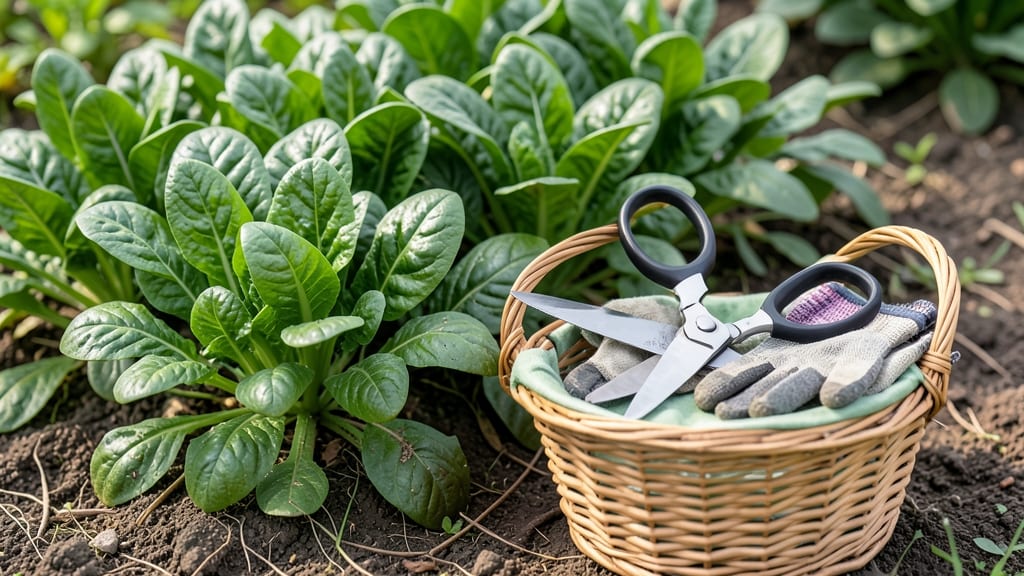
You should pick mustard greens when leaves reach 4-6 inches and taste their sharpest 🌱 — usually 6-8 weeks after planting, depending on your spring or fall season.
Mustard greens pack a bold, peppery punch—but timing your harvest wrong can turn that flavor into bitterness or wasted effort. Knowing exactly when to pick these fast-growing greens ensures you enjoy their crisp, zesty taste at its peak.
Wait too long, and the leaves turn tough and bitter as the plant bolts. Harvest too early, and you miss the full peppery flavor they’re known for. The key is catching them at the right stage—when they’re vibrant, tender, and packed with that signature kick.
In this guide, I’ll walk you through the best ways to spot ready-to-harvest leaves, how to avoid bolting, and even how to stretch your harvest season for a longer supply of these nutrient-packed greens.

Signs mustard greens are ready for harvest: leaf size and texture clues
Harvesting mustard greens at the right moment transforms their bold peppery flavor into a culinary delight. The leaf size is your first clue—aim for leaves between 4-6 inches long. This stage ensures they’re tender enough to eat raw or cook without becoming fibrous or bitter.
At this size, mustard greens strike the perfect balance between crisp texture and tender bite. Younger leaves (under 4 inches) are still sweet but lack that signature sharpness, while older leaves (over 6 inches) can turn tough and develop a bitter edge as they prepare to bolt.
Pay attention to leaf color too. Ready-to-harvest greens boast a deep green hue with occasional purple veins. These vibrant colors signal peak flavor and nutrient density. If leaves appear pale or yellowing, they’re either under stress or overripe.
Another key visual cue is the leaf texture. Run your fingers over the surface—ready leaves feel firm yet tender, almost like thick lettuce. If they’re too soft or mushy, they’ve been overwatered or left too long in the heat.
| Harvest Stage | Leaf Size | Texture | Color | Flavor Profile |
|---|---|---|---|---|
| Too Early | Under 4 inches | Very tender | Light green | Mild, sweet |
| Perfect Harvest | 4-6 inches | Firm yet tender | Deep green with purple veins | Bold, peppery |
| Overripe | Over 6 inches | Tough, fibrous | Yellowing or brown | Bitter, harsh |
Harvesting at the right leaf stage also prevents the plant from bolting—the process where mustard greens send up a flower stalk and become inedible. Bolting usually happens when leaves reach 6-8 inches and the plant senses warmer temperatures or longer daylight hours.
For the best flavor, I recommend harvesting outer leaves first using a sharp knife or clean scissors. This method lets the plant continue producing new growth while you enjoy a steady supply. Always cut leaves at the base to avoid damaging the plant’s center.
If you’re growing mustard greens for raw salads, harvest when leaves are on the smaller side of the ideal range (closer to 4 inches). For cooked dishes, slightly larger leaves (up to 6 inches) work best, as they hold up better to heat.
Pro tip: Harvest in the morning after the dew has dried but before the sun gets too intense. This ensures the leaves are at their crispest and most flavorful. Store harvested greens in a perforated plastic bag in the fridge for up to 5 days.
Remember, mustard greens grow quickly—sometimes in as few as 3-4 weeks under ideal conditions. Regularly check your plants every 2-3 days once they reach the 3-inch mark to catch them at peak harvest time.
How to avoid bolting: temperature and growth stage triggers for mustard greens
Mustard greens bolt when they sense heat stress or long daylight hours, shifting energy from leaf production to seed development. This happens most commonly in spring when temperatures rise above 70°F (21°C) or in late summer with extended daylight. The result? Bitter leaves and wasted harvest potential.
Bolting is triggered by a combination of genetic cues and environmental stressors. Cool-season varieties like 'Florida Broadleaf' or 'Southern Giant Curled' are especially sensitive. Once bolting starts, you’ll see tall flower stalks emerging, and the leaves will turn tough and bitter within days.
To prevent bolting, time your plantings carefully. In USDA Zone 6a (like my garden), I plant mustard greens in early spring (March) and late summer (August) to avoid heat spikes. For cooler climates (Zones 4-5), extend your fall harvest by sowing in July-August for a late-season crop.
🌱 Pro Tip: Use shade cloth (30-50%) during hot afternoons to lower soil temperatures. I’ve found this buys me an extra 2-3 weeks of harvestable greens in peak summer.
⚠️ Bolting Warning Signs: Act Now or Lose Your Harvest
If you see these signs, your mustard greens are bolting—and fast:
- 🌡️ Soil temps exceed 75°F (24°C) for 3+ days
- 🌱 Leaves yellow at the base while new growth appears leggy
- 🌿 Flower buds form at leaf axils (tiny stems where leaves meet)
- ⏳ Daylight hours exceed 14 hours (common in June)
🚨 Action Required: Harvest immediately—even small leaves are better than bolting plants. For future crops, adjust planting times or use bolting-resistant varieties like 'Tendergreen' or 'Red Giant'.
Another key strategy is succession planting. Instead of one massive crop, sow small batches every 2-3 weeks in spring and fall. This ensures a steady supply of young, tender greens before bolting can set in.
For example, my March 1st planting yields harvestable greens by April 15th, while a March 15th batch bolts by May 1st.
For container growers, choose compact varieties like 'Tokyo Bekana' and place pots in partial shade during summer. I’ve had success with 5-gallon containers, keeping them in morning sun only to delay bolting. Remember, consistent moisture is critical—let soil dry slightly between waterings to prevent stress-induced bolting.
Finally, avoid rich fertilizers in late spring or summer. Excess nitrogen can accelerate growth and trigger bolting. Instead, use a balanced 5-5-5 fertilizer sparingly in early spring or fall. My rule? Stop fertilizing by June 1st in Zone 6a to prevent heat-induced bolting.