
How To
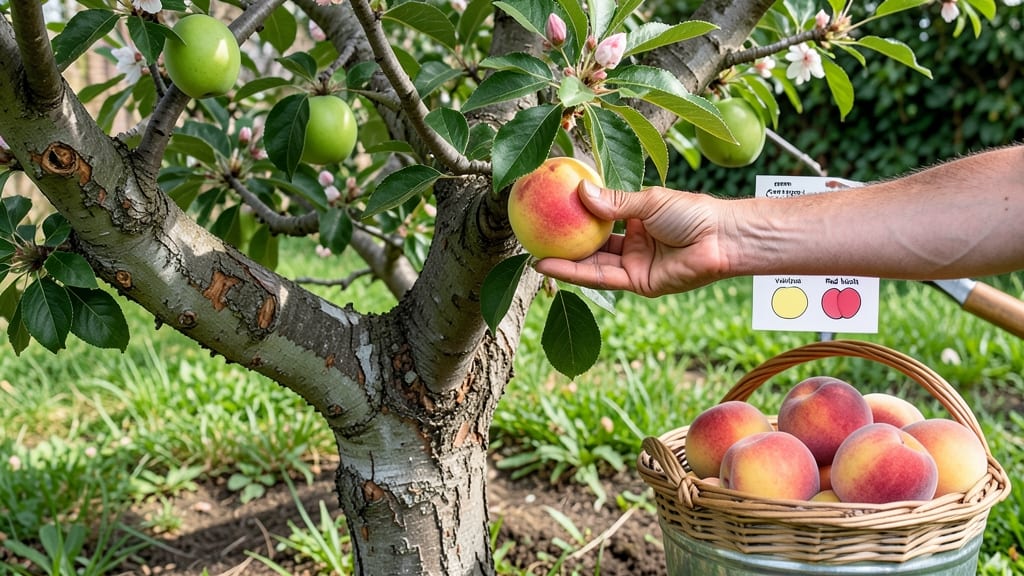
Picking peaches from a tree at the right time means the difference between a mealy, flavorless bite and a sweet, juicy burst of summer 🍑 — and most gardeners get it wrong the first few times.
You might think color is the only clue, but a peach’s true ripeness hides in its stem color, the way it yields to gentle pressure, and even its scent.
Ignore these signs, and you’ll end up with fruit that’s either rock-hard or turning to mush before you can enjoy it.
In USDA Zone 6, peach season peaks in mid to late summer, but timing varies by variety — early-season types like Redhaven ripen in July, while latecomers like Elberta may not be ready until August.
Below, I’ll walk you through the exact tests to use, plus how to adjust for heat waves or rain that can throw off your harvest.
By the end, you’ll know not just when to pick, but how to tell the difference between a peach that’s perfectly ripe and one that’s past its prime — saving you from wasted fruit and disappointed bites.

How to identify the perfect peach ripeness using stem color & blush test
Peaches don’t ripen evenly on the tree, so relying solely on color can lead to disappointment. The stem color and blush intensity are your first clues—look for a shift from green to yellow-orange hues, especially near the stem.
Freestone varieties often develop a deeper blush, while clingstone types may stay lighter. Never pick based on color alone, though, because some peaches never fully blush but are still sweet and ripe.
Next, check the stem attachment. A ripe peach will twist off easily with slight pressure—think of it like unscrewing a jar lid. If the fruit resists or the stem snaps cleanly, it’s not ready yet.
This test works best in the morning when fruit is firmer. Overripe peaches may detach with no effort, leaving a hollow spot where the stem was attached.
The blush test is especially critical for freestone peaches, which often ripen faster than clingstone varieties. Run your thumb over the fruit’s skin: ripe peaches yield slightly to gentle pressure, almost like pressing your cheek.
If the skin feels firm or springs back immediately, wait a few days. For clingstone types, the skin may be slightly firmer, but the stem should still twist easily.
Don’t overlook the scent test—a ripe peach emits a sweet, floral aroma near the stem. Sniff carefully: underripe fruit smells bland, while overripe peaches may have a fermented or musky scent. This is your last check before harvesting, as scent is the most reliable indicator of internal sweetness.
Here’s where many gardeners go wrong: they assume all peaches ripen at the same time. Freestone peaches (like Redhaven) often ripen 5–7 days earlier than clingstone varieties (like Elberta).
Check your tree daily during peak season—some fruits may be ready while others lag behind. Use a small notepad to track ripening progress by branch.
🌱
The thump test is a quick way to check ripeness without damaging the fruit. Hold a peach in one hand and tap it gently with your other fingers—ripe peaches emit a hollow, slightly dull sound, while unripe ones sound crisp and sharp.
This works best for freestone varieties, which soften more predictably than clingstone types.
For clingstone peaches, focus on the stem’s flexibility rather than skin color. These varieties often ripen later and may never develop a strong blush. Instead, watch for the stem to bend slightly when you twist it—this indicates the fruit is ready, even if the skin still looks greenish.
Clingstone peaches also tend to stay firmer longer, so combine the thump test with the scent check.
Environmental factors can throw off your timing. Heat waves accelerate ripening, so check peaches more frequently during hot spells. Conversely, cool nights slow down the process, delaying the blush and softening.
If rain is forecast, harvest ripe peaches early to avoid cracking or fungal issues. Store them at room temperature for 1–2 days to finish ripening indoors.
Pro tip: Use a harvest basket lined with a towel to prevent bruising when picking. Once you’ve harvested, store peaches at room temperature for 2–3 days to develop full flavor.
Refrigerate only after they’ve ripened, or they’ll lose sweetness and texture. For late-season peaches, pick them slightly underripe and let them ripen indoors to extend your harvest window.
✂️
Peach ripening timeline: when to harvest by variety (early, mid, late season)
Peach trees don’t ripen all their fruit at once, so timing your harvest by variety and seasonal stage is key. Early-season types like Redhaven burst with flavor in July, while late bloomers like Elberta may wait until August.
Even within the same tree, fruit ripens over 2-3 weeks, so check daily once you spot the first ripe peach.
Your USDA Zone matters too—warmer climates (Zones 7-9) ripen peaches 2-3 weeks earlier than Zone 6. Heat waves can speed up ripening, while cool, rainy summers may delay it. Below, I’ve mapped out the harvest windows for popular varieties, plus how to stretch your season for late fruit.
| Variety | Season | Harvest Window (Zone 6) | Climate Adjustment | Pro Tip |
|---|---|---|---|---|
| Redhaven | Early | July 1–15 | Ripens fastest in heat | Pick in morning for best flavor |
| Elberta | Mid | July 15–30 | Delays in cool summers | Thin early fruit for larger peaches |
| Jubilee | Late | August 1–15 | Needs warm nights to ripen | Harvest before birds peck them |
| Suncrest | Mid-Late | July 20–August 5 | Resists cracking in rain | Great for canning/jamming |
To extend your harvest, thin fruit early in the season—this directs energy to fewer peaches, delaying ripening by 1-2 weeks. For late-season varieties like Jubilee, cover fruit with shade cloth if a heat wave arrives early; this slows sugar development and keeps peaches on the tree longer.
If your peaches ripen too fast, try daily harvesting—overripe fruit splits, attracting pests like wasps. Store unripe peaches at room temperature to finish ripening; never refrigerate until fully ripe, or they’ll turn mealy.
Pro tip: Mark your calendar with the first frost date (October 15 in Zone 6). If late varieties like Elberta haven’t ripened by then, pick them green and ripen indoors—though flavor won’t match vine-ripe peaches.
🌱