
How To
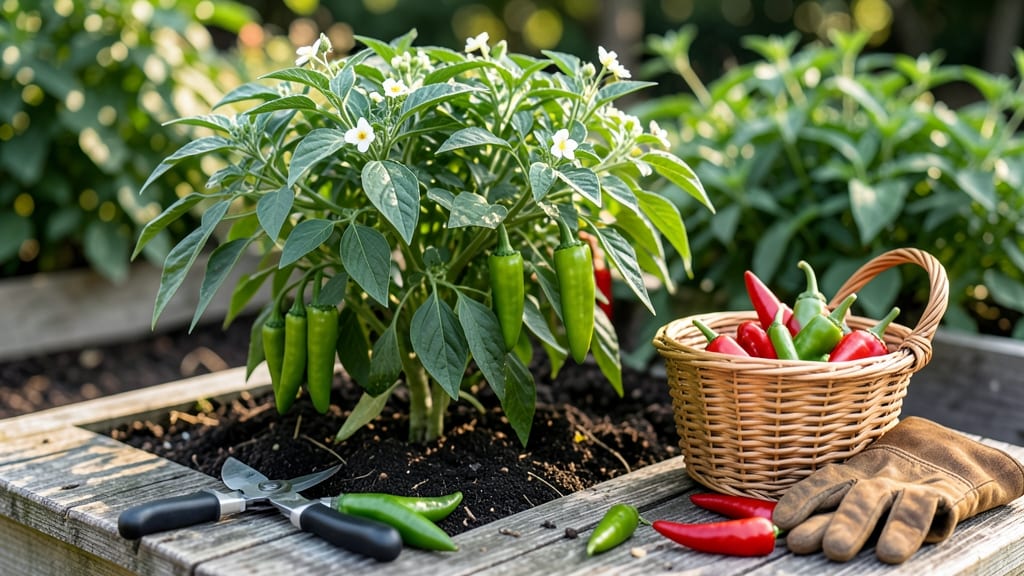
To pick serranos at their peak, watch for the stem twist test and vibrant color shifts 🌶️ — these are the key signs that turn a good harvest into a spicy, flavorful one.
Picture this: you’ve nurtured your serrano plants all season, and now the moment of truth arrives. One wrong move, and you could end up with peppers that are either too mild or bitter. Too early, and you miss the heat; too late, and the crunch and fire fade away.
Serranos mature in stages, each with its own flavor profile and heat level. Green peppers pack a milder punch, while red and orange varieties deliver the bold, fiery kick you crave. Knowing when to pluck them makes all the difference between a perfect salsa and a disappointing batch.
In this guide, I’ll walk you through the exact cues to look for—from color and size to the stem twist test—and share tips to maximize flavor and yield, no matter where you garden in Zone 6a or beyond.

Serrano pepper stem twist test: the ultimate ripeness indicator
Mastering the serrano pepper harvest starts with a simple but powerful technique—the stem twist test. This foolproof method reveals when your peppers are perfectly ripe, ensuring maximum flavor and heat. Unlike guessing by color alone, the twist test combines visual cues with tactile feedback for precision.
Whether your peppers are green, red, or orange, this method works every time. I’ve used it for years to harvest peppers at their peak, and it’s the secret to avoiding the bitter, watery peppers that come from picking too early or too late.
The stem twist test works because ripe serrano peppers develop a natural separation layer where the fruit meets the stem. When you gently twist, this layer breaks cleanly—no resistance, no tearing. This indicates the pepper is ready to harvest.
The test also helps distinguish between immature and overripe peppers, which can drastically alter your dish’s spice profile. For example, green serranos twist differently than red ones, and knowing these nuances means you’ll never miss the perfect moment to pick.
Before you twist, check for these visual cues to confirm ripeness: a deep, uniform color (no green stem ends), a firm yet slightly yielding skin, and a glossy finish. These signs alone can guide you, but the twist test seals the deal.
I recommend testing peppers in the morning when they’re cool and crisp—this is when their texture is most accurate. Overripe peppers might twist easily but will feel soft or wrinkled, while underripe ones resist the twist entirely.
Step-by-Step Stem Twist Test for Serrano Peppers
- 🌱 Step 1: Choose the Right Pepper
Select a serrano pepper that’s at least 2 inches long and shows a deep, uniform color (green, red, or orange). Avoid peppers with soft spots or wrinkles. - 🤏 Step 2: Grip the Stem
Hold the pepper firmly near the base where it meets the plant. Use your thumb and forefinger to grip about ½ inch from the stem. - ✂️ Step 3: Apply Gentle Twisting Pressure
Twist the pepper slowly and firmly in a circular motion. Apply pressure until you feel resistance break—this is the separation layer forming. - 🔍 Step 4: Assess the Twist
- Clean Break = Ready to Pick: The pepper twists off easily with no tearing.
- Resists Twist = Underripe: The stem holds firm; wait 2-3 more days.
- Twists but Feels Soft = Overripe: The pepper may be mushy or wrinkled; harvest immediately.
- 🌡️ Step 5: Confirm Ripeness with Visuals
After twisting, check the stem end. If it’s clean and dry, the pepper is perfect. If it’s wet or still attached by a thin thread, it’s not fully ripe.
Pro Tip: Test 2-3 peppers per plant to ensure consistency in ripeness.
Understanding the twist resistance at different maturity stages is key. A green serrano will twist with more resistance because its skin is thicker and less developed. Once it turns red or orange, the twist becomes smoother, signaling peak ripeness.
For example, a red serrano that twists easily is ideal for fresh salsas, while a slightly firmer orange serrano is perfect for drying. I’ve found that testing peppers every 2-3 days during peak harvest season (late summer to early fall) ensures I never miss the window.
The color transition also plays a role in the twist test. Green serranos often require a firmer twist, while red or orange peppers yield more easily. Pay attention to the skin texture: ripe peppers should feel taut and slightly waxy, not leathery or saggy.
If you’re growing multiple varieties, like ‘Chamula’ or ‘Mirassol’, note that their twist resistance varies slightly. Always twist a few peppers from each plant to account for these differences.
One common mistake is assuming all serranos are ready just because they’ve changed color. Some varieties, like ‘Lipstick’, stay green longer and need the twist test to confirm ripeness.
Others, like ‘Thai’ serranos, turn red quickly but may still need a few more days to reach their full heat potential. The twist test bridges this gap, giving you a tactile confirmation that visual cues alone can’t provide.
I’ve even used this method to harvest peppers in USDA Zone 8 during heatwaves, where ripening speeds up dramatically.
For maximum heat retention, harvest serranos in the early morning when temperatures are cool. This preserves their capsaicin levels and prevents the peppers from becoming rubbery. After twisting off the pepper, let it sit in a shady, well-ventilated area for 30 minutes to dry slightly before storing.
This step reduces moisture loss and extends shelf life. I store my freshly harvested serranos in the fridge for up to 2 weeks or freeze them for long-term use in sauces and salsas.
If you’re growing serranos in containers or greenhouses, the twist test is even more critical. Controlled environments can accelerate ripening, making it easy to overlook subtle changes. Always pair the twist test with a quick firmness check: press the pepper gently with your thumb.
A ripe serrano should dent slightly but spring back—never feel mushy. This dual approach ensures you’re harvesting peppers at their absolute peak, whether you’re growing them in full sun or under grow lights.
Remember, the stem twist test isn’t just about ripeness—it’s about quality. Peppers harvested at the right moment have the best flavor, heat, and texture. Overripe peppers lose their crispness and develop a bitter aftertaste, while underripe ones lack the fiery kick that makes serranos so beloved.
By mastering this simple technique, you’ll transform your garden into a spice powerhouse, ready to deliver restaurant-quality heat to every dish. Happy harvesting!
When to harvest serranos by color: green vs. red vs. orange stages
Harvesting serrano peppers at the right color stage unlocks their full flavor potential and heat intensity. Each maturity phase—green, orange, and red—offers distinct spice profiles and culinary uses.
For example, green serranos pack a milder Scoville heat (5,000–10,000 SHU) compared to red (10,000–23,000 SHU), while orange peppers strike a balance with complex fruity notes. Timing your harvest ensures you capture the perfect crunch and aromatic oils that define their character.
Understanding these stages helps you decide whether to use peppers fresh in salsas, dried for sauces, or fermented for hot sauces. For instance, green serranos are best for quick-pickled dishes, while fully ripe red peppers shine in slow-cooked sauces where their sweetness develops.
Below, we break down the visual cues, heat levels, and ideal harvest windows for each color, so you can maximize your serrano harvest’s potential.
| Color Stage | Scoville Heat (SHU) | Flavor Profile | Best For | Harvest Time |
|---|---|---|---|---|
| Green | 5,000–10,000 | Grassy, tangy, mild heat | Pickling, fresh salsas, stir-fries | 60–75 days after transplant |
| Orange | 10,000–15,000 | Sweet, fruity, balanced heat | Drying, sauces, roasted dishes | 75–85 days after transplant |
| Red | 10,000–23,000 | Sweet, smoky, intense heat | Fermented sauces, dried flakes, slow-cooked dishes | 85–90 days after transplant |
Green serranos are the youngest harvest, typically ready when they reach 2–3 inches and develop a slight gloss. Their milder heat makes them ideal for quick-cooked dishes where you want to preserve their crisp texture.
However, green peppers lack the sweetness and complexity of their ripe counterparts, so they’re best used in bright, acidic recipes like lime crema or mango salsa.
Orange serranos bridge the gap between green and red, offering a sweet-tart balance and moderate heat. They’re perfect for drying or roasting, as their natural sugars caramelize beautifully. Harvest them when the entire pepper turns a deep orange hue and the skin feels slightly leathery.
This stage is also great for homemade hot sauces, where their fruity depth shines.
Red serranos are the peak of ripeness, delivering the highest heat and most complex flavor. Their Scoville rating can climb to 23,000 SHU, making them a powerhouse for fermented hot sauces or dried pepper flakes.
To test readiness, gently squeeze the pepper—it should yield slightly but not feel mushy. Overripe red serranos lose their crunch and develop a wrinkled texture, so harvest them just as the color deepens fully.
Pro tip: Morning harvests preserve peak freshness and aroma, as cooler temperatures slow oxidation. Store freshly picked serranos in the fridge for up to 1 week or freeze them whole for later use in cooked dishes.
For drying, harvest at the orange or red stage and hang in a well-ventilated, shady spot for 1–2 weeks.