
How To
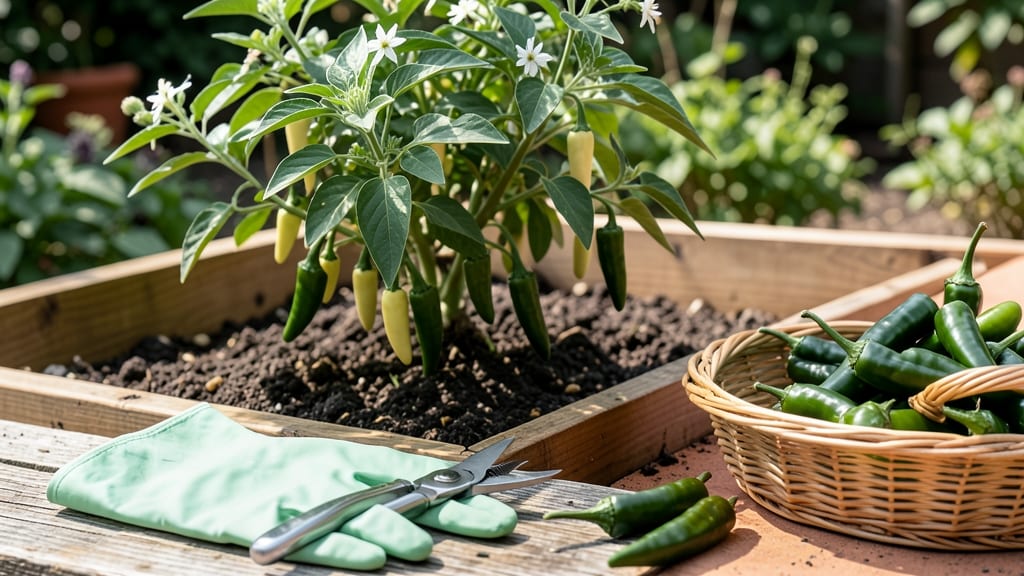
To pick shishito peppers at their peak flavor and heat, watch for vibrant green pods between 3 and 5 inches long—that’s when they’re sweetest and just spicy enough.
Shishito peppers are prized for their delicate, blistering-hot flavor—but knowing exactly when to harvest them can mean the difference between a mild, tender pepper and a bitter, overripe disappointment. The secret lies in subtle vine color shifts and size cues most gardeners miss.
In USDA Zone 6a, your July–September harvest window is your best bet, but heat waves and humidity can speed up ripening. If the pods stretch past 5 inches or the stems turn purple-red, they’ve passed their prime.
Here’s how to spot the perfect 🌶️ shishito pepper—plus why timing matters for flavor, yield, and avoiding the dreaded "too spicy" surprise.

How vine color changes indicate perfect shishito pepper ripeness
Harvesting shishito peppers at the right moment transforms your garden bounty from mildly sweet to intensely flavorful. Unlike many peppers, shishitos rely heavily on vine color shifts to signal peak ripeness. These subtle changes—often overlooked—directly impact heat intensity and tender texture.
I’ve learned the hard way that ignoring these cues leads to peppers that are either too spicy or woody and bitter.
The key lies in observing three critical areas: the pepper skin, the stem attachment, and the leaf color near the fruit. When these elements align, you’ve hit the sweet spot for harvesting.
For example, a bright green pepper with a deep purple stem and slightly reddish leaves is your golden ticket to restaurant-quality shishitos. Let’s break down what to watch for at each stage.
| Stage | Pepper Skin Color | Stem Color | Leaf Color Near Fruit | Heat Level | Action |
|---|---|---|---|---|---|
| Early Growth | Pale green | Light green | Bright green | Mild (0-500 SHU) | Wait 2+ weeks |
| Optimal Ripeness | Vibrant green | Deep purple | Reddish-green | Balanced (500-1,500 SHU) | HARVEST NOW |
| Overripe | Dull green/yellow | Brownish | Yellowing | Hot (2,000+ SHU) | Remove immediately |
At the optimal ripeness stage, shishito peppers develop a vibrant green skin that’s slightly glossy to the touch. This isn’t just about color—it’s about maturity balance.
The stem attachment turns a striking deep purple, almost like a bruise, which is your plant’s way of saying, “Pick me now!” I’ve found that ignoring this purple hue often leads to peppers that are too hot or leathery.
The leaves near the pepper also send critical signals. Look for a reddish tint along the veins or edges—this indicates the pepper is photosynthesizing optimally and ready for harvest.
In my Zone 6a garden, this color shift typically appears 60-75 days after transplanting, but heatwaves can accelerate it by 1-2 weeks. Pay attention to your local microclimate—urban areas often stay warmer, speeding up the process.
One common mistake I see is harvesting based solely on size. While 3-5 inches is ideal, a pepper that’s too large (over 6 inches) will have thicker skin and higher heat levels.
The color cues help refine that size guideline. For instance, a 5-inch pepper with a purple stem is perfect, but the same-sized pepper with a green stem needs 3-5 more days on the vine.
Morning is the best time to harvest because peppers are cool and firm, making it easier to assess color and texture. Use clean pruning shears or your fingers to twist the pepper gently—it should detach cleanly without tearing.
If the stem resists or leaves a ragedy attachment, the pepper isn’t quite ready. This method also stimulates new growth, ensuring your plants keep producing.
In cooler climates (Zones 5-6), shishitos may take longer to develop their signature colors. If your plants are struggling to ripen by late summer, consider using a black plastic mulch to absorb heat and speed up color changes.
I’ve had success with this in Northern California, where evenings can still dip into the 50s°F even in July.
Finally, don’t ignore the weather. After a hot, dry spell, shishitos may ripen faster, and their colors become more intense. Conversely, overcast days can slow down the process.
Keep a harvest journal to track how your local weather patterns affect vine color shifts—this personal data will sharpen your timing year after year.
Mastering these color-based cues turns sh
Shishito pepper size and heat: why 3-5 inches is the golden rule
Shishito peppers follow a fascinating rule: the smaller the pepper, the milder the heat. At 3-5 inches long, they hit the perfect balance of sweetness and just enough spice.
This size range isn't random—it's when their capsaicin levels (the compound responsible for heat) stabilize at a predictable, enjoyable threshold.
Science explains this through plant maturity. As shishito peppers grow, their cells focus energy on developing capsaicin-rich tissues in the inner walls. When they reach 3-5 inches, the heat distribution becomes consistent across the pod.
Beyond this size, the heat intensifies because the plant shifts resources toward seed development and pod thickening, which concentrates capsaicin.
Here’s how to use this rule in your garden: measure your peppers regularly. A 3-inch pepper will be noticeably milder than a 5-inch one, but both will be delicious if harvested at the right time.
This size window also aligns with peak flavor development, when sugars and acids reach their ideal harmony.
Think of the 3-5 inch range as a secondary harvest indicator alongside vine color. While stem and leaf shifts (like deepening purples) signal ripeness, size gives you a precise metric.
For example, if your shishito stems turn purple-red but the pods are only 2 inches long, wait a few days—they’ll grow faster now. Conversely, if they’re 6 inches long with green stems, they’ve overripe and may taste bitter.
Pro tip: harvest in the morning when peppers are coolest. This preserves their crisp texture and flavor intensity. Use clean, sharp pruning shears to snip stems just above the pepper—this prevents damage to the plant and encourages more pods to form.
The 3-5 inch rule ensures you’re always harvesting at peak quality, not guessing based on color alone.
Remember, shishito peppers are continuous producers. By following this size guideline, you’ll enjoy a steady supply of mild, sweet, and slightly spicy peppers all season long.
And if you ever wonder why some peppers burn your tongue while others don’t, check their size first—it’s the simplest way to control the heat in your harvest!