
Picking
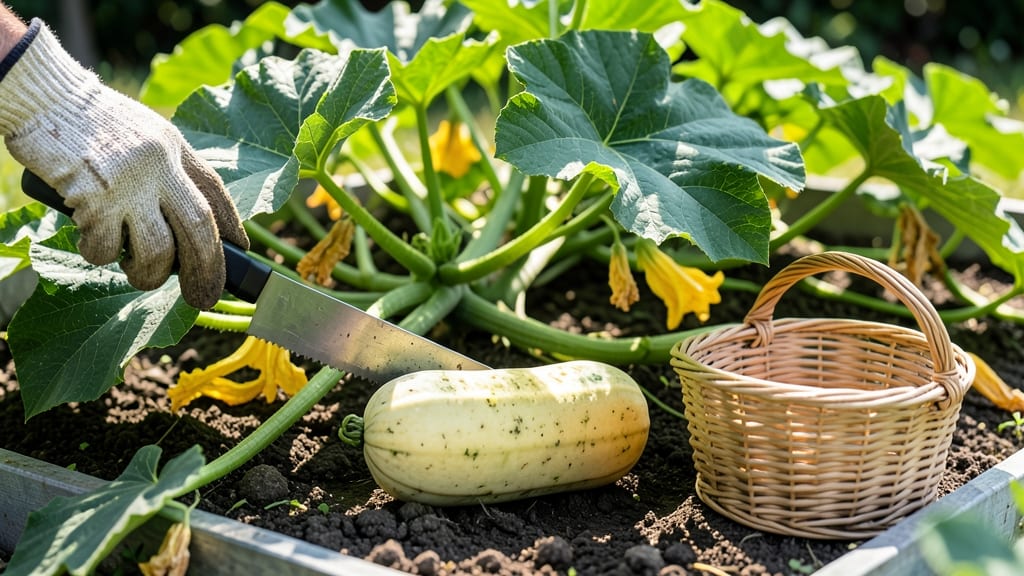
To pick spaghetti squash at its sweetest, wait until the skin turns from shiny green to a dull, matte cream color 🎃 — that’s when the strands inside transform from tough to tender.
Harvesting too early means you’ll end up with stringy, bitter flesh, while waiting too long risks mushy, overripe squash. The difference between a perfect harvest and a disappointing one often comes down to timing—and knowing the right cues.
Beyond color, check the stem for hardness (it should resist gentle pressure) and listen for a hollow sound when tapped. These simple tests, paired with the right seasonal timing, ensure you get the best flavor and texture every time.
In this guide, I’ll walk you through the exact maturity signs, the best time of day to harvest, and how climate affects ripening—so you can go from guessing to confidently picking spaghetti squash at peak perfection.
How to determine spaghetti squash seed maturity for optimal harvest
Spaghetti squash reaches its peak sweetness when harvested at the right maturity stage. Unlike many squashes, its rind color and stem texture change dramatically as it ripens—these visual cues are your best indicators.
Ignoring these signs often leads to tough, fibrous flesh instead of the delicate strands you love. Even experienced gardeners sometimes miss the window because the changes happen quickly, especially in warm climates.
Mastering these three key maturity stages—green, yellow, and cream—will transform your harvest from disappointing to exceptional. The transition from vibrant green to a dull, matte finish is the most reliable signal, but you’ll also notice the stem hardening and vine yellowing.
I’ve learned this the hard way: waiting just 2-3 days past the ideal window turns that creamy texture into a mushy mess.
| Stage | Rind Color | Stem Condition | Vine Status | Harvest Readiness |
|---|---|---|---|---|
| Early Green | Bright green, shiny | Soft, easy to puncture | Green, actively growing | Not ready (30-50 days) |
| Mid-Yellow | Dull green-yellow | Firm but still slightly soft | Green with slight yellowing | Nearly ready (60-75 days) |
| Late Cream | Dull cream, matte | Hard, resists fingernail | Mostly yellow, dying back | Perfect harvest (80-100 days) |
The color transformation from green to cream is your primary guide. When the rind loses its shine and develops a dull, matte finish, that’s your cue to act. I always test this by running my thumb along the surface—if it feels rough and dry, it’s ready.
The stem hardening is equally important: press your fingernail into the stem. If it doesn’t puncture easily, the squash is mature. This test works best in the morning, when stems are firmer.
Don’t overlook the vine condition as a secondary indicator. Healthy green vines mean the squash isn’t ready, but when they start yellowing and curling, it’s a clear sign to harvest soon.
I’ve noticed that in hotter climates, vines yellow faster, so I check them every 2-3 days during peak summer. The squash will also feel heavier for its size when mature, as the seeds inside develop fully.
Timing is everything with spaghetti squash. Harvesting too early results in underdeveloped strands that fall apart when cooked, while waiting too long leads to overripe flesh that’s watery and bland. The ideal window is when the rind turns cream-colored—this stage guarantees the sweetest, most tender texture.
I mark my calendar 90 days after planting as a general guideline, but always double-check with the visual cues.
One common mistake is assuming all squashes ripen at the same rate. Smaller varieties mature faster (around 80 days), while larger ones may take up to 120 days. Pay attention to your specific variety’s days-to-maturity label.
For example, ‘Honey Bear’ typically ripens in 95 days, while ‘Casaba’ might need 105 days. I’ve kept a garden journal for years to track these differences—it’s saved me from harvesting too soon!
If you’re unsure, perform the stem twist test: gently twist the stem near the squash. If it snaps cleanly with a slight resistance, it’s ready. If it bends without breaking, wait 1-2 more days.
Overripe squash will have a soft, mushy stem and may even split open on its own. This test is foolproof and works even in container gardens where space limits visual checks.
Pro tip: Harvest on a dry, sunny morning to let the squash cure properly. Avoid harvesting after rain, as excess moisture speeds up rot. Once picked, store them in a cool, dry place (50-55°F) for up to 2 months.
I’ve stored mine in a well-ventilated basement with great success. The key is patience—waiting for the perfect moment ensures your spaghetti squash will be sweeter and more flavorful than store-bought.
Remember, every spaghetti squash tells a story through its color and texture. By learning to read these maturity signals, you’ll transform from a guesser to a harvesting expert. The first time I nailed the perfect harvest, the strands were so tender they practically melted in
The stem flex test: pro gardener’s secret to perfect ripeness
When your spaghetti squash reaches maturity, the stem flex test becomes your best tool to avoid overripe, mushy flesh. This simple technique helps you determine if the squash is ready to harvest—without cutting into it prematurely.
Unlike other squash varieties, spaghetti squash relies on both visual cues and physical tests to guarantee sweetness.
The test works by gently twisting the stem near the squash. If it snaps cleanly with minimal resistance, the squash is likely overripe. If it bends slightly but doesn’t break, it’s ready for harvest. This method is especially useful in humid climates where squash can ripen unevenly.
⚠️ WARNING: Overripe Spaghetti Squash
⚠️ Avoid harvesting when:
- Stem detaches easily – Sign of overripeness and mushy texture
- Skin softens – Indicates rotting or fermentation inside
- Vines are completely dead – Often means flavor degradation
To perform the test, locate the stem attachment point where the squash meets the vine. Use your thumb and forefinger to apply gentle pressure—about 5 pounds of force. A slight bend without breaking means it’s ready. If the stem resists completely, wait 2-3 more days for full ripeness.
This test is particularly valuable for container gardeners or those in shorter growing seasons, where timing is critical. Pair it with the skin color check (dull cream) and tapping test (hollow sound) for foolproof results. Overripe squash won’t just be mushy—it’ll develop a fermented odor and bitter taste.
For best results, harvest in the morning when temperatures are coolest. This preserves sweetness and prevents sunburn on the rind. Store harvested squash in a cool, dry place (50-55°F) for up to 2 months—but eat it sooner for peak flavor!
Pro tip: Mark your planting date and use a garden journal to track days to maturity. Spaghetti squash typically ripens in 85-100 days, but stem flexibility trumps calendar dates every time. 🎃