
Vegetables
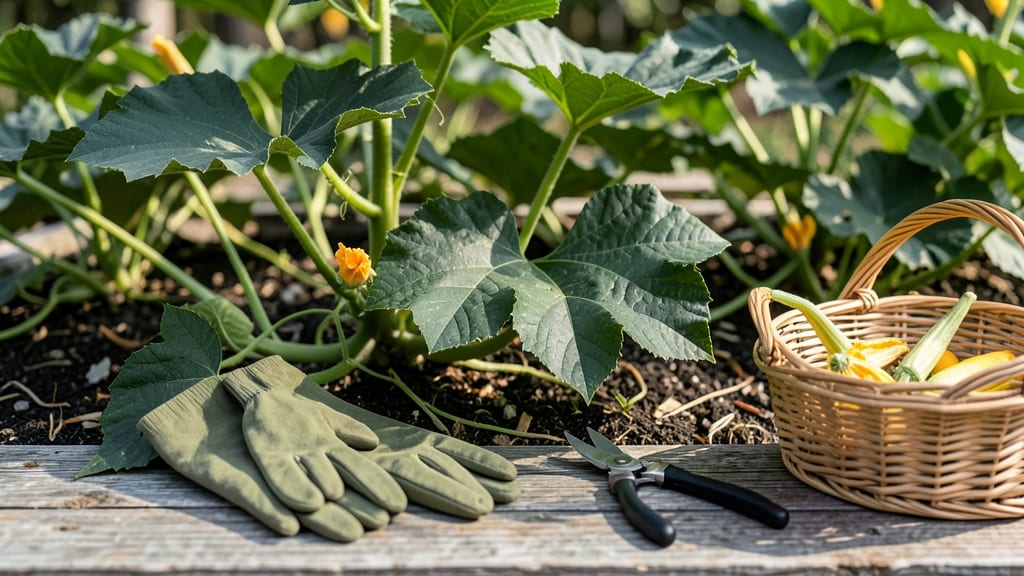
Picking squash blossoms at the right time ensures you get the most flavorful, tender flowers 🎃 — and the secret lies in knowing when they’re at their peak.
Squash blossoms are a culinary treasure—delicate, nutty, and packed with flavor—but timing your harvest wrong means missing out on their fleeting edibility. Whether you’re stuffing them or frying them up, a few minutes too early or late can turn a gourmet dish into a disappointment.
Most gardeners wait until the blossoms are fully open and bright in color, but there’s more to it than just looks. The time of day matters too—morning picks are fresher, while afternoon heat can wilt them before you even get to the kitchen.
Below, I’ll walk you through the exact cues to look for and the best practices to keep your harvests coming all season long.
You’ll learn how to spot the perfect blossom, the best time to harvest for maximum flavor, and what to do once you’ve picked them to keep them crisp and delicious. No more guesswork—just a foolproof guide to turning your garden into a feast.
Optimal harvest time for squash blossoms: morning vs. afternoon picking
Timing your squash blossom harvest is everything—just a few hours can turn a delicate, flavorful flower into a bitter, wilted mess. The best time to pick these edible blooms depends on two key factors: the time of day and the weather conditions.
Get it right, and you’ll enjoy their nutty, fresh flavor at its peak. Miss the window, and you’ll end up with tough, rubbery petals that ruin any dish.
Most gardeners swear by morning picking between 7 AM and 9 AM, when the blossoms are fully open, crisp, and packed with moisture. This is when their flavor compounds are at their highest, and the petals are firm to the touch.
Afternoon picking, on the other hand, often leads to wilting or bitterness, especially if temperatures climb above 85°F (29°C). Let’s break down the exact science behind these timing rules.
- 7–9 AM: Ideal window for morning picking. Blossoms are fully open, petals are crisp and firm, and flavor peaks before the heat sets in. This is when you’ll get the most tender texture and best taste.
- 10 AM–2 PM: Risky zone. Blossoms may start to wilt or lose moisture, especially in hot, dry conditions. Petals can become tough or bitter, reducing their edibility.
- 2–4 PM: Last chance, but only if necessary. Blossoms are more likely to be partially wilted or overheated. Prioritize morning harvests to avoid this.
- After 4 PM: Avoid picking. Blossoms are often closed or damaged by evening dew and temperature drops. This is when they’re least flavorful and most prone to spoilage.
- Cloudy days: Extend window to 10–11 AM. Cooler temps slow wilting, so you have a bit more flexibility in timing.
- Humid days: Pick by 8 AM. Excess moisture can cause fungal issues or rotting if blossoms sit too long on the vine.
Why does the time of day matter so much? Squash blossoms, like many flowers, open in response to sunlight and lose moisture quickly as temperatures rise. By 9 AM, the sun has already begun drawing water out of the petals, causing them to wilt or toughen.
This is why professional chefs and gardeners insist on morning harvests—it’s the only time you can guarantee peak freshness.
But timing isn’t just about the clock—weather conditions play a huge role too. On hot, dry days, blossoms can wilt within 2–3 hours of opening, while cool, cloudy mornings give you a wider window (up to 11 AM).
If you’re dealing with high humidity, pick even earlier—by 8 AM—to avoid fungal spores settling on the delicate petals.
Another critical factor is the bloom stage. You should only pick fully open blossoms with bright, unwilted petals. If the flower is still partially closed or has yellowing edges, it’s not ready.
Overripe blossoms (those that have already pollinated) will taste bitter and stringy, no matter when you pick them. Always check for firmness and color before harvesting.
If you must pick in the afternoon, do so only in emergencies and handle the blossoms with care. Immediately chill them in the fridge (for up to 24 hours) to slow wilting. However, the flavor and texture won’t be as good as morning-picked blooms.
For the best results, stick to the 7–9 AM window and make it a habit to check your squash plants first thing in the morning.
Pro tip: Use a pair of clean, sharp scissors or pruning shears to avoid damaging the vine or stem. Cut the blossom 1–2 inches below the flower to encourage more blooms to form.
This minimizes stress on the plant and boosts your overall harvest yield. Plus, it keeps your squash plant looking neat and healthy.
One common mistake gardeners make is picking blossoms too early—before they’re fully open. This can stunt the plant’s fruit production because the squash relies on these flowers to set new fruit.
If you’re harvesting blossoms for culinary use, leave at least 3–5 blossoms per vine to ensure the plant keeps producing squash fruit. Balance is key!
Finally, avoid picking blossoms on windy days. The physical stress of strong winds can cause the petals to tear or bruise, making them inedible.
If a storm is forecasted, harvest your blossoms the day before and store them properly. This ensures you don’t lose your hard-earned harvest to unpredictable weather.
How to identify perfect squash blossoms ready for picking
Identifying the perfect squash blossom to pick starts with understanding their visual and tactile cues. The color, size, and structure of the blossom all play critical roles in determining when it's ready for harvest.
A fully open blossom with vibrant petals is your first clue, but there’s more to it than just looks. The time of day and weather conditions also influence readiness, making it essential to know exactly what to look for.
Start by checking the blossom diameter, which should be at least 2-3 inches when fully open. Smaller blossoms often lack the tenderness and flavor you want in your dishes. Additionally, the petals should be crisp and unwilted, indicating they haven’t been exposed to excessive heat or humidity.
If the petals feel soft or droopy, the blossom may be past its prime or struggling due to environmental stress.
| Cue | Description | Action |
|---|---|---|
| Color | Bright yellow or white petals | Pick when fully vibrant |
| Size | 2-3 inches in diameter | Avoid smaller or larger blooms |
| Petal Texture | Crisp and firm to touch | Discard if wilted or soft |
| Time of Day | Morning hours (before 10 AM) | Harvest for maximum freshness |
| Weather | Clear, dry conditions | Avoid picking after rain or humidity |
Avoid the common mistake of picking blossoms that are still partially closed or budding. These won’t have the same delicate texture or flavor, and they’re often too small to use effectively in recipes.
Another pitfall is harvesting blossoms that are wilted or discolored, which can indicate stress, disease, or overripeness. These blooms may taste bitter or have a less appealing texture, ruining your culinary experience.
Pay attention to the center of the blossom as well. A healthy, ready-to-pick squash blossom will have a firm, slightly plump center with no signs of browning or damage. If the center looks shriveled or darkened, it’s a sign the blossom is past its peak.
This is especially important for varieties like zucchini or yellow squash, where the blossoms are prized for their tenderness.
Finally, always pick blossoms in the morning when they’re fully open and cool. This ensures they’re at their freshest and most flavorful. If you wait until the afternoon, the heat can cause them to wilt quickly, making them less appealing.
By following these cues, you’ll maximize your harvest and ensure every blossom you pick is perfect for stuffing, frying, or enjoying raw.
With these tips, you’ll never miss a perfect squash blossom again—just look for the right color, size, and texture, and you’re on your way to a bountiful harvest. Happy picking! 🌼