
How To
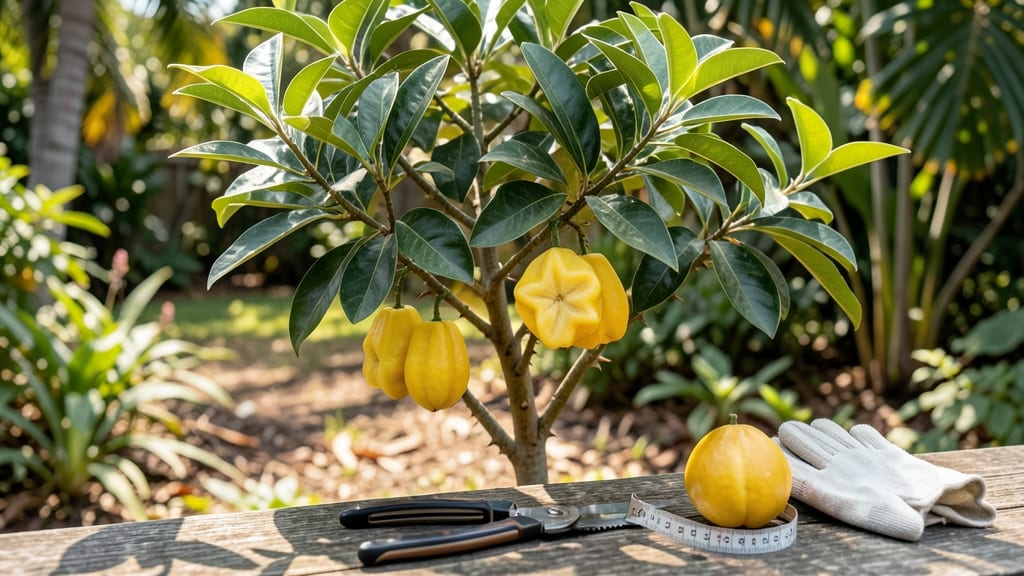
To pick starfruit at its peak, look for yellow-green skin, a slight twist at the stem, and fully developed seeds—these cues mark the sweetest, most flavorful fruit 🍈.
Picture this: you’ve been waiting months for your starfruit to ripen, only to bite into a mealy, seedy disappointment. That’s the frustration of picking too early—or too late.
The difference between a stellar harvest and a sad one comes down to timing, and I’ll show you exactly how to nail it every time.
Starfruit thrives in General (Tropical/Subtropical Regions), where the climate stays warm year-round, but even in USDA Zones 10-12, the signs of readiness can be subtle. Beyond color and firmness, there’s a simple seed check and a gentle pressure test that’ll save you from guessing.
Once you master these tricks, you’ll never second-guess your harvest again.
Inside, you’ll find a step-by-step checklist—from the first hint of yellow on the skin to the perfect moment to twist it free. Plus, I’ll cover how to store your freshly picked starfruit so it stays crisp and tangy for days, not weeks. Let’s get your harvest right.

Starfruit ripeness indicators: color, stem twist & seed maturity guide
Starfruit ripeness isn't just about guessing—it's about observing three key visual cues: skin color, stem twist, and seed maturity. Each clue reveals whether your fruit is still developing, perfect for harvest, or already past its prime.
In tropical climates like Zone 10-12, these indicators appear faster than in subtropical areas where cooler nights slow ripening.
For home gardeners, mastering these signs means the difference between juicy, sweet-tart starfruit and bland, seedy disappointments. The skin color shift from green to yellow-green is your first warning, but you’ll also need to check the stem’s ease of detachment and the seed cavity’s development to confirm readiness.
Let’s break down each clue with regional variations in mind.
🍈 Variety Matters: Some starfruit varieties like 'Golden Gem' ripen with a bright yellow hue, while 'Red Flesh' stays greenish-yellow. Always cross-reference with your specific variety’s known ripeness traits.
The skin color of starfruit is your first clue, but don’t rely on it alone. In Zone 11, fruit may turn yellow-green in as little as 6 months, while in Zone 9b, the process can stretch to 8 months.
Look for a uniform hue—patchy coloring often means uneven ripening, especially in partial-shade conditions.
Next, test the stem twist by gently grasping the fruit near the stem and applying a quarter-turn. If it detaches easily, it’s ready. In windy climates, stems may loosen prematurely, so combine this test with the seed check.
A stem that resists twisting signals underripe fruit, while one that snaps too easily means it’s overripe.
For the seed maturity test, slice the fruit open—ripe seeds should be plump and white, filling the central cavity. Hollow or shriveled seeds indicate the fruit was picked too early.
This internal check is non-negotiable in hotter climates, where external cues like color can be misleading due to rapid heat-induced ripening.
Regional temperature swings also affect ripeness. In subtropical Florida, starfruit may ripen faster in summer heat but slow down during humid monsoon seasons. Meanwhile, in California’s coastal zones, cooler ocean breezes can delay color changes.
Adjust your expectations based on your local microclimate—shade from nearby trees or urban heat islands can alter ripening timelines by 2-3 weeks.
Pro tip: Harvest in the morning when temperatures are cooler. This preserves the fruit’s sweet-tart balance and makes it easier to assess ripeness without the heat-induced softening that can occur later in the day.
Store harvested starfruit in a paper bag at room temperature for 2-3 days to finish ripening if needed.
If you’re growing multiple varieties, keep a ripeness journal. Note the days to maturity for each type in your climate—this helps you predict future harvests. For example, 'Carabao' starfruit often ripens 2 weeks earlier than 'Pink Flesh' in the same growing conditions.
Finally, remember that overripe starfruit loses its signature crunch and develops a fermented aroma. If you miss the window, the fruit can still be used for jams or juices, but the texture will be mushy. With these visual cues mastered, you’ll never second-guess your starfruit harvest again!
How to test starfruit ripeness beyond visual cues
When starfruit looks ripe but you’re still unsure, your hands and nose hold the answers. A gentle pressure test reveals firmness without bruising, while a seed sound check confirms maturity from inside the fruit.
These tactile methods cut through guesswork, especially in USDA Zones 10-12 where ripening happens year-round. I’ve used these tricks for years to avoid seedy disappointments.
Start with the pressure test: press your thumb gently into the fruit’s side. If it yields slightly—like pressing a ripe avocado—it’s ready. No give? Wait a few days.
Overripe fruit will feel mushy, and that’s past its prime. This works best in the morning hours when fruit is coolest and firmest.
Aroma is your next clue. A ripe starfruit releases a sweet-tangy scent near the stem—think citrus meets honey. Sniff carefully; underripe fruit smells bland, while overripe fruit may have a fermented odor.
For fresh eating, harvest when the aroma is strong but not overpowering. If you’re storing, pick slightly earlier when the scent is just developing.
Harvesting too late turns sweet starfruit into a mealy, seedy mess. Look for these red flags: skin with soft brown spots, a fermented smell, or seeds that rattle when shaken. These mean the fruit has peaked and will spoil within 24–48 hours. For storage, always pick 1–2 days before peak ripeness—this buys you 7–10 days of crispness in the fridge.
For the ultimate test, try the seed sound check. Hold the fruit near your ear and give it a light tap with your knuckles. A ripe starfruit produces a dull thud—like tapping a ripe melon.
Underripe fruit sounds hollow or metallic, while overripe fruit may feel squishy with no clear sound. This trick works best with yellow-green varieties, which are more prone to uneven ripening.
Timing matters for your end goal. For immediate fresh eating, wait until the fruit is fully yellow-green with a strong aroma and passes all tests. For long-term storage, harvest when it’s 70% ripe—just starting to soften.
Store in a paper bag at room temp for 2–3 days to finish ripening, then refrigerate. This two-step method preserves flavor and texture for up to 2 weeks.
Pro tip: If your starfruit tree is in a subtropical microclimate (like Zone 9b), ripening slows in cooler months. Monitor fruit weekly and adjust your tests accordingly. The key is consistency—once you master these methods, you’ll never second-guess your harvest again. Happy picking! 🍈