
Picking
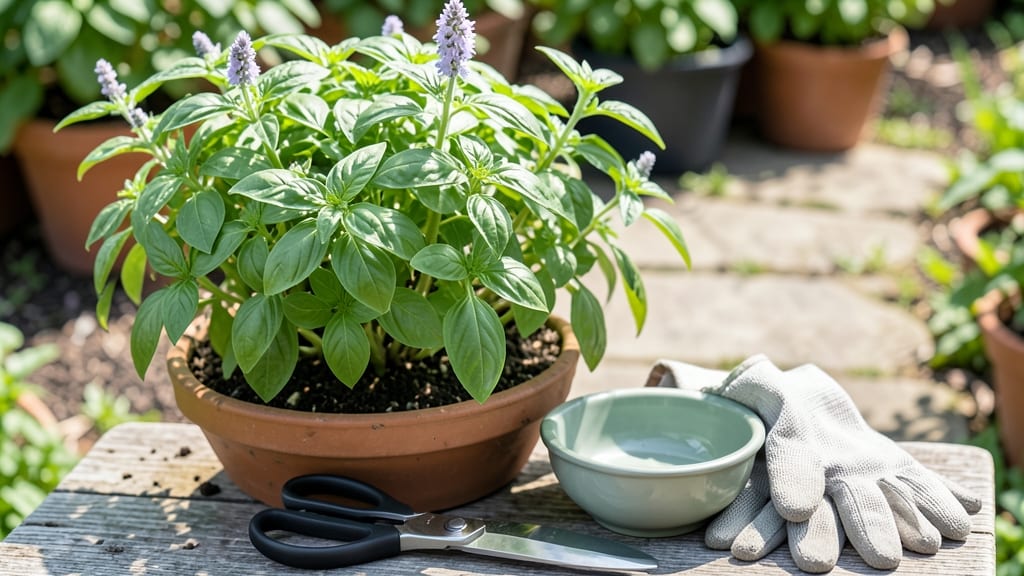
Harvesting basil at the right time ensures flavorful leaves and a bushier plant 🌿 — the key is knowing when to pinch and when to cut.
If your basil leaves taste bitter or your plant grows leggy and sparse, you’re likely harvesting at the wrong time—or not at all. Mastering the perfect timing can transform your kitchen herb game and keep your plant thriving for months.
Basil thrives when you start harvesting just 30 days after planting, but the real magic happens between June and September, when leaves are large, dark green, and packed with aroma. Pinching off flowers early also keeps the flavor sweet and the growth strong.
Below, I’ll walk you through the exact signs to look for, how often to harvest for maximum yield, and simple tips to preserve freshness—whether you’re drying, freezing, or using it fresh in your favorite dishes.

When and how to harvest basil for maximum flavor and growth
Harvesting basil at the right time is the secret to sweet, flavorful leaves and a bushy plant. Most gardeners make the mistake of waiting too long—right before flowering—or harvesting incorrectly, which leads to bitter-tasting leaves and stunted growth.
The key is to start pinching early and harvest consistently using the right techniques for your basil variety.
Basil plants typically reach harvest readiness in 4-6 weeks after planting, when they’ve grown 6-8 inches tall and developed 4-6 true leaves. At this stage, the leaves are large, dark green, and aromatic.
If you wait until the plant flowers, the leaves will turn bitter as the plant shifts energy from leaves to seed production.
There are two main harvesting methods: leaf-by-leaf plucking and stem pruning. Leaf-by-leaf is best for container plants or when you only need a few leaves, while stem pruning encourages bushier growth and is ideal for garden beds.
Each basil variety—like Genovese, Thai, or Purple—responds best to slightly different techniques, but the core principles remain the same.
-
Step 1: Identify the right time
Harvest when plants are 4-6 weeks old and 6-8 inches tall. Look for large, dark green leaves and firm stems. Avoid harvesting after flowering—this causes bitterness. -
Step 2: Choose your method
Leaf-by-leaf: Pinch or snip individual leaves from the top. Ideal for Thai basil or small pots.
Stem pruning: Cut stems 2-3 inches above a leaf node to encourage branching. Best for Genovese or garden beds. -
Step 3: Use clean tools
Always use sharp scissors or pruners (disinfected with rubbing alcohol) to avoid damaging stems. Never tear leaves—this stresses the plant. -
Step 4: Harvest in the morning
Pick leaves or stems early in the day (before 10 AM) when essential oils are at peak flavor. Rinse gently with cool water if needed. -
Step 5: Pinch flowers for longer harvests
As soon as you see flower buds, pinch them off immediately. This redirects energy to leaf production, extending your harvest season by 2-4 weeks. -
Step 6: Store properly
Wrap stems in a damp paper towel and place in a resealable bag in the fridge for up to 5-7 days. For long-term storage, dry leaves in a shady, well-ventilated area for 1-2 weeks.
For Genovese basil, the classic choice for pesto, focus on stem pruning to maintain a compact, leafy structure. Cut just above a leaf node (where leaves meet the stem) to encourage new growth.
This variety thrives with regular pruning every 2-3 weeks, producing larger leaves perfect for culinary use.
Thai basil, with its anise-like flavor, is more delicate. Harvest leaves individually or take small stem cuttings to avoid overpowering its subtle aroma. Since Thai basil bolts (flowers) faster, pinch off buds as soon as they appear to preserve flavor. Harvesting every 7-10 days keeps the plant productive and prevents bitterness.
If you’re growing Purple basil, which has striking foliage, the same rules apply—but its decorative leaves make it a favorite for ornamental gardens. Prune stems back by one-third to encourage bushier growth and prevent legginess. Purple basil’s flavor is milder, so harvest leaves when they’re fully colored and aromatic.
Over-harvesting can stress your basil plant, leading to yellowing leaves or stunted growth. Never remove more than one-third of the plant at once, and avoid harvesting in extreme heat or cold, which weakens the plant.
If you see woody stems or sparse foliage, it’s a sign you’ve harvested too much or waited too long.
To avoid bitterness, always harvest before flowering and pinch off buds early. Basil plants produce eugenol, a compound that increases when stressed or flowering, which is what causes that unpleasant bitter taste.
By following these steps, you’ll enjoy sweet, flavorful basil for months and keep your plant lush and productive.
With the right harvest timing and techniques, your basil will reward you with a steady supply of fresh, aromatic leaves. Whether you’re growing it for cooking, containers, or ornamental purposes, mastering these steps ensures your basil stays healthy, flavorful, and ready for the kitchen.
Common harvest mistakes that turn your basil bitter (and how to fix them)
Basil bitterness isn’t just about genetics—it’s often a sign your plant is stressed from poor harvest timing or overlooked care. When you wait too long to harvest, basil shifts energy from leaves to flower production, triggering bitter compounds.
Even worse, cutting stems too short or harvesting after flowering can permanently ruin your plant’s flavor profile.
The biggest culprit? Harvesting leaves when they’re small and sparse instead of waiting for them to reach 3-4 inches in size. This forces the plant to compensate by producing tough, bitter foliage. Indoor basil is especially vulnerable—without enough light, it grows leggy and develops bitter flavors faster than outdoor plants.
🚨 CRITICAL ERRORS TO AVOID 🚨
⚠️ Basil Harvest Time Mistakes That Ruin Flavor ⚠️
- Harvesting after flowering: Flowers trigger bitterness—pinch them off immediately.
- Cutting stems too short: Leave 2-3 inches of stem to encourage regrowth.
- Waiting until leaves are woody: Harvest when leaves are large and tender (30-45 days after planting).
- Ignoring seasonal adjustments: Indoor basil needs 12+ hours of light daily to avoid bitterness.
💡 Fix it: Revive leggy plants by pruning 1/3 of the stem and moving to a sunnier spot.
If your basil has already gone bitter, don’t toss it! Revive your plant by pruning back all flower stems and leggy growth. Trim the plant by one-third to encourage new, flavorful leaves.
For indoor basil, supplement with a grow light—even 6 hours of artificial light daily can prevent bitterness. Mulch around the base to retain moisture, which reduces stress-induced bitterness.
Seasonal adjustments are key: Outdoor basil thrives in June-September when days are long, but indoor basil needs consistent light year-round. In fall, reduce watering slightly to mimic cooler temperatures, and stop fertilizing to prevent leggy growth.
For winter storage, harvest leaves before the first frost and dry them in a well-ventilated, dark space to preserve flavor.
Pro tip: Harvest in the morning when essential oils (which carry flavor) are at their peak. Use clean, sharp scissors to avoid crushing stems, which can also trigger bitterness. For container basil, harvest leaf by leaf to avoid disturbing roots—this method keeps plants compact and flavorful longer.
Remember, basil is a fast grower—harvesting regularly (every 2-3 weeks) encourages bushier growth and sweeter leaves. The more you harvest correctly, the less bitter your basil will taste. With these fixes, you’ll go from bitter disappointment to flavorful success in no time! 🌿