
Vegetables
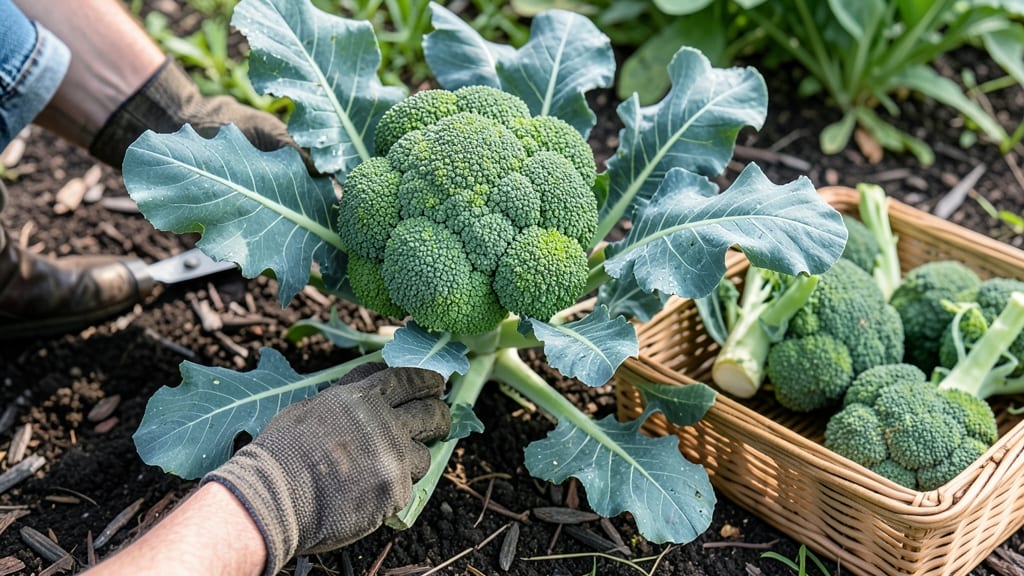
Harvesting broccoli at the right time ensures the best flavor, texture, and even more side shoots to pick later.
Picture this: you’ve nurtured your 🥦 broccoli for weeks, only to cut the head too late—now it’s bitter, woody, and past its prime. That’s why knowing the exact moment to harvest is the key to a rewarding harvest.
In General (Zone 6 default), broccoli thrives in cool weather, so timing your harvest between June and July for spring or October and November for fall makes all the difference.
But it’s not just about the calendar—it’s about the visual cues that tell you when the florets are at their peak.
Below, I’ll walk you through three foolproof signs to pick your broccoli at the perfect moment, plus how to avoid common mistakes that turn a great harvest into a disappointment.

Broccoli harvest time: 3 visual cues for perfect picking
There's nothing worse than biting into broccoli that's past its prime—bitter, woody, or worse, starting to flower. The good news? With just three simple visual cues, you can harvest broccoli at its peak flavor and texture every time.
I've learned that timing is everything, especially when it comes to broccoli's main head and those side shoots that follow. Master these signs, and you'll enjoy fresh, sweet broccoli straight from your garden.
Most gardeners wait too long, thinking bigger means better—but that's when broccoli turns tough and loses its sweetness. The secret lies in head size, color, and floret tightness.
These three factors work together to tell you exactly when to grab your pruners. I'll walk you through each one so you never miss the perfect moment again.
🌱 3 Visual Cues for Perfect Broccoli Harvest
- 1. Head Size: 4-6 inches in diameter (about the size of a baseball)
- 2. Color: Deep, vibrant green with no yellowing florets
- 3. Floret Tightness: Tightly packed buds that don't spread apart when touched
Pro Tip: The stem should snap cleanly when bent at the base—this means it's ready!
Let's start with the most obvious clue: head size. When your broccoli reaches about 4-6 inches in diameter, that's your golden window. I measure mine against a baseball for reference—if it's bigger than that, you've likely waited too long.
The head should feel heavy for its size, indicating it's packed with flavor. Smaller heads might still be developing, while oversized ones often become tough and bitter.
Next, pay close attention to the color. Perfectly ripe broccoli should be a deep, uniform green throughout. If you see any yellowing florets or pale spots, that's a red flag. Yellow means the broccoli has started to convert starches into sugars and is on its way to becoming woody.
I once waited too long and ended up with a head that was mostly yellow—needless to say, it didn't taste great.
The third and most critical cue is floret tightness. When the buds are tightly packed and don't spread apart when you gently touch them, that's your sign to harvest. If the florets are already starting to open up, the head will turn bitter and lose its sweetness.
I test this by running my thumb over the florets—if they stay closed, it's ready. This tightness is what gives broccoli its signature crunchy texture and sweet flavor.
Here's a bonus tip: Harvest in the morning when the heads are cool and crisp. This is when their flavor is at its peak. I always grab my pruners first thing in the morning and head straight to the garden.
The cooler temperatures also help preserve the broccoli's texture longer if you're not using it immediately. Plus, harvesting early means you can enjoy your fresh harvest right away for lunch or dinner.
One common mistake I see is assuming that bigger always means better. That's not the case with broccoli. Once the head starts to yellow or flower, it's past its prime.
The plant will still produce, but the quality drops significantly. Instead, focus on those three visual cues—size, color, and tightness—to ensure you're always harvesting at the perfect moment.
After harvesting the main head, don't forget about the side shoots that will continue to grow. These smaller heads can be just as flavorful if you harvest them at the right time.
I'll cover how to time those in the next section, but for now, focus on nailing the main head. With these cues, you'll never have to guess again—just look, feel, and harvest!
Remember, broccoli is a cool-weather crop, so timing your harvest with the seasons matters too. In spring plantings, aim for harvest in late spring to early summer, while fall plantings should yield in late summer to early fall.
Paying attention to these seasonal cues alongside the visual ones will give you the best results all season long.
Now that you know what to look for, grab your pruners and head to the garden. With these three simple visual cues, you'll be harvesting broccoli at its peak every time—sweet, tender, and full of flavor. Happy harvesting! 🥦
When to harvest broccoli side shoots for maximum yield
After harvesting your main broccoli head, you’ll notice smaller side shoots forming along the stem. These side shoots can produce 2-3 additional harvests if timed correctly. The key is knowing when they’re ready—typically 4-6 weeks after the main harvest, depending on your climate.
In cooler zones like Zone 6, side shoots often mature faster than in hotter regions.
I’ve found that side shoots grow best when the plant still has energy reserves from the main harvest. Pruning too aggressively or waiting too long can reduce yield.
For example, in my fall broccoli patch, side shoots were ready just 3 weeks after the main harvest when temperatures stayed below 75°F. Heat stress slows regrowth, so monitor your plants closely during summer.
Timing your harvests right means more yields and longer production. In my experience, side shoots harvested in late afternoon (when temperatures drop) stay fresher longer. Store them in the fridge for up to 5 days or use immediately in dishes like stir-fries or roasted veggie trays.
Overlooking side shoots means missing out on 30-50% more broccoli per plant!
If your side shoots start to yellow or flower, they’ve passed their prime. Bitter flavors develop quickly, so act fast. I’ve also noticed that over-fertilizing with nitrogen can delay side shoot maturity. Stick to a balanced 10-10-10 fertilizer every 6 weeks to keep growth steady without overstimulating the plant.
For maximum regrowth, remove only the largest side shoots first. This allows smaller shoots to mature without competing for resources. In my spring plantings, I prioritize harvesting side shoots from the bottom of the stem upward—this keeps the plant’s energy focused on new growth higher up.
Mulching with straw or compost also helps retain moisture and nutrients for regrowth.
Don’t forget to rotate your harvests! If you’re growing multiple broccoli plants, stagger your harvests to extend your season. For instance, in my fall garden, I harvest main heads first from the earliest-planted plants, then focus on side shoots as cooler weather sets in.
This strategy gives me fresh broccoli from September through November—a full month longer than if I only harvested main heads.