
How To
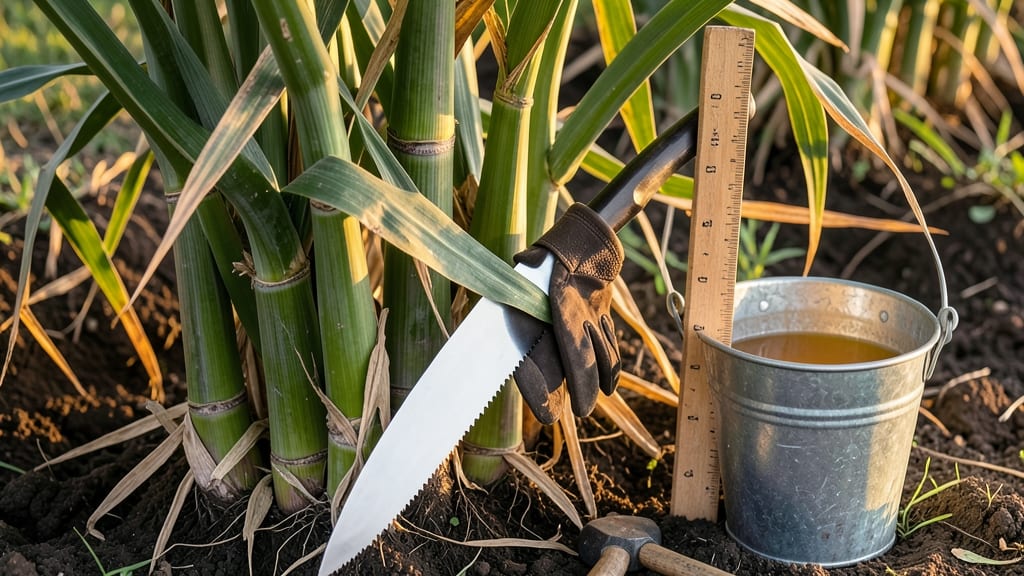
Harvesting sugar cane when the stalks are at their sweetest means waiting for 12-24 months of growth—longer than most gardeners expect, but worth it for that rich, golden juice.
Picture this: you’ve nurtured your 🌾 sugar cane through the seasons, only to wonder, "Is it ready yet?" One wrong cut too early, and you’re left with fibrous stalks and bitter juice.
Too late, and the sweetness fades. The difference between a perfect harvest and a disappointment comes down to three simple tests—each revealing whether your stalks are primed for peak flavor.
In this guide, I’ll walk you through the finger squeeze test, the stalk color shift, and the juice clarity check—the same methods used by small-scale growers to nail the harvest window.
Whether you’re in Zone 10-12 or pushing your luck in 9b+, these tricks ensure you don’t miss the sweet spot.
You’ll also learn how to adjust for your climate, avoid common mistakes that drain sweetness, and even troubleshoot if your stalks aren’t cooperating. By the end, you’ll know exactly when to grab that knife—and how to turn your harvest into syrup, juice, or even homemade candy.

3 Proven sugar cane stalk tests to determine harvest readiness
Knowing when to harvest sugar cane is all about timing—too early and you’ll get watery, underdeveloped stalks, while waiting too long means tough, fibrous growth with reduced sweetness. The good news? Three simple stalk tests can help you pinpoint the perfect moment for maximum juice production and sugar content.
These tests focus on physical maturity, juice clarity, and structural integrity—each revealing critical clues about your sugar cane’s readiness. Whether you’re growing dwarf varieties or towering stalks, these methods work for home gardeners and small-scale farmers alike.
Let’s dive into the details so you can harvest at peak sweetness.
| Test Method | What to Look For | Ready for Harvest? | Best Time to Test |
|---|---|---|---|
| Finger Squeeze Test | Stalk yields slightly but doesn’t snap; feels firm yet pliable | ✅ Yes (1-2 inch diameter) | Morning (cooler temps = firmer stalks) |
| Stalk Color Test | Base leaves turn yellowish-brown; green fades slightly | ✅ Yes (drying at base) | Late afternoon (lighting highlights color shifts) |
| Juice Drop Test | Clear, golden juice flows freely when cut (not milky) | ✅ Yes (high sugar content) | Early morning (freshest juice) |
The finger squeeze test is my go-to first check because it’s quick and non-destructive. Gently press your thumb and forefinger into the stalk—if it yields slightly but doesn’t snap, your sugar cane is likely mature.
Thin stalks (0.5 inches) that feel hard or springy back need more time, while stalks that snap easily may be overripe and woody.
For the stalk color test, focus on the base of the plant. Healthy, harvest-ready sugar cane will show slight yellowing or browning on the lower leaves, while fully green leaves indicate it’s not ready.
This color shift signals the plant is redirecting energy to the stalk, boosting sugar production. Use natural light in the afternoon to spot these subtle changes.
The juice drop test is the ultimate proof of sweetness. Cut a small section of stalk and let the juice drip onto a white surface—clear, golden juice means you’re golden (literally!).
Milky or cloudy juice suggests the sugar hasn’t fully developed, while dark or viscous juice can indicate overmaturity. Test multiple stalks for consistency, especially if you’re growing multiple varieties.
Pro tip: Combine all three tests for 100% accuracy. For example, a stalk that passes the squeeze test but fails the juice drop test might need a few more weeks.
Conversely, a stalk with perfect juice but a woody texture from the squeeze test should be harvested immediately to avoid losing sweetness. Consistency across all three tests guarantees you’re harvesting at peak sugar content.
Timing matters even more in cooler climates (like USDA Zone 9b). Sugar cane grows slower in these areas, so monitor stalks closely during fall months when temperatures drop. Harvest before the first frost—even a light freeze can turn stalks bitter and unusable.
If you’re in a tropical zone, you can harvest year-round, but aim for dry seasons when stalks mature faster.
Once you’ve confirmed readiness, harvest by cutting stalks 1-2 inches above ground level with a sharp knife or pruners. Store harvested stalks in a cool, dark place (like a root cellar) for up to 2 weeks to preserve sweetness. Avoid refrigerating—sugar cane doesn’t like cold storage and can develop off-flavors.
Mastering these tests ensures you’ll always harvest sweet, juicy sugar cane without the guesswork. Start testing stalks 3-4 weeks before your expected harvest window to catch the perfect moment. Happy harvesting—and may your syrup be extra sweet! 🌾✂️
Best time of year to harvest sugar cane by climate Zone
Timing your sugar cane harvest depends entirely on your climate zone. In tropical zones (10-12), you can harvest year-round, while subtropical (9b+) growers should aim for late spring to early fall. Temperate climates with protection may only get one harvest window—typically summer—before frost threatens the crop.
Understanding these seasonal differences ensures you capture the peak sweetness before sugar converts to starch.
Temperature fluctuations play a critical role in sugar content. Cooler nights and warm days (ideal for subtropical zones) maximize sugar production, while extreme heat or frost can ruin the harvest.
In temperate regions, sugar cane often matures faster due to longer daylight hours, but you’ll need to rush harvesting before the first frost. Even a light freeze can turn sweet juice bitter and reduce yields by up to 50%.
| Climate Zone | Best Harvest Window | Key Temperature Cues | Adjustments for Early/Late Harvest |
|---|---|---|---|
| Tropical (10-12) | Year-round (peak: dry season) | 75-90°F days, 65-75°F nights | Harvest when stalks reach 1.5" diameter; avoid rainy seasons |
| Subtropical (9b+) | Late spring to early fall (Apr-Oct) | 65-85°F days, 55-65°F nights | Use row covers for early harvests; stop before 50°F nights |
| Temperate (9a or cooler) | Summer (June-August) | 70-85°F days, 60-70°F nights | Harvest before first frost; extend season with greenhouses |
In tropical climates, focus on the dry season for harvesting—lower humidity means less fungal risk and sweeter stalks. I’ve seen growers in Hawaii and Puerto Rico harvest continuously, but they prioritize stalks that are 1.5 inches thick and show yellowing leaf bases.
If your region has monsoon seasons, delay harvesting until the rains subside to avoid waterlogged soil, which can dilute sugar content.
For subtropical growers in zones like 9b or 10a, late spring (April) is ideal because the warm soil kickstarts rapid growth. However, if you’re in a cooler microclimate (e.g., coastal California), wait until June to avoid chilly nights that stall maturation.
I once grew sugar cane in Zone 9b San Diego and found that harvesting in July-August gave the richest juice—just don’t let temps drop below 55°F at night.
If you’re in a temperate zone like Zone 8 or 9a, treat sugar cane as an annual crop. Plant in spring (March-April) and harvest by late August before the first frost.
I’ve used row covers to extend the season by 2-3 weeks, but even then, sugar content drops sharply after 50°F nights. For a second harvest, try dwarf varieties like ‘Maya Gold,’ which mature faster and tolerate cooler temps better.
Pro tip: If your harvest window shrinks due to early frost, prioritize younger stalks (12-18 months old) over older ones—they’ll have higher sugar concentrations than over-mature plants. Store harvested stalks in a cool, dark place (50-60°F) to slow sugar conversion, and use them within 2 weeks for the best flavor.