
Picking
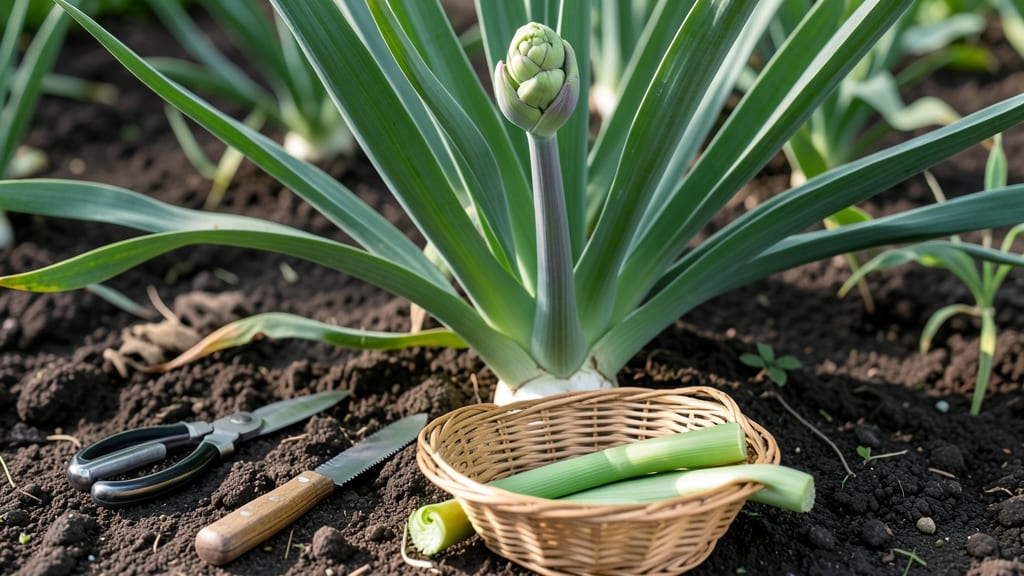
Harvesting garlic scapes at the right time ensures you get the most flavorful stems while keeping your 🧄 plants healthy for bigger bulbs later.
Picture this: you’re about to snip a scape, but it’s still straight and under 8 inches. That’s a missed opportunity—waiting just a few more days could mean the difference between a small harvest and a bounty.
Timing is everything, and getting it wrong means losing both the scape and next year’s garlic.
Most gardeners in USDA Zone 6a should watch for scapes between June and July, but the real secret lies in three visual cues: a loose curl, a firm stem, and a length of 8–12 inches. These signs tell you the perfect moment to cut without hurting the plant.
In this guide, I’ll walk you through how to spot those cues, the best way to harvest without damaging your garlic, and what to do with your scapes once you’ve got them—so nothing goes to waste.

3 Visual signs garlic scapes are ready for harvest (with photos)
Harvesting garlic scapes at the right moment ensures you get the best flavor and protect your garlic bulbs for next season. The key is watching for three foolproof visual cues: the curl pattern, stem thickness, and flower bud development.
These signs tell you exactly when to snip—before the scape straightens or flowers, which weakens your garlic plant.
I’ve harvested scapes for years, and I can’t stress enough how critical these visual clues are. A scape that’s too early tastes milder and won’t store well, while a too-late harvest robs your garlic bulbs of energy.
Let’s break down each sign so you can pick the perfect moment, every time.
Visual learners will love this next part: I’ve created a side-by-side comparison showing what not-ready vs. ready-to-harvest scapes look like. Below, you’ll see the exact differences in curl shape, stem firmness, and bud size that make all the difference.
The curl pattern is your first clue. When the scape forms a loose spiral (like a corkscrew), it’s ready. If it’s still straight or only slightly curved, wait a few days.
I once missed this sign and harvested scapes that were too early—they tasted bland and didn’t store well for even a week.
Next, check the stem thickness. A ready scape should feel firm but flexible—almost like a fresh asparagus spear. If it bends easily or feels mushy, it’s not ready.
Gently squeeze the stem: if it snaps cleanly, it’s perfect for picking. This firmness means the scape has developed enough flavor and nutrients.
Finally, look at the flower bud. At the perfect harvest time, you’ll see a small, closed bud forming at the tip. If the bud is already open or the scape is flowering, you’ve missed the window.
Flowering diverts energy away from your garlic bulbs, so harvesting before this stage is crucial for a bountiful harvest next year.
Pro tip: Harvest in the morning when scapes are crisp. Use clean, sharp shears to cut just above the fourth leaf from the bottom. This preserves the plant’s energy for bulb development.
I always sanitize my tools with rubbing alcohol to prevent disease spread—it’s a small step that pays off big time.
Once you’ve harvested, don’t toss those scapes! They’re packed with flavor and can be used in pesto, stir-fries, or braided for storage. But more on that in the next section. For now, focus on spotting these three signs, and you’ll never miss the perfect harvest window again.
Remember, garlic scapes grow quickly, so check your plants every 2–3 days once they start curling. The sooner you harvest, the more flavorful and tender they’ll be. And trust me, your future garlic bulbs will thank you!
How to harvest garlic scapes without damaging your garlic bulbs
Once your garlic scapes hit the perfect 8–12 inch curl, it’s time to harvest—but the way you cut makes all the difference. A clean, precise snip ensures your garlic bulbs stay healthy for next year’s harvest.
Use sharp, clean pruning shears or a knife to avoid crushing stems or spreading disease.
Start by locating the first visible leaf below the scape’s curl. This is your cutting zone—never go lower than 1 inch above the leaf. Cutting too close risks damaging the plant’s energy flow to the bulb, which could shrink next year’s harvest.
⚠️ WARNING: Avoid These 3 Critical Mistakes ⚠️
After cutting, leave the leaves intact—they’ll continue feeding the bulb. Remove only the scape, and resist the urge to trim leaves unless they’re yellowed or diseased. This simple step keeps your garlic thriving for bigger bulbs next season.
Store harvested scapes in a cool, dry place (like your fridge) for up to 2 weeks. If you notice any soft spots or wilting, use them immediately in recipes or braid them for long-term storage. Never wash scapes before storing—they’ll spoil faster.
For hardneck garlic varieties, post-harvest care is minimal: just water deeply once a week if rainfall is scarce. Softneck garlic, however, benefits from a light potassium-rich fertilizer (like wood ash) to boost bulb development after scape removal.
Pro tip: Mark your harvest date on a calendar. If you’re in USDA Zone 6a, aim for mid-June to early July. Timing this right means you’ll enjoy both flavorful scapes and plump bulbs by late summer. 🌱