
Vegetables
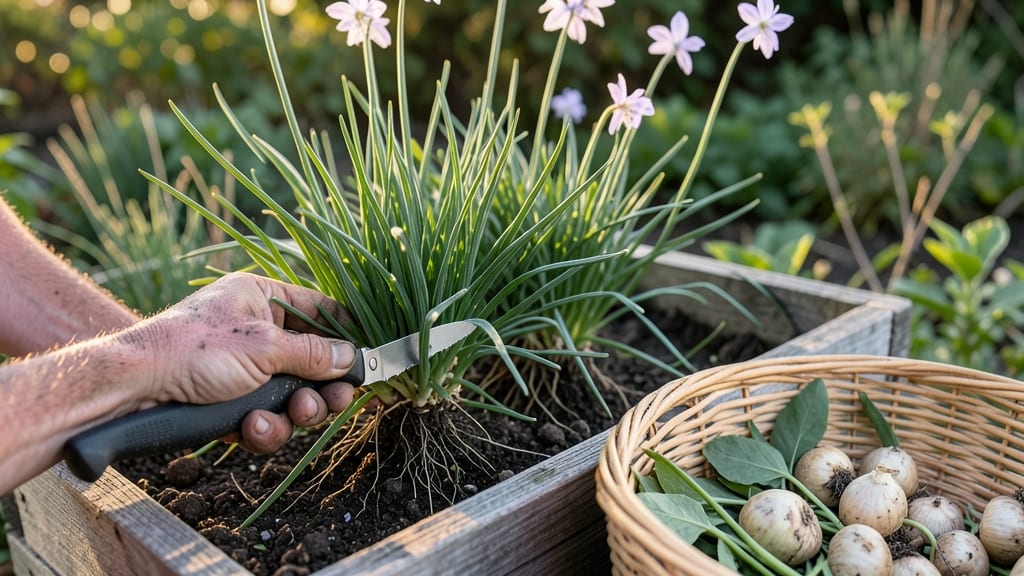
To harvest garlic chives at their peak flavor and regrowth potential, you need to time your cuts just right—before they bolt or lose their punch.
Picture this: you’ve nurtured your garlic chives all season, and now they’re standing tall with those signature flat, grassy blades. But cut them too early, and you’ll get weak, leggy growth. Wait too long, and they’ll flower, sending up those pretty purple blooms—and flavor takes a backseat to seed production.
Spring and summer are your prime windows, but the exact moment matters. I’ll walk you through the visual cues—leaf length, color, and even the plant’s posture—that tell you exactly when to snip for the freshest harvests all season.
Master this, and you’ll enjoy a steady supply of those aromatic greens without sacrificing the plant’s health. Ready to learn the 3-step harvest method that keeps your chives thriving?

When to harvest garlic chives for regrowth without killing the plant
Garlic chives are one of the most forgiving herbs in your garden, but even they need strategic harvesting to keep producing those delicious, onion-like greens all season. The key is cutting at the right growth stages while leaving enough foliage for regrowth.
I’ve learned that timing makes all the difference between a thriving plant and one that struggles to bounce back.
Unlike annual herbs, garlic chives are perennial in zones 4-9, meaning they’ll regrow year after year if treated right. The best time to harvest is when the leaves reach 6-8 inches tall—this ensures the plant still has energy to produce new growth.
If you wait too long, you risk weakening the plant or even killing it if you cut too aggressively.
Spring is the first prime window for harvesting garlic chives. In early spring, the leaves emerge vibrant green and tender, perfect for cutting. Aim to harvest about one-third of the foliage at a time, leaving the lower leaves and central growth point intact. This balance ensures the plant keeps photosynthesizing while still providing you with fresh greens.
By late spring to early summer, garlic chives enter their most vigorous growth phase. This is when you can harvest more frequently—every 3-4 weeks—as long as you never remove more than one-third of the leaves.
Look for bright green, firm leaves with a slight hollow stem when pinched. These are your cues that the plant is ready for another cut.
Don’t overlook fall harvesting, especially in mild climates. Garlic chives can produce new growth until the first frost. In autumn months, the leaves may turn slightly bluish-green but remain tender.
Harvest lightly in fall to encourage strong regrowth next spring, but avoid heavy cuts that could stress the plant before winter.
Here’s a quick visual guide to help you identify the perfect harvest time based on leaf characteristics:
| Season | Leaf Height | Color | Harvest Frequency | Regrowth Notes |
|---|---|---|---|---|
| Early Spring | 4-6 inches | Bright green | Every 4-6 weeks | Light cuts only |
| Late Spring/Early Summer | 6-8 inches | Vibrant green | Every 3-4 weeks | Never remove >1/3 |
| Summer | 8-10 inches | Slightly bluish | Every 4-5 weeks | Water well after cutting |
| Fall | 4-6 inches | Bluish-green | Every 6-8 weeks | Stop by first frost |
One mistake I used to make was harvesting too close to the base of the plant. Always leave at least 2-3 inches of stubble to protect the growth point.
This prevents damage to the crown and ensures the plant can regenerate quickly. Use clean, sharp scissors or pruners to avoid crushing the stems, which can lead to disease.
If your garlic chives start looking leggy or sparse after harvesting, it’s a sign you’ve been cutting too much. In this case, reduce frequency and focus on fertilizing with compost tea to boost recovery. The plant will thank you with lush, flavorful regrowth in just a few weeks.
For the best flavor, harvest garlic chives in the morning after dew has dried. This ensures the leaves are crisp and packed with flavor. Store harvested chives in the fridge for up to 10 days or freeze them in ice cube trays for later use.
With the right harvesting rhythm, your garlic chives will provide continuous harvests from spring through fall.
Remember, garlic chives are low-maintenance but high-reward. A little patience and precision in harvesting will give you a
How to harvest garlic chives for maximum flavor and storage tips
Harvesting garlic chives at the right moment unlocks their boldest garlic flavor—but timing is everything. The younger leaves (3-4 inches tall) pack the most intense aroma, while mature leaves (6+ inches) offer milder, slightly sweeter notes.
I’ve found that cutting in the morning after dew dries preserves flavor better than afternoon harvests, thanks to reduced wilting.
For continuous harvests, focus on the outer leaves first. This method encourages new growth from the center while keeping the plant healthy.
Over time, you’ll train your eye to spot the ideal harvest window: bright green blades with a firm texture and that unmistakable garlic scent when crushed between your fingers.
Harvest Timing & Flavor Impact
✅ Pros of Early Harvest
- Peak flavor (most pungent)
- Encourages new growth
- Prevents bolting (flowering)
❌ Cons of Early Harvest
- Leaves may regrow slowly
- Less storage longevity
- Requires frequent cutting
✅ Pros of Late Harvest
- Milder flavor (sweeter)
- Longer storage life
- Less regrowth stress
❌ Cons of Late Harvest
- Risk of bolting (flowering)
- Weaker aroma intensity
- May stunt future growth
After harvesting, rinse the leaves under cool water to remove dirt, then pat dry with a paper towel. Store them in an airtight container lined with a damp paper towel to maintain moisture.
For short-term use (up to 1 week), keep them in the fridge crisper—this slows wilting while preserving that garlic punch.
For long-term storage, freeze the leaves in ice cube trays with water or olive oil. Pop them out as needed for cooking—no thawing required! Alternatively, dry the leaves by bundling them and hanging upside down in a dark, dry place for 1-2 weeks.
Once fully desiccated, store in glass jars for up to 6 months. The flavor mellows slightly but remains usable.
Pro tip: If your garlic chives start sending up flower stalks, snip them immediately to redirect energy back into leaf growth. This simple step ensures your plant stays productive for multiple harvests per season, even in cooler climates where growth slows.
Remember, the key to flavor retention lies in consistency. Harvest every 2-3 weeks during peak growing months (spring and summer), and your garlic chives will reward you with a steady supply of aromatic greens all season long. 🌱