
How To
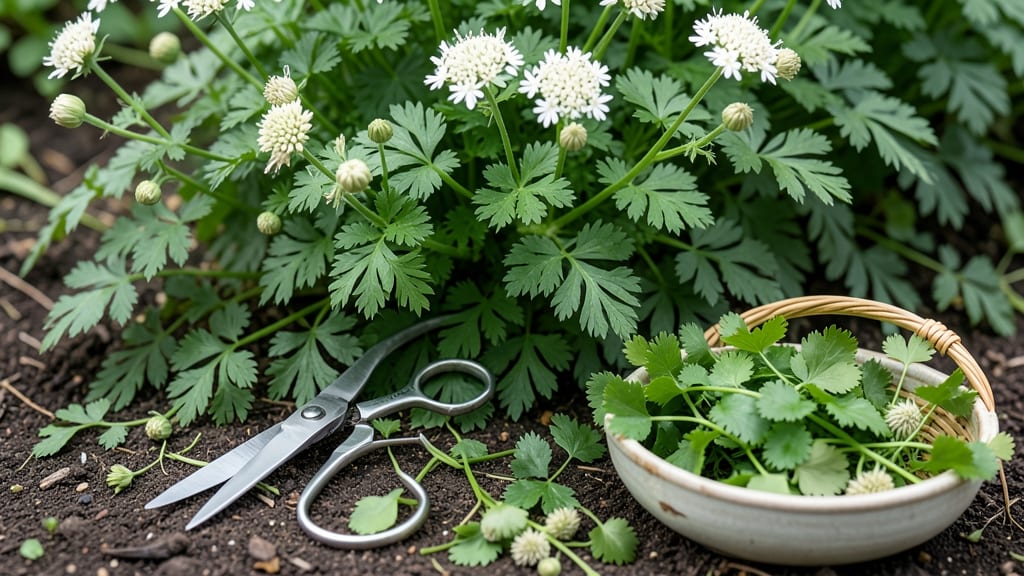
Harvesting coriander 🌿 at the right moment unlocks its brightest flavor and keeps your plants thriving for weeks longer than most gardeners expect.
Picture this: you’ve nurtured your coriander from seed, and now the leaves are lush and ready—but you’re not sure if today is the day to snip. The truth? A single wrong cut can turn a flavorful harvest into a bitter disappointment or even stunt future growth.
I’ve made that mistake (twice), and I’ll show you exactly how to avoid it.
Timing matters more than you think. Harvest leaves when they’re young and tender—about 3-4 inches tall—for the freshest taste, but wait until the stems flower if you’re after seeds.
The key is balance: too early and the flavor is mild; too late and you lose both quality and regrowth potential. Below, I’ll walk you through the step-by-step method that keeps your coriander bushy, productive, and full of flavor.
You’ll also discover how to store your harvest so it stays crisp for days, plus my go-to tricks for reviving bolting plants and extending your coriander’s life cycle well past the typical 60-80 day window. Ready to turn your garden into a flavor factory?

When to harvest coriander for peak flavor and continuous growth
Harvesting coriander at the right moment transforms your garden into a flavor factory. The leaf stage offers the most vibrant taste, while the seed stage provides a completely different harvest. Understanding these stages—and how to encourage regrowth—is the secret to a continuous supply of this versatile herb.
For peak flavor, focus on harvesting young leaves when they reach 3-4 inches tall. This timing ensures tender, bright green foliage packed with citrusy notes. Waiting too long risks bolting, where the plant flowers and loses its leafy appeal.
Let’s break down the science behind timing and how to keep your coriander thriving.
Coriander is a self-regenerating annual, meaning it grows back after harvests if done correctly. Frequent picking encourages bushier growth and extends the harvest window by 4-6 weeks. The key is to avoid cutting more than one-third of the plant at a time, which prevents stress and promotes recovery.
Here’s a quick reference for ideal harvest windows based on your growing conditions:
The leaf stage is where coriander shines for most gardeners. Harvesting outer leaves first allows the inner leaves to mature, ensuring a steady supply. Use clean, sharp scissors or pruning shears to snip leaves just above a leaf node.
This method stimulates new growth from the base, keeping your plant productive.
If you’re growing coriander for seeds, allow the plant to flower and bolt. The seeds form in umbel-shaped clusters and are ready when they turn brown and dry. Harvest seeds by cutting the entire umbel and drying it in a paper bag.
Once dry, rub the seeds free for culinary or planting use. This stage marks the end of the plant’s life cycle, so save seeds for next season’s garden.
Heat and long daylight hours trigger bolting, which can shorten your harvest window. To delay bolting, plant coriander in cool spring or fall conditions and provide partial shade during hot afternoons. Consistent moisture levels also help maintain tender leaves and prevent premature flowering.
For continuous growth, space harvests every 2-3 weeks during the growing season. Avoid over-harvesting, as this stresses the plant. If your coriander starts to look leggy or sparse, trim it back by one-third to encourage bushier regrowth.
This technique works best when combined with regular fertilization and proper watering.
One common mistake is harvesting too aggressively all at once. Instead, pick leaves as needed, leaving at least half the plant intact. This approach ensures your coriander remains productive for 6-8 weeks or longer, depending on your climate.
In cooler regions, you might even get a second harvest in the fall.
Pro tip: If your coriander bolts unexpectedly, don’t despair! The flowers and seeds are edible and add unique flavors to dishes. Simply adjust your harvest strategy to focus on these later stages.
With the right timing and care, your coriander plants will reward you with a flavorful harvest all season long.
Step-by-step guide to harvesting coriander without damaging the plant
Now that you know when to harvest coriander, let’s focus on how to do it without harming your plant. The right technique ensures tender leaves for weeks and prevents that dreaded bolting that turns your herb into a floral disappointment.
I’ve learned the hard way—over-cutting once left me with a sad, leggy plant that never recovered. Here’s exactly how to harvest like a pro.
Your first step is preparing the right tools. Sharp, clean scissors or pruning shears are essential—they create clean cuts that heal faster than ragged tears. Avoid using your fingers or dull knives, as these can crush stems and invite disease.
I keep a small pair of herb scissors by my kitchen garden for quick snips, and they’ve saved my coriander from more than one close call.
- Step 1: Choose the right leaves Select outer leaves first—these are mature enough to harvest but won’t stunt the plant’s growth.
- Step 2: Position your cut Hold the leaf stem at a 45-degree angle, about 1 inch above a leaf node. This encourages new growth from that node.
- Step 3: Make the cut Snip cleanly with one motion—avoid sawing back and forth, which damages the stem.
- Step 4: Leave the center intact Never remove more than one-third of the plant at once. The inner leaves are your plant’s future harvests.
- Step 5: Repeat every 2-3 weeks Space harvests to give your coriander time to regrow. This keeps it productive for 6-8 weeks or longer.
One of the biggest mistakes I’ve seen (and made) is harvesting too much at once. If your coriander looks sparse after cutting, it’s a sign you’ve overdone it. Instead, think of harvesting as a maintenance task, not a one-time event.
For example, if your plant has 12 leaves, harvest only 4 leaves in the first round. This approach keeps your plant lush and encourages bushier regrowth over time.
If your coriander starts to bolt prematurely, don’t panic. You can still salvage it! Trim back the flowering stems to redirect energy into leaf production. For stubborn bolters, try moving the plant to a cooler, shadier spot and increase watering frequency.
I’ve revived bolting coriander this way, extending its leafy life by another 3-4 weeks. The key is acting fast—once seeds form, the plant’s focus shifts permanently to reproduction.
After harvesting, rinse your leaves gently under cool water to remove dirt, then pat them dry with a clean towel. Store them in a sealed container in the fridge for up to 5 days, or freeze them for longer-term use.
Pro tip: Wrap harvested leaves in a damp paper towel before storing to keep them crisp. With these techniques, you’ll enjoy fresh coriander straight from your garden all season long.