
How To
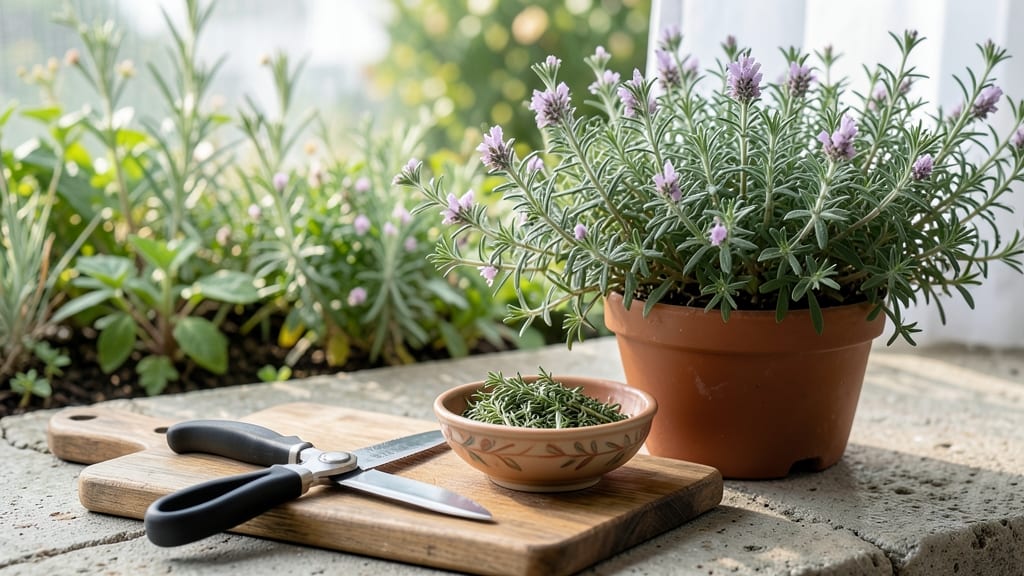
To harvest fresh thyme, snip stems just above a leaf node with clean shears — a simple cut that keeps your plant thriving while packing the most flavor into every sprig.
Harvesting fresh thyme at the right time and in the right way can transform your kitchen with vibrant flavors—while ensuring your plant keeps thriving for months to come. 🌿
Most gardeners make one of two mistakes: either harvesting too early, when the stems are still soft, or waiting too long, letting the plant become woody. The sweet spot is when your thyme reaches 6 inches tall and the leaves are fully developed, emitting that signature aroma when crushed.
In this guide, you’ll learn the exact timing (June through September in most climates), the tools to use, and the pruning technique that encourages bushier, longer-lasting growth. Plus, I’ll share my go-to storage tips so your harvest stays fresh for weeks.

When and how to harvest fresh thyme for maximum flavor and plant health
Harvesting thyme at the right time ensures you get the most aromatic leaves while keeping your plant healthy and productive. The best time to harvest thyme is during the growing season, from late spring through early fall, when the plant is actively growing.
This means you can start harvesting about 60-90 days after planting, depending on your climate and growing conditions.
Thyme thrives in full sun and well-draining soil, which directly impacts its flavor and growth. When the plant reaches at least 6 inches tall and the stems are firm but still flexible, it’s ready for your first harvest.
Look for dense, green leaves that release a strong fragrance when crushed—this is your cue that the flavor is at its peak.
Timing is everything when it comes to harvesting thyme. Avoid harvesting after the first frost or during extreme heat, as these conditions stress the plant and reduce flavor quality. Instead, focus on harvesting in the morning hours when the essential oils are most concentrated. This not only enhances flavor but also gives you a head start on the day’s cooking.
When harvesting thyme, always use clean, sharp pruning shears or scissors to make precise cuts. This prevents damaging the plant and encourages healthier regrowth. Cut the stems just above a leaf node, which is where new growth emerges.
This technique ensures the plant continues to grow bushier and more abundant, rather than leggy or sparse.
Never remove more than one-third of the plant in a single harvest, as this can stress thyme and reduce its ability to recover. If you’re harvesting thyme for culinary use, focus on the outer stems first, leaving the inner growth to keep the plant thriving.
This method also allows you to enjoy a steady supply of fresh thyme throughout the growing season.
For the best flavor, avoid harvesting thyme after it has flowered, as the oils in the leaves shift focus to seed production. If you want to harvest the flowers, do so separately and use them sparingly in dishes where their delicate appearance adds value.
Always store harvested thyme in a paper towel-lined container in the refrigerator to preserve its aroma and freshness for up to two weeks.
If you’re growing thyme in containers, harvesting is even more critical for maintaining plant health. Containers have limited space, so regular pruning encourages compact growth. After each harvest, water the plant lightly to help it recover, especially if you’ve cut back more than usual.
Mulching around the base with organic matter can also help retain moisture and support regrowth.
One of the most common mistakes gardeners make is harvesting thyme too aggressively or at the wrong time. Over-harvesting can lead to woody stems and reduced flavor, while harvesting during dormancy or extreme weather weakens the plant.
By following these guidelines, you’ll ensure your thyme remains vibrant, flavorful, and healthy for years to come.
Pro tip: If your thyme plant starts to look leggy or sparse, it’s a sign you’ve been harvesting too much or not pruning enough. In this case, cut back the entire plant by about one-third to encourage bushier growth.
This rejuvenation pruning is best done in early spring or after a heavy harvest.
Step-by-step thyme harvesting guide: avoid these common mistakes
Now that you know the best time to harvest thyme, let’s dive into the exact steps to follow—plus the mistakes that can ruin your plant or dull its flavor. The key is precision: cutting at the right spot, using the right tools, and knowing when to stop.
I’ve harvested thyme for years, and I’ve learned that over-harvesting and improper cuts are the top culprits behind weak plants and bland flavors.
Start by gathering your tools: a pair of clean, sharp pruning shears (or kitchen scissors in a pinch) and a small bowl to collect your harvest. Avoid using dull tools, as they crush stems and invite disease.
Work in the morning when the essential oils are most potent, and choose a day with clear skies to avoid damp conditions that can promote rot.
Here’s the critical step: never cut above the leaf node. This small bump on the stem is where new growth emerges. If you cut too high, you’ll leave a stub that won’t regrow properly.
Instead, angle your cut just above the node at a 45-degree angle to allow water to run off and prevent rot. This technique also encourages the plant to branch out, giving you a fuller, more productive thyme bush over time.
⚠️ Common Mistake: Harvesting Too Much at Once
Problem: Removing more than one-third of the plant in a single harvest stresses thyme, leading to woody stems and reduced flavor. Over-harvesting also exposes the plant to pests and disease by removing protective foliage.
Solution: Focus on outer stems first, leaving the inner growth intact. If you need more thyme, wait 4-6 weeks before harvesting again. For container-grown thyme, never remove more than 20% of the plant in one session.
Frequency matters just as much as technique. In the prime growing season (June-September), harvest thyme every 4-6 weeks to encourage steady regrowth. During early spring or late fall, reduce harvesting to every 8-10 weeks as the plant slows down.
If you notice your thyme looking leggy or sparse, it’s a sign you’ve been harvesting too aggressively—time for a rejuvenation prune!
Storage is where many gardeners drop the ball. Freshly harvested thyme wilts quickly if not stored properly. Strip the leaves from the stems (if using immediately) or bundle the stems together and wrap them in a paper towel.
Place them in a resealable plastic bag with a few holes punched in it, then store in the crispier drawer of your fridge. This method keeps thyme fresh for 2-3 weeks.
For long-term storage, dry the stems upside down in a dark, well-ventilated area for 1-2 weeks, then strip the leaves and store them in an airtight container away from light.
One final pro tip: If your thyme starts flowering, don’t panic—just adjust your approach. The flowers are edible and add a delicate flavor, but they signal the plant is shifting energy toward seed production.
Harvest the flowering stems first, then trim back the leaves to encourage one last flush of growth before the first frost. With these steps, your thyme will stay productive, flavorful, and healthy for seasons to come.