
How To
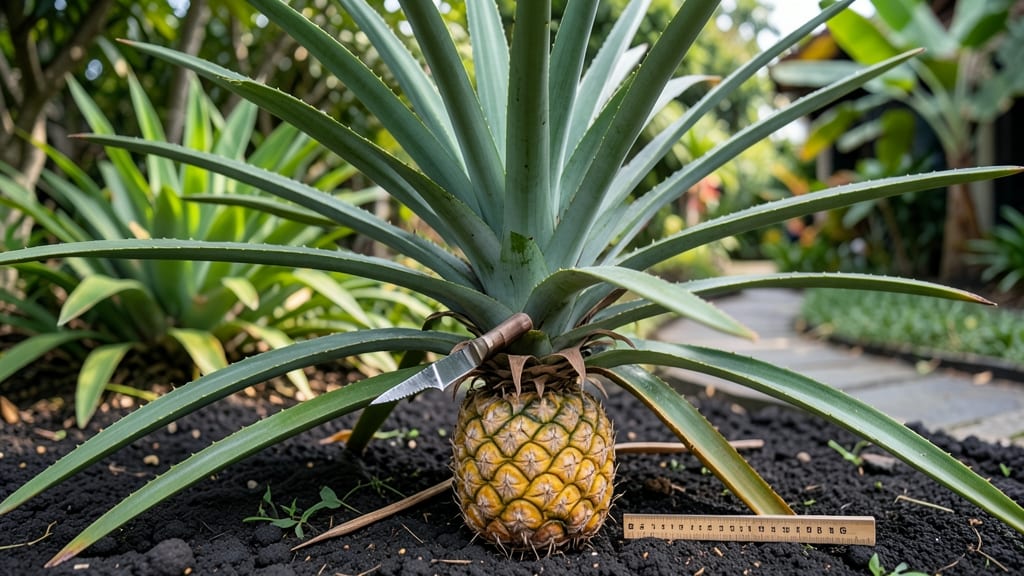
Knowing when to pick a pineapple depends on three simple clues: the base turning golden-yellow, a sweet fragrance at the fruit’s core, and leaves that begin to dry 🍍—but many gardeners miss the best window by waiting too long.
Ever wondered why some pineapples taste sweeter and juicier than others? The secret lies in knowing exactly when to harvest—before the store rushes you into picking them too early. Master these simple visual and scent clues to enjoy the perfect pineapple every time.
If you’re growing your own in General (Tropical/Subtropical) zones or containers, timing is everything. A pineapple ready to pick will feel heavy for its size, with a firm but slightly yielding texture when gently squeezed.
Ignore the green base or lack of scent, and you’ll end up with a mealy, underripe fruit.
Below, I break down the five visual signs of ripeness, the foolproof fragrance test, and how climate affects your harvest window. By the end, you’ll never second-guess when to cut that golden fruit from the plant.

5 Visual signs your pineapple is ripe and ready to pick
Picking a pineapple at the perfect moment transforms it from a bland grocery store fruit to a burst of tropical sweetness in your garden. Unlike store-bought pineapples, homegrown ones ripen slowly over months, and their ripeness is announced through subtle but unmistakable visual cues.
Ignoring these signs means risking a pineapple that’s either too tart or already overripe and mushy.
Most gardeners focus on the base color and leaf changes, but the truth is, a ripe pineapple reveals itself through a combination of 5 key visual signals. These signs work together like a checklist—when you spot 3 or more, it’s time to harvest.
Let’s break down what to look for, starting with the most obvious clue that often gets overlooked.
-
1. Base Color Shift
The bottom of the fruit turns from green to golden-yellow. This is the most reliable sign—think of a ripe banana’s peel, but for pineapples. Avoid harvesting if the base is still green or patchy. -
2. Leaf Browning
The bottom leaves near the fruit start to dry out and brown. These leaves should look crispy, not green. If they’re still vibrant, the pineapple needs more time. -
3. Fruit Weight
A ripe pineapple feels heavy for its size. Lift it gently—if it feels light or spongy, it’s not ready. Think of it like testing a watermelon’s weight at the store. -
4. Leaf Curling
The outer leaves at the top begin to curl inward and dry. This happens as the plant redirects energy to the fruit. Avoid picking if leaves are still straight and green. -
5. Fruit Giving
Gently squeeze the sides of the pineapple. A ripe one yields slightly, like a soft basketball. If it feels hard as a rock, it’s underripe; if it’s mushy, it’s past its prime.
One common mistake I see is gardeners waiting too long for the base to turn fully yellow. While this is the most obvious sign, some varieties develop yellow patches before they’re truly ripe.
Always cross-check with the leaf condition—if the bottom leaves aren’t browning yet, hold off on harvesting.
Another trick is to compare the pineapple to its neighbors. If most of the fruit on your plant shows these signs, it’s a good indicator that yours is ready too. Pineapples ripen unevenly, so don’t assume all fruits on one plant will be ready at the same time.
For container-grown pineapples, these visual cues are even more critical since you can’t rely on soil conditions to speed up ripening. Overwatering can delay color changes, while drought stress might trick you into picking a pineapple too early. Always ensure your plant has consistent moisture but well-draining soil.
If you’re growing pineapples in cooler climates, these signs become even more important because the plant’s natural ripening process slows down. In these cases, supplement visual checks with a scent test (which we’ll cover in the next section) to confirm ripeness.
Once you’ve confirmed all five signs, harvest your pineapple by cutting it 1 inch above the base with a clean knife. Let it sit at room temperature for a few days to fully ripen—this final step unlocks the deepest sweetness.
Pro tip: Take a photo of your pineapple when it’s ripe. Next time you’re unsure, compare it to your reference image. Over time, you’ll train your eye to spot these signs instantly—no more guesswork or disappointing bites!
The fragrance test: how scent reveals pineapple sweetness
A ripe pineapple releases a sweet, tropical fragrance that’s impossible to ignore. This scent isn’t just a bonus—it’s your most reliable ripeness indicator. Unlike visual cues that can be misleading, your nose detects the natural sugars and enzymes that peak at harvest time.
Here’s how to use it like a pro.
Start by sniffing the base of the fruit, where the stem meets the pineapple. A ripe pineapple should smell like concentrated pineapple juice—think sweet, tangy, and slightly floral.
If you catch a whiff of fermented or vinegary notes, it’s overripe. No scent at all? It’s still green and needs more time.
Pro tip: Sniff in the morning when temperatures are cooler. Heat can mask the scent, leading you to underestimate ripeness. If you’re unsure, try the leaf pull test—gently tug one of the bottom leaves. If it comes out easily, the fruit is ready.
⚠️ callout warning- No scent = underripe (not ready to pick)
- Fermented smell = overripe (mealy texture guaranteed)
- Weak scent in heat (wait until cooler hours to test)
Action: Cross-check with the golden-yellow base and heavy weight before cutting.
For container-grown pineapples, the scent test is even more critical since root-bound stress can delay ripening. If your pineapple smells sweet but the base is still green, it may need 1-2 more weeks in full sun. Overwatering can also dilute the scent—let the soil dry slightly between waterings.
Once you confirm the scent, harvest within 24 hours. Pineapples continue ripening slightly after picking, but the sugar peak is fleeting. Store uncut pineapples at room temperature for 2-3 days max to preserve that fresh-from-the-plant flavor.
Remember: A pineapple’s scent is nature’s built-in ripeness alarm. Trust it over guesswork, and you’ll always enjoy that juicy, sweet burst that makes homegrown worth the wait. 🌱