
How To
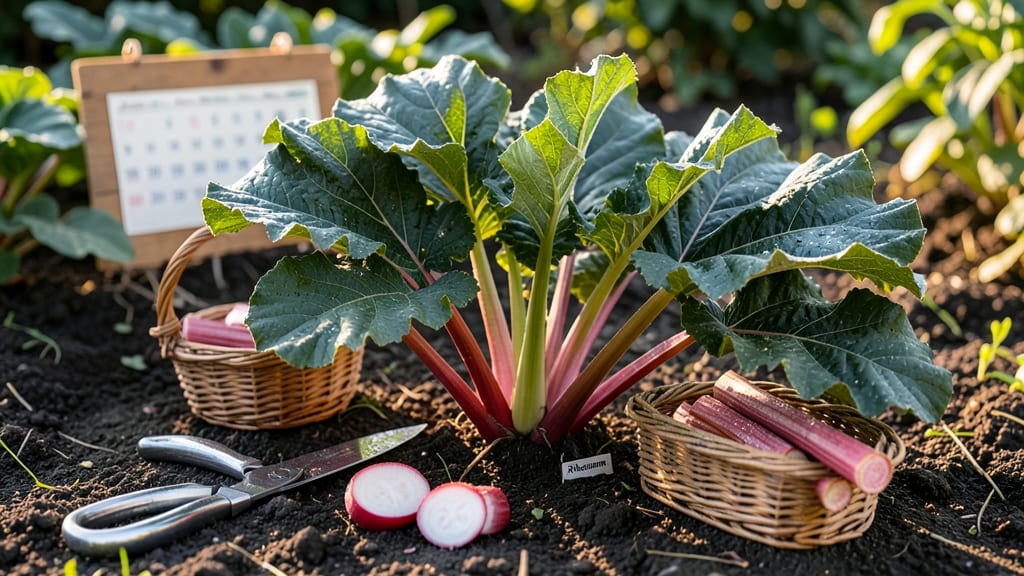
You can harvest rhubarb stalks for up to 10 weeks in a single season once the plant matures, but timing and technique are everything to keep your 🍃 thriving.
Picture this: you’ve just pulled the first crisp, ruby-red stalk of the year, and the excitement is real. But how long can you keep this up before you risk weakening the plant?
The answer depends on when you start, how aggressively you harvest, and whether you’re ready to learn the secrets of sustainable yield.
Most gardeners make the mistake of harvesting too early or too many stalks at once, which can stunt future growth. By following a stalk-by-stalk approach—picking only the largest, most mature stalks—you can extend your harvest window while keeping your rhubarb healthy and productive for years.
In this guide, I’ll walk you through the ideal harvest duration, how to spot signs of over-harvesting, and proven tips to stretch your rhubarb season longer than you ever thought possible.

Optimal rhubarb harvest window: stalk-by-stalk timing for maximum yield
Timing your rhubarb harvest correctly is the key to a long-lasting, productive plant. Most gardeners start harvesting in late spring, but the exact window depends on your climate zone and plant maturity.
In USDA Zone 6, the harvest typically begins in May and can extend through June, with some varieties producing into early July. The goal is to balance yield with plant health, ensuring your rhubarb thrives for years.
For first-year plants, resist the urge to harvest at all—they need all their energy to establish strong roots. In year two, you can begin harvesting select stalks once they reach 10 inches long and 1 inch in diameter.
This selective approach prevents stressing the plant while still rewarding you with fresh stalks. Mature plants (year three and beyond) can yield more aggressively, but even then, moderation is key.
| Stage | Harvest Window | Stalks per Plant | Notes |
|---|---|---|---|
| First Year | None | 0 | Plant focuses on root growth |
| Second Year | Late May - June | 3-5 stalks | Select largest, mature stalks |
| Mature Plants (Year 3+) | May - Early July | 5-10 stalks | Leave at least 3 stalks for regrowth |
| Peak Season | June (6-8 weeks) | Up to 15 stalks | Harvest every 2-3 weeks |
| Late Season | July - August | 2-3 stalks | Reduce harvest to prep for dormancy |
The peak harvest window for rhubarb spans about 6-8 weeks, typically from mid-May to early July. During this time, you can harvest every 2-3 weeks to encourage continuous regrowth.
Always leave at least 3 stalks on mature plants to ensure the plant can replenish its energy stores. Over-harvesting in late summer can weaken the plant, reducing next year’s yield.
To maximize your harvest, focus on selective stalk removal. Never pull more than one-third of the stalks at a time, and always cut stalks at the base with a clean, sharp knife.
Avoid twisting or pulling stalks, as this can damage the crown. The outer stalks are usually the largest and most mature, making them the best candidates for early harvests.
One common misconception is that you can harvest rhubarb all season long. While it’s true that rhubarb is a perennial, pushing the harvest too late—especially after mid-summer
By late July, reduce your harvest to just 2-3 stalks per plant to allow the plant to store energy for next spring’s growth. This careful timing ensures your rhubarb remains productive for decades. For extended harvest seasons, consider planting multiple varieties with staggered maturity dates. For example, ‘Victoria’ matures earlier than ‘Champagne’, allowing you to spread out your harvest over a longer period. Additionally, providing consistent moisture and mulch can help prolong the harvest window by keeping the soil cool and roots healthy. If you’re new to growing rhubarb, start small with one or two plants to practice proper harvest timing. Over time, you’ll learn how your specific climate and soil conditions affect your plant’s growth cycle. Remember, a well-cared-for rhubarb plant can produce harvests for 15+ years, making sustainable practices well worth the effort. Pro tip: Mark your harvest dates on a calendar to track your plant’s progress. This helps you avoid over-harvesting and ensures you don’t miss the optimal window. With patience and care, your rhubarb will reward you with abundant, tart stalks year after year.
Signs you’re over-harvesting rhubarb (and how to avoid plant damage)
Even experienced gardeners can accidentally over-harvest rhubarb, especially when eager for that first tart stalk of the season. The key is recognizing when your plant is sending stress signals—like yellowing leaves or stunted growth—before it’s too late.
I’ve seen firsthand how aggressive harvesting can turn a thriving rhubarb patch into a sad, struggling plant by next spring.
One of the biggest mistakes is harvesting too many stalks at once. A mature rhubarb plant can produce 30-50 stalks per season, but pulling more than 3-5 stalks per week can weaken the plant’s energy reserves.
This is particularly risky in the first 2-3 years after planting, when the crown is still establishing its root system.
Another red flag is harvesting before stalks reach maturity. Immature stalks (under 10 inches long) won’t regrow as vigorously, and forcing early harvests can delay the plant’s ability to store energy for next year’s growth.
I’ve noticed that rhubarb plants harvested too early often produce smaller stalks later in the season, which is a clear sign of over-harvesting.
Max harvest duration: 6-8 weeks per season for mature plants (years 3+).
First-year plants: Harvest only 1-2 stalks total to avoid stress.
Stalk regrowth time: 3-4 weeks between harvests for optimal recovery.
Stop harvesting by: Mid-July to allow energy storage for winter.
Watch for leaf discoloration, particularly if the leaves turn yellow or develop brown edges. This is your plant’s way of saying, “I’m running out of energy!”
Another telltale sign is reduced stalk production—if your rhubarb suddenly stops producing new stalks despite favorable growing conditions, you’ve likely over-harvested. I once had a client whose rhubarb plant produced only 5 stalks total in its second year because they harvested aggressively the first year.
To avoid damaging your rhubarb, always leave at least 3-4 stalks unharvested to ensure the plant can continue photosynthesizing and storing energy. Focus on harvesting the largest, most mature stalks first, as these are the ones that won’t impact the plant’s ability to regrow.
I recommend marking harvested stalks with a small stake so you don’t accidentally pick the same ones again too soon.
If you’ve already over-harvested, don’t panic. Reduce harvesting immediately and focus on watering deeply (1-2 inches per week) and applying a balanced fertilizer (10-10-10) in early summer to help the plant recover.
Mulching with 2-3 inches of organic matter will also protect the crown and improve soil moisture retention. With proper care, your rhubarb can bounce back and produce even better next season.