
How To
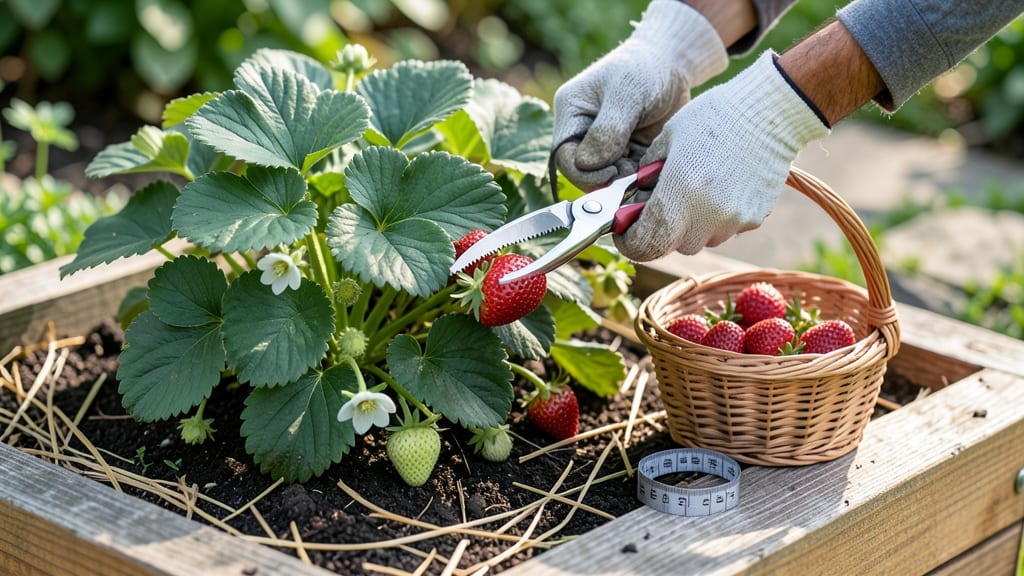
How long does it take to harvest strawberries? The answer depends on the variety—as little as 30 days with the right choice, or up to 90 days if you're growing traditional June-bearing types.
Dreaming of juicy, homegrown strawberries but wondering if the wait will be too long? The good news is that with the right variety and care, you could be harvesting your first strawberries in just 60 days—or as long as a full year, depending on your approach.
Fastest ripening comes from everbearing or day-neutral varieties planted from nursery starts, while June-bearing types need a full growing season. Climate and planting time also play a role: cooler springs delay ripening, while warm soil speeds it up.
Below, I break down the exact timelines for each strawberry type, plus 3 key signs to know when your 🍓 are finally ready for picking.

Strawberry harvest timelines: fastest varieties vs. traditional planting methods
Not all strawberries are created equal when it comes to harvest timing. Some varieties deliver fruit in as little as 30 days, while others take nearly a year to mature.
The key difference lies in the planting method and strawberry type—whether you choose everbearing, day-neutral, or June-bearing varieties. Let’s break down the fastest ways to get strawberries from soil to table.
Your climate zone and soil temperature also play huge roles. In warmer zones (like USDA 8+), you might harvest everbearing varieties twice a year, while cooler zones (USDA 5-7) may only see one June-bearing harvest per season.
Even a 5°F difference in soil temperature can shift your harvest window by 2-4 weeks.
Here’s the game-changer: bare-root plants sprout faster than seeds, and container-grown seedlings outpace traditional nursery plants. If you’re impatient, everbearing varieties like Albion or Seascape are your best bet—they produce fruit 60-90 days after planting, even in cooler climates.
| Variety Type | Planting Method | Fastest Harvest Time | Best For | Climate Zones |
|---|---|---|---|---|
| Everbearing | Bare-root plants | 30–60 days | Containers, small gardens | 5–10 |
| Day-neutral | Container seedlings | 45–75 days | Year-round harvests | 6–11 |
| June-bearing | Nursery plants | 90–365 days | Large gardens, cold climates | 3–7 |
| Seeds | Direct sow | 180–365 days | Patience, heirlooms | All zones |
🌱 Pro Tip: Use black plastic mulch to warm soil and cut harvest time by 10–20 days.
If you’re planting in spring, aim for June-bearing varieties like Chandler or Jewel—they’ll reward you with a single massive harvest in late spring. But if you want continuous fruit, day-neutral varieties like Ostara or Fort Laramie produce berries from early summer to frost.
For fastest results, try everbearing varieties in containers. They thrive in pots and can produce fruit as early as 30 days after planting. Just ensure your containers have drainage holes and use a lightweight potting mix to prevent root rot.
Don’t overlook soil preparation. Amend your soil with compost and aged manure before planting to boost nutrient availability. Strawberries are heavy feeders, and poor soil can delay fruiting by 3–6 weeks.
A simple pH test (aim for 5.5–6.8) will tell you if your soil needs lime or sulfur.
In warmer climates, you can extend harvests by planting fall crops of everbearing varieties. They’ll produce fruit over winter and continue into early spring. Just protect them from freezing temps with row covers or straw mulch.
Timing your harvest is just as critical as planting. Wait until berries are fully colored, plump, and slightly soft to the touch. Pick them in the morning when sugars are highest. Overripe strawberries splatter when picked, so harvest them before birds do!
Ready to speed up your harvest? Start with everbearing varieties in containers, warm your soil with mulch, and plant 4–6 weeks before your last frost
How to speed up strawberry harvest time: proven tips for faster ripening
If you're eager to enjoy homegrown strawberries, the good news is that you can slash your wait time by up to 50% with the right techniques. The key lies in understanding how to manipulate your strawberry plants' environment and care routine to trigger faster growth and fruiting.
Whether you're growing everbearing, day-neutral, or June-bearing varieties, these proven strategies will help you harvest sooner than you think.
One of the fastest ways to accelerate ripening is by ensuring your strawberries receive optimal soil temperatures early in the season. Strawberries thrive when soil temps reach 60°F (15°C) or higher, which encourages root activity and flowering.
If your spring is chilly, consider using black plastic mulch or a low tunnel to warm the soil and jumpstart growth.
- 🌱 Plant at the right time: Transplant June-bearing varieties in late summer (6-8 weeks before first frost) for a spring harvest the following year. Everbearing and day-neutral types can be planted in early spring for summer harvests in just 60 days.
- ☀️ Warm the soil: Use black plastic mulch or straw mulch to raise soil temps by 10-15°F, triggering faster root and flower development. This can cut harvest time by 2-3 weeks.
- ✂️ Prune strategically: Remove old leaves and weak runners to redirect energy to fruit production. Pinch off the first flower cluster on June-bearing plants to delay fruiting until soil is warmer.
Timing your fertilizer applications is another game-changer. Strawberries need a balanced 10-10-10 NPK fertilizer to encourage both foliage and fruit development. Start with a light feeding in early spring to stimulate growth, then switch to a higher-phosphorus fertilizer (like 5-10-10) when flowers appear to boost fruiting.
Avoid over-fertilizing with nitrogen, which can lead to lush leaves but fewer berries.
For everbearing and day-neutral varieties, focus on continuous blooming by keeping plants well-watered and removing spent fruit. These varieties produce fruit in multiple flushes, so consistent care ensures a steady harvest.
In contrast, June-bearing strawberries produce one large crop, so all your efforts should be directed toward maximizing that single harvest window.
Don’t overlook the power of light and spacing. Strawberries need 6+ hours of full sun daily, but they also benefit from proper airflow to prevent disease.
Space plants 12-18 inches apart in rows 24 inches apart to allow for easy maintenance and faster ripening. Overcrowding stresses plants, slowing down fruit development.
To wrap it up, combine these strategies for the fastest results: plant at the optimal time, warm your soil, fertilize wisely, and maintain proper spacing.
With these proven tips, you could be enjoying your first homegrown strawberries in as little as 60 days—or even earlier with everbearing varieties! 🍓