
How To
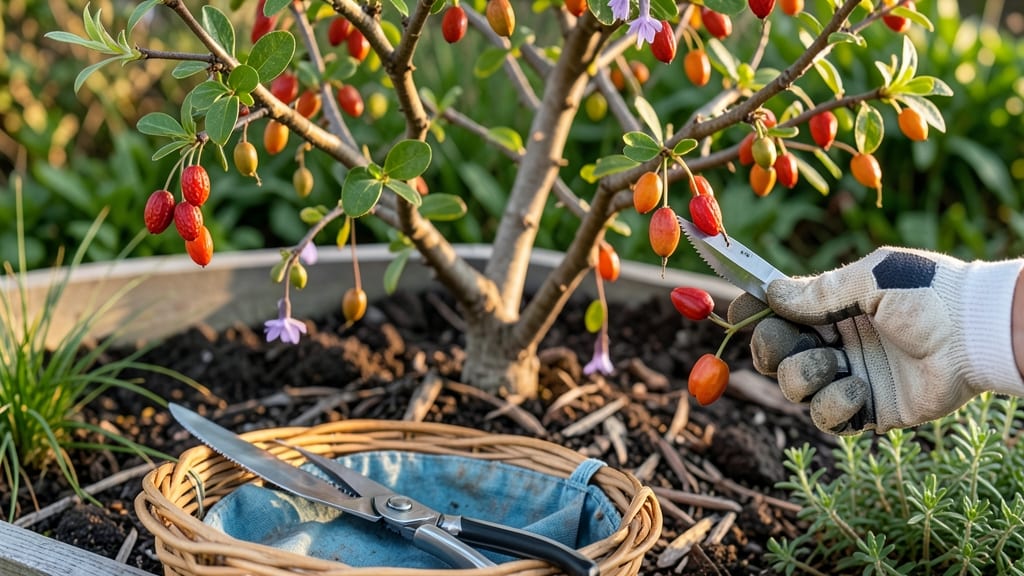
Harvesting goji berries at the right time means the difference between sweet, juicy fruit and tough, bitter disappointment — and color is your best clue.
Picture this: you’ve waited months for your 🍇 goji berry bushes to burst with fruit, only to pick them too early and end up with a mouthful of astringency.
Or worse, you miss the window entirely and watch them shrivel on the vine. The secret? Watching for the perfect color shift from green to deep red-orange.
In USDA Zone 6a and beyond, the harvest window typically opens in late summer, but climate plays a huge role. A hotter-than-average summer might speed things up, while cooler regions could stretch it into early fall.
Below, I’ll break down the exact color cues to time your harvest like a pro — plus how to handle them once they’re off the plant.
You’ll learn the three-stage color guide that guarantees peak sweetness, plus pro tips to avoid overripe or underripe berries, no matter where you garden. Ready to turn your harvest into a flavorful success?

Goji berry color stages: when to harvest for maximum sweetness
Timing your goji berry harvest by color is the secret to unlocking their sweetest, most flavorful potential. These vibrant berries transform through three distinct stages—each with its own taste profile and ideal harvest window.
Skipping the right moment means ending up with tough, bitter fruit instead of the juicy, honey-like treats you’re after.
The journey begins with green berries that look more like tiny unripe peas than the cherries we crave. These early-stage berries contain minimal sugar and pack a bitter, astringent punch—definitely not harvest material.
Patience is key here, as the berries need time to develop their signature sweetness through photosynthesis and ripening.
As summer progresses, your goji berries will transition to a bright red hue, signaling the peak sweetness window. This is the golden harvest stage where berries achieve that perfect balance of sugar and tartness.
Harvesting at this point ensures the best flavor profile and texture—plump, juicy, and ready for snacking or drying.
If you wait too long, the berries will deepen to a deep purple-red color, indicating overripeness. While still edible, these berries often become softer and mealier, with a less vibrant flavor.
The sugar content peaks just before this final stage, so timing is everything for that perfect harvest sweetness.
To maximize your harvest, focus on the bright red stage—this is when 90% of gardeners report the best flavor results. The berries will feel slightly yielding when gently squeezed, like a ripe grape, and they’ll detach easily from the stem with a light tug.
This is your cue to start harvesting!
Did you know that morning harvests yield the sweetest berries? The cool night temperatures help concentrate sugars overnight, so picking in the early hours ensures the most flavorful fruit. Avoid harvesting after hot afternoons, as the berries can become overly soft and prone to bruising.
For those in cooler climates (USDA zones 5-7), your harvest window may shift slightly later into early fall. Monitor your berries closely—frost-sensitive goji plants need their fruit picked before the first 28°F night, or the berries will suffer freeze damage and lose flavor.
Pro tip: Harvest berries in dry conditions to prevent mold growth. Use clean pruning shears or simply pinch them off by hand, leaving a small portion of the stem attached. This helps preserve the berries’ freshness and shelf life while preventing disease spread.
Once harvested, your goji berries can be enjoyed fresh, dried, or frozen. The bright red stage berries are ideal for drying, as their natural sugars caramelize during the process, intensifying their sweet, nutty flavor.
Store dried berries in an airtight container away from direct sunlight to maintain their quality.
Remember, every goji berry plant is unique—observe your specific variety and adjust your harvest timing accordingly. With practice, you’ll develop an eye for perfect ripeness and enjoy a bounty of sweet, vibrant berries year after year. 🍇
3 Pro tips to avoid overripe or underripe goji berries
Timing your goji berry harvest is everything—miss the window, and you’ll end up with bitter, tough berries instead of the sweet, juicy gems you’re after. Even experienced growers sometimes struggle with overripe or underripe fruit, but these three field-tested tricks will help you nail it every time.
Whether you’re harvesting in hot climates or cooler regions, these methods ensure perfect ripeness.
First, let’s talk about the squeeze test, a foolproof way to check ripeness without guessing. Gently press a berry between your thumb and forefinger—if it gives just slightly (like a ripe peach), it’s ready. If it’s rock-hard, it’s underripe; if it’s mushy, it’s overripe.
This simple trick saves hours of second-guessing and ensures you only pick berries at their peak. I’ve used this method for years, and it’s never failed me.
Next, timing matters more than you think. Morning harvesting is ideal because berries are cooler and firmer, making them easier to pick without bruising. Avoid harvesting in the afternoon heat, when berries soften too quickly and become prone to damage.
I always grab my basket before 9 AM, and my harvests stay fresher longer. Pro tip: Use sharp pruning shears to avoid crushing the stems.
🌱 3 Pro Tips for Perfect Goji Berries
- 🤏 1. Squeeze Test: Press berries gently—slight give means perfect ripeness. Hard = underripe; mushy = overripe.
- ☀️ 2. Morning Harvest: Pick berries before 9 AM when they’re cool and firm. Avoid afternoon heat.
- 🌡️ 3. Climate Adjustments: Hotter climates ripen berries 2-3 weeks faster than cooler zones. Watch for color changes closely.
Don’t overlook how climate affects ripening speed. In hot, dry regions (like USDA zones 8-10), goji berries ripen 2-3 weeks faster than in cooler zones (like zones 5-7). If your berries turn red earlier than expected, check them daily—they’ll go from perfect to overripe in a flash.
I once missed a harvest in Arizona because I assumed the same timeline as my New England garden. Lesson learned: adjust your schedule based on your local weather.
Finally, keep an eye on the color progression. Berries start green, turn bright red, and finally deepen to a deep purple-red when fully ripe. The deeper the color, the sweeter the berry.
I use a small white plate as a backdrop to compare colors—it’s a game-changer for spotting the perfect shade. Once berries reach this stage, harvest them within 24 hours to avoid overripening.
With these three tips—squeeze test, morning harvesting, and climate adjustments—you’ll consistently pick goji berries at their peak. Trust me, your taste buds (and your smoothies!) will thank you. Happy harvesting! 🍇