
How To
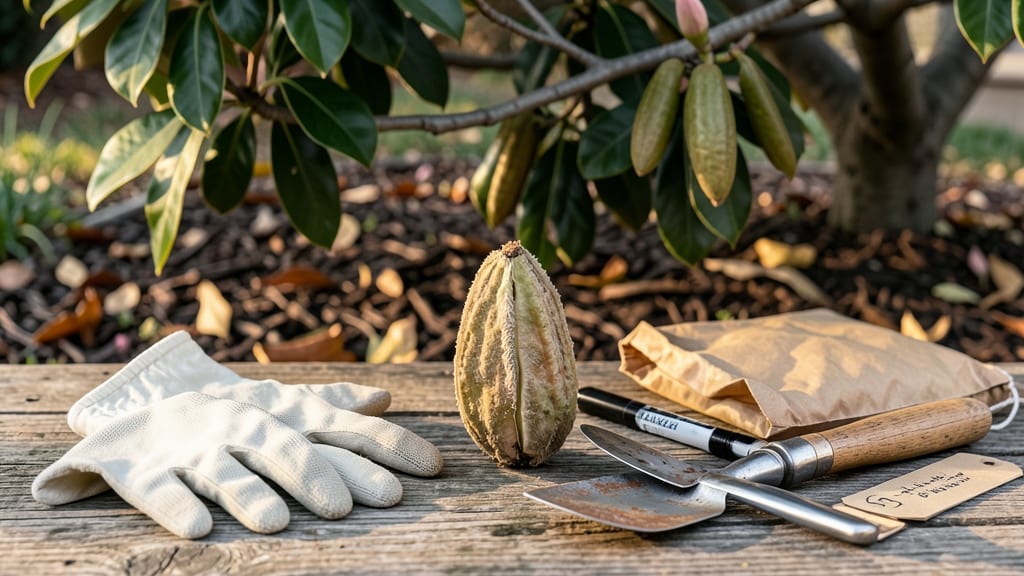
Harvesting magnolia seeds at the right moment turns those dried brown pods into a goldmine for growing your own trees 🌸 — but timing is everything.
Picture this: you’ve spent years admiring your magnolia’s spring blooms, only to realize those same trees could be the start of a whole new generation.
The difference between thriving seedlings and wasted effort often comes down to knowing when those pods are ready — and how to handle them once they crack open.
In this guide, I’ll walk you through the best time to collect magnolia seeds, how to spot ripe pods (hint: they’re brown and splitting on their own), and the step-by-step process for extracting seeds without damaging the tree or the precious cargo inside.
From avoiding moldy seeds to storing them for germination, you’ll learn the key tricks that make all the difference — because even the most patient gardener can’t afford to miss the window.

When to harvest magnolia seeds: identifying the perfect ripeness stage
Harvesting magnolia seeds at the right time ensures high germination rates and healthy seedlings. The key lies in observing seed pod color, texture, and seasonal cues.
If you miss this window, your seeds may not sprout—or worse, attract pests before they're ready. Let's break down how to spot the perfect moment.
Magnolia seed pods typically mature between late summer and early fall, depending on your climate zone. In most regions, this means September through October is your harvest window.
However, cooler climates may extend this period into November. Watch for pods that transition from green to brown and papery—this signals they're nearing readiness.
Here’s a quick visual guide to help you identify the ideal harvest stage:
| Stage | Pod Appearance | Seed Condition | Action |
|---|---|---|---|
| Early (Not Ready) | Green or partially brown | Light-colored, shriveled | Wait 2-4 weeks |
| Mid (Softening) | Brown but still firm | Darkening, slightly plump | Monitor daily |
| Perfect (Ready) | Fully brown and papery | Dark brown, firm, plump | Harvest immediately |
| Late (Overripe) | Cracked open, seeds scattered | Dry, brittle, or moldy | Discard or compost |
Don’t rely solely on color—test pod hardness by gently squeezing a few. If the pod cracks open and releases dark brown, plump seeds, it’s time to harvest.
Seeds should feel firm, not hollow or crumbly. A simple float test also works: Place seeds in water. Viable seeds sink, while empty or damaged ones float.
Timing is critical because magnolia seeds lose viability quickly once pods crack open. If you see seeds spilling onto the ground, harvest immediately—even if pods aren’t fully brown. Pro tip: Use a ladder or pruning shears to reach high pods safely, and wear gloves to avoid sticky sap.
Climate plays a role too. In warmer zones (USDA 8-10), pods may mature earlier (August-September), while cooler zones (USDA 5-7) might see harvests in October-November. Check your local frost dates—harvesting before the first frost ensures seeds aren’t exposed to freezing temperatures, which can kill them.
One common mistake is harvesting too early. Green or partially brown pods rarely yield viable seeds. Patience pays off—wait until at least 70% of pods show the papery brown texture before starting. This consistency reduces the risk of collecting underripe seeds mixed with overripe ones.
Once pods are ready, act fast. Seeds can germinate within 24 hours of exposure to moisture, so store them in a cool, dry place (like a paper bag) until you’re ready to clean and sow.
Avoid plastic bags—they trap moisture and cause mold. With the right timing, you’ll enjoy healthy magnolia saplings in just a few months!
🌰
Step-by-step process for safely collecting and storing magnolia seeds
Harvesting magnolia seeds requires patience and precision to avoid damaging the tree or compromising seed viability. The key is timing—wait until the seed pods turn brown and begin cracking open, usually between late fall and early winter.
Rushing the process can lead to seeds that won’t germinate, while waiting too long risks losing them to wildlife or weather.
Before you begin, gather your essential tools: pruning shears, a bucket, rubber gloves (magnolia sap can stain), a soft brush, and paper towels for drying. Work on a dry, sunny day to minimize moisture-related issues.
Safety first: wear gloves to protect your hands from the sticky sap, which can irritate skin and stain clothing permanently.
- 1 Locate mature seed pods on the tree. Focus on pods that are fully brown and papery, often found near the outer branches where sunlight exposure is highest.
- 2 Use pruning shears to cut pods from the tree, leaving a 1-inch stem attached. Avoid tearing the pod—this can damage the seeds inside. Place pods gently in your bucket.
- 3 Open the pods carefully by squeezing them gently over the bucket. Discard any pods that don’t release seeds easily—they may be underripe or damaged. Wear gloves to avoid sticky sap.
- 4 Remove any debris or chaff from the seeds using a soft brush or sieve. Focus on collecting only the dark brown, plump seeds—these are the most viable for germination.
- 5 Spread seeds on a paper towel in a single layer and place them in a warm, dry location (like a sunny windowsill) for 3-5 days to dry completely. Avoid direct sunlight to prevent overheating.
- 6 Once seeds are completely dry and brittle, transfer them to an airtight container lined with paper towels or silica gel packets. Label the container with the harvest date and store in a cool, dark place (like a fridge).
Storing magnolia seeds properly is critical for maintaining their germination rates. Seeds can remain viable for up to 2 years if stored correctly in a cool, dry environment.
Avoid plastic bags—moisture buildup can cause mold. Test a few seeds after 3 months to check viability before committing to large-scale planting.
If you notice mold or musty smells during storage, discard the seeds immediately. This usually happens when seeds weren’t dried thoroughly or the storage container wasn’t airtight. Always prioritize dryness and cleanliness to maximize your chances of successful germination.
Once stored, plan to sow your magnolia seeds in early spring for the best results. Stratification (a cold treatment) can further improve germination rates, but magnolia seeds often germinate naturally after proper drying and storage.
With patience and care, you’ll soon have new magnolia seedlings ready to thrive in your garden. 🌰