
How To
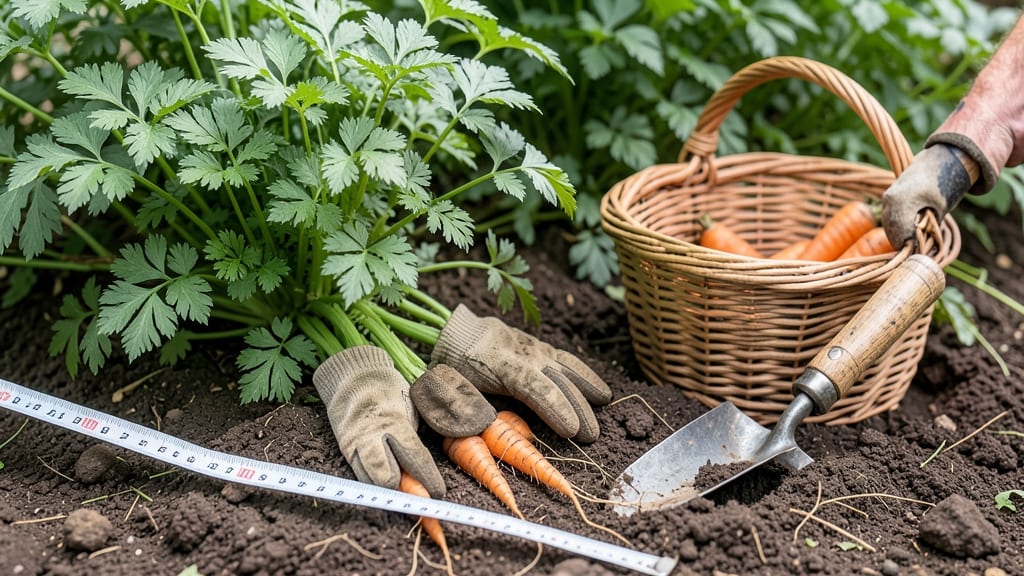
Harvesting carrots from seeds takes about 60 to 80 days for mature roots, but timing can make or break your crop—too soon and you’ll pull tiny, bitter sprouts; too late and they’ll split or bolt.
Picture this: you’ve nurtured your 🥕 seedlings through germination, watching them grow from tiny specks to lush green tops, only to wonder, "Are they ready yet?" The answer lies in the days, soil, and a few telltale signs most gardeners miss.
In this guide, I’ll break down the exact 60-80 day window for full-sized carrots, plus how to spot baby carrots as early as 30-50 days—so you never waste a single seed. Whether you’re planting in spring or fall, you’ll learn the secrets to perfect roots every time.
From soil prep to harvest signals, we’ll cover everything you need to know to pull carrots at their peak—crisp, sweet, and ready for the table.

Carrot seed germination to harvest timeline: day-by-day breakdown
Growing carrots from seed is a rewarding process, but timing is everything. Most varieties take 60-80 days from germination to harvest, but this window can shift based on your soil temperature, sunlight exposure, and watering consistency.
Understanding each growth stage helps you anticipate when those sweet, crisp roots will be ready to pull from the soil.
First, let’s clarify that germination typically takes 7-21 days, depending on soil warmth. Cooler soils slow this process, while temperatures between 60-75°F speed it up. Once sprouted, carrots progress through distinct phases—each with its own care requirements—that lead to harvest-ready roots.
| Stage | Days from Seed | Key Actions | Environmental Needs |
|---|---|---|---|
| Germination | 7-21 | Keep soil moist, maintain 60-75°F soil temp | Warm soil, indirect light |
| Seedling | 14-30 | Thin to 2-3 inches apart, provide full sun | 6+ hours sun, consistent moisture |
| Vegetative Growth | 30-50 | Mulch to retain moisture, fertilize lightly | 6-8 hours sun, 1 inch water/week |
| Root Bulking | 50-70 | Monitor soil moisture, avoid overwatering | Full sun, consistent moisture, cool nights |
| Harvest Ready | 60-80 | Pull when roots are 1-2 inches thick or variety-specific size | Full sun, dry soil for easy harvest |
During the seedling stage (14-30 days), young carrots are vulnerable to drying out. Thin seedlings to 2-3 inches apart to prevent competition, and ensure they receive 6+ hours of sunlight daily.
This is also when you’ll see the first signs of leaf growth, which indicates the roots are developing underground.
By 30-50 days, your carrots enter the vegetative growth phase, where their tops thicken and roots begin to swell. This is the ideal time to apply a light fertilizer (like 5-10-10) to encourage root development.
Mulching with straw helps retain moisture and suppress weeds, which can compete for nutrients.
Between 50-70 days, carrots enter the root bulking phase, where they store energy and grow rapidly. This stage is critical for size and sweetness.
Overwatering now can cause split roots, so monitor soil moisture closely. Aim for 1 inch of water per week, delivered deeply rather than superficially.
If your carrots are planted in spring, they’ll typically reach harvest readiness by late June to July. For fall plantings, expect harvests in October or November, depending on your local frost dates.
Always check for deep color and firm texture—these are your best indicators of readiness.
One common misconception is that all carrots take the same amount of time to mature. In reality, baby carrots can be harvested in as few as 30-50 days, while heirloom varieties may need up to 85 days.
Always check the seed packet for variety-specific timelines to avoid over- or under-maturing your crop.
For container growers, timing can be slightly faster due to warmer soil temperatures in pots. However, compact varieties like 'Paris Market' or 'Little Finger' are ideal for small spaces, as they mature in 50-60 days without requiring deep soil.
Pro tip: If you’re growing carrots in cooler climates, opt for short-day varieties like 'Nantes' or 'Chantenay', which tolerate lower temperatures better than long-day varieties. This can shave 5-10 days off your total growing time.
Finally, remember that consistent care pays off. From the moment
Signs your carrots are ready for harvest (before the 80-Day mark)
Knowing when to harvest your carrots can be tricky, but paying attention to visual and tactile cues helps avoid the common mistakes of underdeveloped roots or over-mature carrots.
Most varieties reach peak flavor and texture between 60-80 days, but the exact timing depends on your growing conditions and whether you're aiming for baby carrots or full-sized roots.
Start by checking the leaf size—healthy carrot tops should be 3-4 inches tall for baby varieties or 6-12 inches for mature roots. The leaves should also be vibrant green, not yellowing or wilting, which signals stress or over-maturity.
This is your first clue that the roots below might be ready.
Harvest Timing Guide
- Baby carrots are sweeter
- Prevents bolting in heat
- Ideal for succession planting
- Smaller, woody texture
- Less storage life
- Lower yield per plant
- Optimal size (6-8 inches)
- Balanced sweetness and crunch
- Longer shelf life
- Risk of root splitting
- Bitter, fibrous texture
- Higher chance of pests/diseases
🌱 Pro Tip: For best results, harvest in the morning when soil is moist but not soggy.
Next, gently brush away soil around the base of the plant to inspect the root shape. The shoulder (top of the root) should be 1-2 inches wide, and the root itself should feel firm to the touch.
If you can easily pierce the skin with your fingernail, it's not ready yet—wait another 7-10 days.
Color is another key indicator: deep orange (or the color of your variety) means maturity, while pale or uneven hues suggest nutrient deficiencies or poor drainage. For heirloom varieties like 'Purple Haze' or 'Danvers', the color will be more vibrant at peak ripeness.
Finally, test the soil resistance by gently tugging on a carrot. If it slips out easily, it’s ready! If it resists, leave it in the ground for another 3-5 days.
Over-mature carrots often split or develop woody cores, so timing is critical. For container gardens, check roots more frequently since space is limited.
Remember, succession planting lets you harvest baby carrots every 2-3 weeks by sowing new seeds every 2 weeks. This ensures a steady supply without waiting for full maturity. Now grab your gloves and enjoy the harvest!