
How To
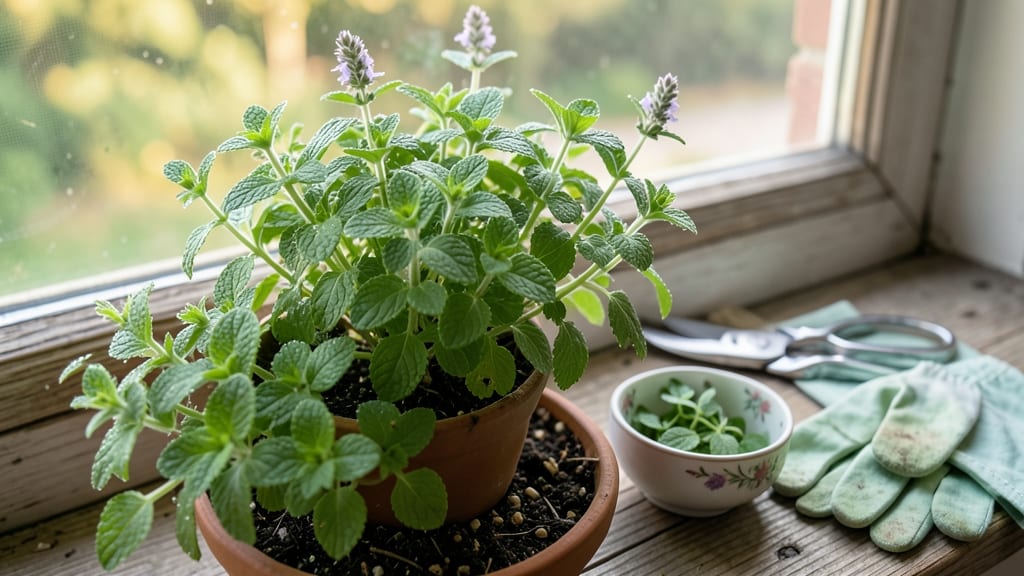
Harvesting spearmint the right way turns your garden into a flavor factory 🌿—and it all starts with knowing when and how to cut for peak freshness.
Picture this: You’ve spent months nurturing your spearmint, only to snip it too late and end up with bitter leaves or a plant that never recovers. That’s why timing is everything—harvesting just before flowering (usually between July and September) locks in that bright, crisp flavor everyone loves.
But it’s not just about the calendar. The best time of day matters too, along with the right tools and cutting techniques to keep your plant thriving. In this guide, I’ll walk you through everything from the ideal harvest window to pruning tricks that boost yield and prevent overgrowth.
Whether you’re drying it for tea, using it in cooking, or just keeping your garden lush, you’ll learn how to get the most out of every harvest—without sacrificing plant health.

When and how to harvest spearmint for maximum flavor and growth
Harvesting spearmint at the right time transforms your garden from a simple herb patch to a flavor powerhouse. The key lies in understanding its growth cycle and harvest window—both critical for preserving that signature cool, sweet minty taste.
Unlike many herbs, spearmint doesn’t just tolerate frequent harvesting; it thrives on it, producing bushier growth when pruned correctly. But timing matters—harvest too early, and you’ll get sparse, weak stems; too late, and the flavor fades as the plant shifts energy to flower production.
I’ve learned through trial and error that the best harvest time is early morning, after the dew has dried but before the sun intensifies. This ensures the oil content in the leaves is at its peak, delivering that bold, crisp flavor we all love.
The ideal harvest window spans from mid-summer to early fall, typically between July and September in most climates. But don’t wait until the plant bolts—those flowering stems signal the end of prime harvest time, and the leaves become bitter.
Visual cues are your best friends when harvesting spearmint. Look for vibrant green leaves that are 2-3 inches long and fully developed, with a strong minty aroma when crushed. The stems should be slightly woody but still flexible, not brittle or hollow. If you see buds forming at the leaf axils, it’s time to harvest before the plant diverts energy to flowering. Pro tip: Harvest every 4-6 weeks during the growing season to encourage dense, bushy regrowth.
| Harvest Stage | Key Characteristics | Best Time to Harvest | Flavor Impact |
|---|---|---|---|
| Early Growth | Leaves 1-2 inches, stems soft | Avoid harvesting; let mature | Weak flavor, sparse yield |
| Prime Harvest | Leaves 2-3 inches, vibrant green, woody but flexible stems | Early morning, July-September | Peak flavor, bold aroma |
| Pre-Flowering | Bud formation at leaf axils | Harvest immediately | Flavor starts to fade |
| Flowering Stage | Visible flower buds, stems hollow | Avoid harvesting; prune flowers | Bitter, weak flavor |
The cutting technique you use also makes a huge difference in both flavor and regrowth. Always use clean, sharp scissors or pruning shears to avoid crushing stems, which can lead to browning or disease.
Cut just above a leaf node or set of leaves—this encourages new growth from that point. Never take more than one-third of the plant at once, or you’ll stress the spearmint and slow down production.
For bushier growth, pinch back the tips of the stems regularly during the growing season.
One of my biggest mistakes was harvesting spearmint afternoon or evening. The essential oils that give spearmint its flavor evaporate quickly in heat, so leaves harvested later in the day lose up to 30% of their aroma.
To preserve flavor, store harvested spearmint immediately in the fridge or freeze it in ice cube trays with water for later use. If you’re drying spearmint, hang bundles upside down in a dark, well-ventilated area for 1-2 weeks until the leaves are crisp and brittle.
Store dried spearmint in airtight containers away from light to maintain potency.
Seasonal timing is another critical factor for a successful spearmint harvest. In USDA Zone 6a, where spearmint thrives, the primary harvest season runs from July through September. However, if you live in a warmer climate, you might extend harvesting into early October.
In cooler regions, spearmint may go dormant earlier, so harvest before the first frost (around mid-October) to avoid losing your crop. Always protect young plants from late spring frosts, as they’re particularly vulnerable during early growth.
Did you know that spearmint’s flavor peaks when harvested just before flowering? This is when the plant has accumulated the most essential oils, making it ideal for culinary and medicinal uses
Spearmint pruning tricks to boost yield and prevent overgrowth
Pruning your spearmint isn’t just about tidying up—it’s the secret to a bushier plant with longer harvest seasons. When done right, regular pruning encourages dense foliage, prevents woody stems, and keeps your minty powerhouse thriving for years. The key? Timing, technique, and knowing when to stop.
I’ve learned the hard way that skipping pruning leads to leggy, sparse plants with weak flavor. But with the right approach, you’ll transform your spearmint into a high-yielding, flavor-packed machine. Let’s dive into the step-by-step pruning tricks that’ll keep your spearmint healthy and productive all season long.
- 🌱 Step 1: Use clean, sharp pruners or scissors to cut just above a leaf node—this encourages new growth.
- 🌿 Step 2: Prune early morning when dew is present to reduce stress on the plant.
- ✂️ Step 3: Remove 1/3 of the plant’s height in spring to promote bushiness.
- 🌳 Step 4: Trim flowering stems immediately to redirect energy into leaf production.
- 💧 Step 5: Water deeply after pruning to help the plant recover faster.
- 🌿 Step 6: Repeat every 4-6 weeks during the growing season for continuous harvests.
Start by gathering your pruning tools. A pair of bypass pruners or sharp scissors is ideal—they make clean cuts that heal faster. Avoid dull tools, as they crush stems and invite disease.
I also keep a small spray bottle of rubbing alcohol handy to disinfect my tools between cuts, especially if my spearmint has had any issues with powdery mildew.
Frequency matters just as much as technique. For spearmint, I prune three times a year: once in early spring to shape the plant, again in mid-summer to encourage regrowth, and a final light trim in late summer to prepare for fall.
This schedule keeps my plants compact and productive while preventing them from becoming overly woody.
If your spearmint has gone leggy or sparse, don’t panic—it’s often an easy fix. Start by cutting back the longest stems by half their length, focusing on the outer growth first. This forces the plant to redirect energy inward, creating a fuller, bushier appearance.
Within a few weeks, you’ll notice new growth sprouting from the base, and your spearmint will look like a lush, vibrant bush again.
One of my favorite tricks is harvest-pruning. Every time I pick leaves for cooking or tea, I snip just above a leaf node or pair of leaves. This small habit encourages the plant to branch out and produce even more foliage.
Plus, it keeps the stems from becoming too woody, which can dull the flavor over time.
Remember, spearmint thrives on attention. Regular pruning not only boosts your yield but also extends the plant’s lifespan. With these tricks, your spearmint will stay healthy, flavorful, and ready for harvest well into the fall season. Happy pruning! ✂️🌿