
How To
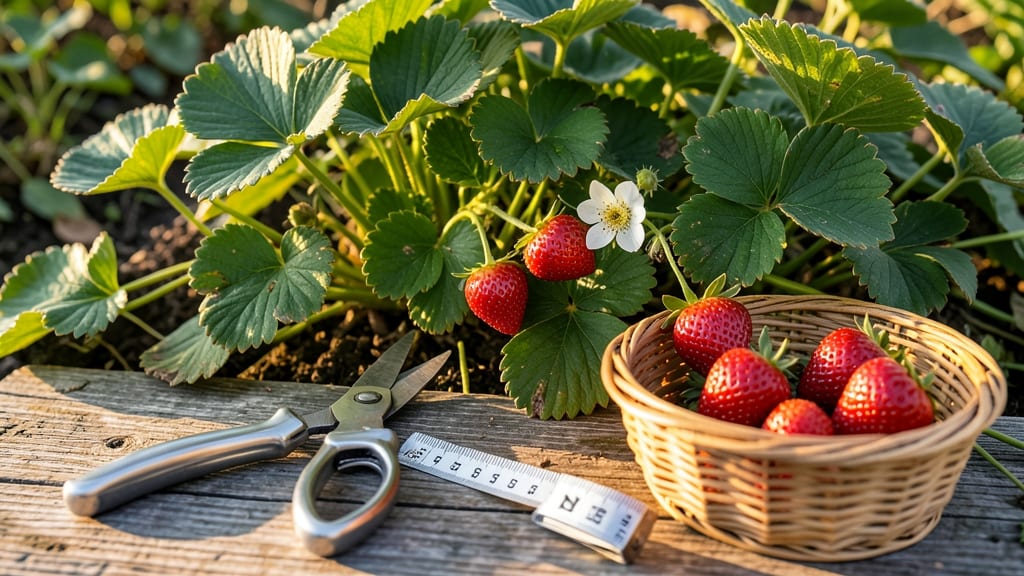
To harvest strawberries at their sweetest, timing is everything — and it takes about 60 to 90 days from flowering to peak ripeness, depending on your variety and climate.
Picking strawberries too early means tart, mealy fruit that’s barely worth the effort. But wait too long, and you’re left with squishy, overripe berries that turn to mush before you even get them to the kitchen.
The difference between a perfect harvest and a disappointing one often comes down to knowing exactly when to pluck them.
Most gardeners rely on color as the first clue: fully red (or yellow, or white, depending on the variety) caps and glossy, vibrant berries signal it’s time. But there’s more to it than just the shade — firmness, size, and even the plant’s behavior play a role.
In Zone 6a, where summer heat can rush the process, these cues become even more critical.
Below, I’ll break down the three simple color tests that guarantee you never miss a harvest again, plus how to adjust for your local climate and variety. No more guessing — just sweet, juicy strawberries every time.

3 Color tests to determine when strawberries are ready for harvest
Nothing beats the excitement of harvesting your own homegrown strawberries, but timing is everything. Picking too early means tart, underripe fruit, while waiting too long risks overripe mushiness.
The good news? Three simple color tests will transform your harvest from guesswork to guaranteed success. Let's dive into the visual cues that signal peak ripeness.
First, focus on the cap color—the green, leafy top that covers the berry. When it starts turning brown or tan, that's your first sign the fruit is maturing. But don't stop there! The fruit color is the next clue.
Fully ripe strawberries develop a deep, even hue—whether that's bright red, golden yellow, or creamy white, depending on the variety. Ignoring these visual cues often leads to missed harvest windows.
Here's where many gardeners go wrong: they assume size alone determines ripeness. A strawberry can be plump but still underripe if the colors aren't right. That's why I always check the stem and leaves too.
When the calyx (the leafy top) begins to dry out and the berry detaches easily with a gentle tug, you've hit the sweet spot. These color and texture changes work together to tell you when your strawberries are truly ready.
🍓
Let's break down the cap color test first. The green cap is your first indicator of ripeness. When it shifts from vibrant green to a dull brown or tan, that's your cue to check the fruit underneath.
This change happens because the plant redirects energy from the cap to the developing berry. If you see green caps on red berries, those strawberries need more time. Pro tip: June-bearing varieties often show this cap change more dramatically than everbearing types.
The fruit color test is where many gardeners focus their attention—and for good reason! A ripe strawberry should be a uniform, deep color throughout. For red varieties like Chandler or Seascape, this means a rich, glossy red. Yellow varieties like Golden Queen should be a bright, even yellow.
White strawberries like White Soul will have a creamy, pale hue. If the color is uneven or pale, the berry isn't ready yet—even if it feels plump.
Don't overlook the stem and leaf test, which is often the most reliable indicator. When strawberries are ripe, the calyx (leafy top) will start to dry out and turn brown. The berry should also detach easily when you give it a gentle tug.
If it resists, it's not ready. This test is especially important for everbearing varieties, which produce fruit in multiple flushes throughout the season. Waiting for the leaves to dry ensures you're picking at peak sweetness.
🌱
Here's a common mistake I see in gardens: picking strawberries based on size alone. A large strawberry might look impressive, but if it's still green-tinged or hard, it won't be sweet. Always combine the three color tests for the most accurate results.
For example, a Chandler strawberry might be big but still have a green cap—wait a few more days. On the flip side, a small berry with a dry cap and deep color is often sweeter than a larger, underripe one.
Seasonal variations also play a role in ripeness. In cooler climates, strawberries might take longer to ripen after flowering, so the color changes will be more gradual. In hotter regions, ripening happens faster, and you might see color shifts in just a few days.
Pay attention to your local climate and adjust your harvesting schedule accordingly. For example, in Zone 7, June-bearing strawberries often ripen in early June, while in Zone 9, they might be ready by late May.
Once you master these three color tests, you'll never second-guess your strawberry harvest again. The key is to check daily during peak harvest season and use all three cues together.
Start with the cap color, confirm with the fruit hue, and finalize with the stem test. This method ensures you're always picking strawberries at their sweetest, juiciest peak.
✂️
How long it takes strawberries to ripen after flowering
Once those white strawberry blossoms appear, you’re counting down to harvest—but the clock doesn’t tick the same for every variety. June-bearing types take the longest, while day-neutral and everbearing varieties can ripen faster, especially in warm climates.
In my Zone 6a garden, I’ve seen June-bearing strawberries take up to 90 days from bloom to harvest, while everbearing varieties often ripen in just 60-70 days.
Environmental factors like sunlight exposure and temperature can drastically speed up or slow down this process. For example, my Albion everbearing plants ripen 10-15 days faster when they get full sun compared to shaded spots.
Meanwhile, cool spring nights can delay ripening by 2-3 weeks for June-bearing varieties like Jewel.
The summary table below breaks down the ripening timeline by variety, plus how to adjust for your local climate. Use it as your guide to plan ahead—because knowing when to expect that first harvest helps you avoid missing out on peak flavor.
| Variety Type | Time to Ripen (Days) | Harvest Window | Climate Notes |
|---|---|---|---|
| June-bearing | 60–90 days | Single harvest (June–July) | Slower in cool climates; heat speeds up ripening |
| Everbearing | 50–70 days | Multiple harvests (May–October) | Faster in warm zones; slower in short seasons |
| Day-neutral | 45–60 days | Continuous harvest (spring–fall) | Best for long growing seasons; heat-tolerant |
If you’re growing June-bearing strawberries, mark your calendar 60-90 days after the first blossoms appear—this is when the main harvest will arrive. For example, if your plants bloom in late April, expect ripe berries by late June to early July.
Meanwhile, everbearing varieties like Seascape reward you with multiple harvests throughout the season, starting as early as 50 days after flowering.
Heat and sunlight are your allies here. My day-neutral Ozark Beauty plants ripen 15 days faster when I provide afternoon shade during 90°F+ days. Conversely, cool springs can stretch the timeline by 2-3 weeks, so don’t rush to harvest—wait for those glossy red caps and plump berries.
Pro tip: If your strawberries are taking longer than expected, check for adequate pollination. Bees and wind do most of the work, but a gentle shake of the plants on calm days can help.
Once you’ve confirmed ripeness with the color and firmness tests, pick in the morning when sugars are highest.
Knowing your variety’s timeline turns guesswork into a predictable harvest. Now you can plan ahead—whether that means prepping jars for jam or simply enjoying fresh strawberries at their peak. 🌱