
How To
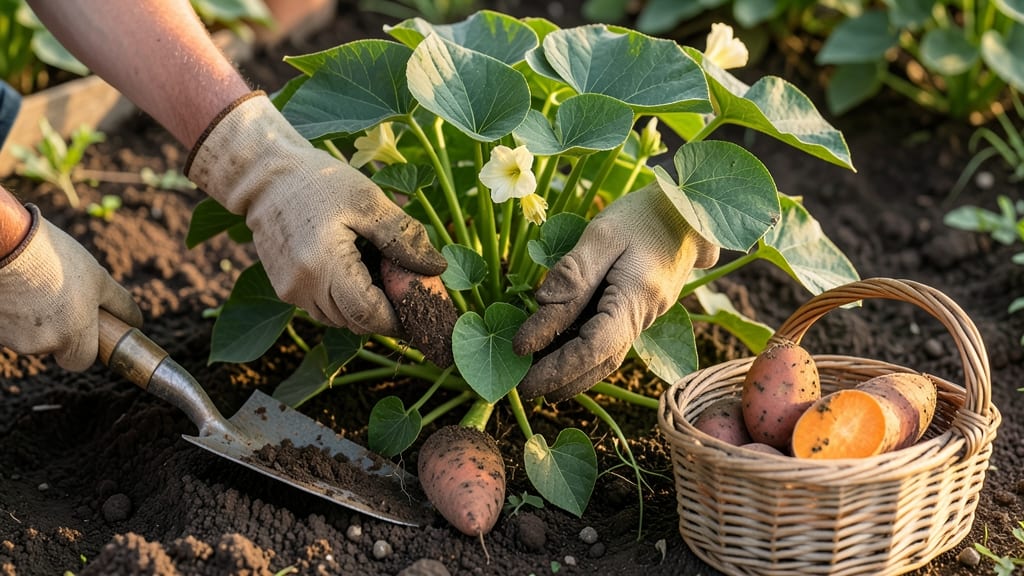
Harvesting sweet potatoes at 90–150 days after planting is the key to unlocking their full, rich flavor—but timing it wrong means tough, starchy tubers instead of the sweet, velvety ones you crave.
Picture this: you’ve nurtured your 🍠 plants all season, only to dig up small, rubbery tubers that taste more like a potato than a sweet potato. Or worse, you wait too long, and they rot in the ground.
The difference between a perfect harvest and a wasted crop often comes down to knowing exactly when to pull them.
Most gardeners rely on days to maturity, but climate, variety, and even soil conditions can shift that window by weeks. Below, I’ll show you how to read your plants’ signals—leaf color, vine health, and tuber firmness—to harvest at peak sweetness, plus how to store them for months without spoilage.
Ready to go from guesswork to perfectly timed harvests? Let’s break down the science (and shortcuts) so you never miss the sweet spot again.

Sweet potato harvest timeline: days to maturity by variety and climate
Sweet potatoes thrive in warm climates, but their harvest timeline varies dramatically based on variety and local growing conditions. While most varieties mature between 75–120 days, cooler climates can stretch this window to 140 days or more.
Understanding these differences ensures you harvest at peak sweetness—never too early (tough, starchy) or too late (rotting in the soil).
Climate plays a starring role in sweet potato ripening. In hot, humid regions like the Deep South, varieties like Beauregard often reach harvest in just 90–100 days. Meanwhile, in temperate zones (USDA Zones 5–7), the same variety may need 110–120 days to fully mature.
Soil temperatures below 65°F slow tuber development, while consistent warmth above 75°F accelerates ripening.
Here’s how to align your harvest with your local climate and chosen variety for perfect results:
| Variety | Days to Maturity (Hot Climate) | Days to Maturity (Temperate Climate) | Soil Temp Threshold (°F) | Harvest Window |
|---|---|---|---|---|
| Beauregard | 90–100 days | 110–120 days | 65°F+ | Late August–October |
| Jewel | 100–110 days | 120–130 days | 60°F+ | September–November |
| Purple | 105–115 days | 130–140 days | 70°F+ | October–December |
| Georgia Jet | 85–95 days | 100–110 days | 68°F+ | Late August–October |
For gardeners in short-season climates (e.g., Northern US or Canada), opt for early-maturing varieties like Georgia Jet or Bonanza, which can reach harvest in as few as 85 days.
These varieties thrive with black plastic mulch to extend the growing season by 2–3 weeks, keeping soil temperatures ideal for tuber development.
In tropical or subtropical zones, where frost is rare, you can plant sweet potatoes year-round. However, avoid harvesting during monsoon seasons, as heavy rains increase soil-borne diseases. Instead, aim for dry, warm periods to maximize storage life post-harvest.
Regional adjustments are key. If you’re in Zone 8 or warmer, you might harvest Beauregard as early as late August, while gardeners in Zone 5 or cooler should wait until late September or October.
Always monitor soil temperatures—tubers won’t develop properly below 65°F, even if days pass.
Pro tip: Use a soil thermometer to track temperatures. Sweet potatoes need consistent warmth to convert starches into sugars. If your soil dips below 60°F for more than a week, growth slows dramatically, extending your harvest timeline by 10–20 days.
One common mistake is assuming days after planting alone determine ripeness. Instead, combine days to maturity with visual cues like yellowing vines and hardened skin.
For example, a Purple sweet potato might hit 105 days in a hot climate, but if the vines are still green, wait another 7–10 days for full sweetness.
Plan your harvest window by back-calculating from your first frost date. In most regions, sweet potatoes need 90–120 days of warm soil, so start planting slips (young plants) 4–6 weeks before your last frost to ensure a timely harvest before cold sets in.
Counting days until harvest is helpful, but sweet potatoes don’t follow a strict schedule. Relying on days alone can lead to underripe tubers (tough and starchy) or overripe tubers (shriveled and stringy). Instead, use these physical ripeness tests to determine when your crop is ready for harvest. These methods work for all varieties, including Beauregard and Jewel, and account for climate variations. Sweet potatoes mature when they’ve converted starches into natural sugars, which happens after vines die back. The key is observing foliage changes, tuber firmness, and skin toughness. Each test builds on the last, giving you confidence in your harvest timing. For example, if your plants are 90 days old but still show green leaves, they’re not ready—even if your neighbor’s crop is being harvested.
Pro Tip: Adjust for your USDA zone—Zone 7+ plants mature faster than Zone 5 crops.
Start with the vine condition test. Healthy sweet potato vines are dark green and vigorous early in the season. As they mature, the leaves will yellow and crisp, eventually dying back completely. This process signals that the plant is redirecting energy to the tubers. If you see 50% of leaves yellowed and wilting, it’s time to start testing for ripeness. Ignoring this sign often leads to premature harvests, where tubers lack sweetness. Next, perform the skin toughness test by gently pressing a thumbnail into the skin of a tuber. If the skin resists puncture and doesn’t dent easily, the tuber is likely ripe. Soft or easily pierced skin means it’s underripe. For this test, dig up a few tubers near the plant’s base—avoid surface tubers, as they may not be fully developed. This method works best in late afternoon when soil is slightly warmer, making the skin easier to assess. Use the ‘finger dig’ test to check tuber size and firmness without damaging the plant. Gently insert your fingers 2–3 inches deep into the soil near the base of the vine. If you feel plump, firm tubers (about the size of a baseball), they’re ready. Small or rubbery tubers need more time. This test also helps you locate tubers for a cleaner harvest later. Repeat this check every 3–5 days as you approach the expected harvest window. Finally, combine all tests for peak sweetness. A ripe sweet potato should have yellowed vines, tough skin, and firm, plump tubers. Harvest on a dry, sunny day to allow soil to dry slightly, making tubers easier to clean. Avoid harvesting after a heavy rain, as wet soil can cause bruising or disease. Once harvested, cure them in a warm (80–85°F), humid (80–90%) space for 10 days to develop full flavor. Remember, sweet potatoes are sensitive to frost. If a light frost threatens before your crop is ready, harvest immediately—even if tubers aren’t perfectly sweet. Store them in a cool, dark place (55–60°F) to slow further ripening. With these tests, you’ll never guess again—just harvest with confidence! 🍠5 Foolproof ripeness tests to harvest sweet potatoes at peak sweetness
📅 How Many Days to Harvest Sweet Potatoes?