
How To
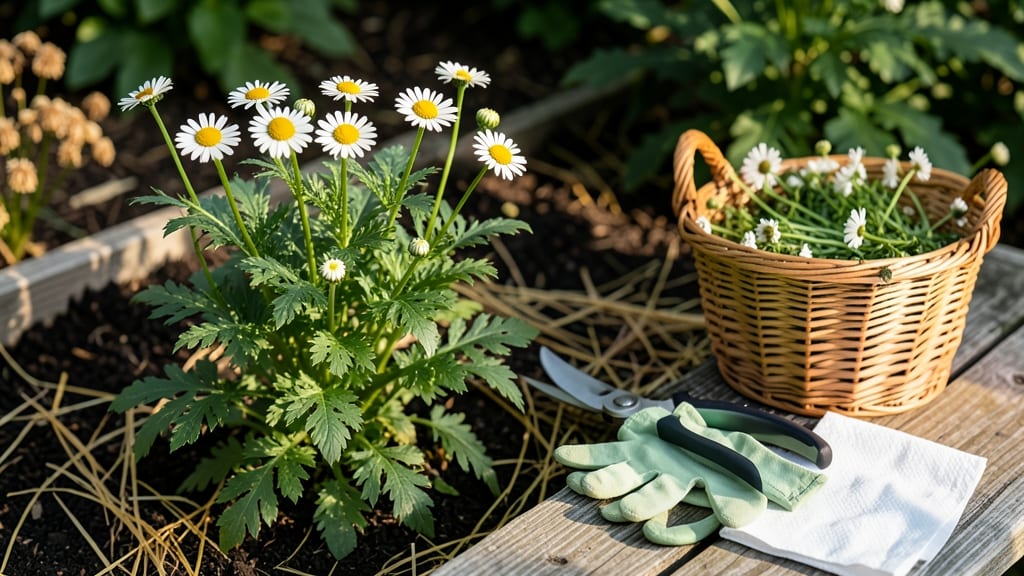
Harvesting chamomile at its peak means capturing the delicate 🌼 flowers when they’re most potent—just before they fully open for the strongest flavor and medicinal benefits.
Picture this: you’ve nurtured your chamomile all season, and now the moment has arrived. But wait too long, and those golden centers turn bitter; harvest too soon, and you miss the full flavor. The difference between a soothing cup of tea and a mediocre one often comes down to timing.
In this guide, I’ll walk you through the exact signs to look for—like fully bloomed but not yet open flowers—and share the best tools and techniques to maximize your yield without damaging the plant.
Whether you’re drying chamomile for tea, using it in remedies, or adding it to culinary dishes, mastering the harvest ensures you get the most out of every plant. Let’s dive in!

When to harvest chamomile for peak flavor and potency
Timing your chamomile harvest is an art that balances flavor intensity with medicinal potency. Chamomile flowers reach their peak when they’re fully bloomed but haven’t yet opened completely—this stage locks in the highest levels of apigenin and bisabolol, compounds responsible for its calming effects.
Harvest too early, and you’ll miss out on full development; too late, and the flowers lose their delicate aroma. Understanding these stages ensures you get the most from every bloom cycle.
The best time to harvest chamomile is on a dry, sunny morning after the dew has evaporated but before the heat of the day sets in. This timing preserves the essential oils that give chamomile its signature scent and therapeutic properties.
Avoid harvesting after rain, as moisture can dilute the potency and encourage mold during drying. For USDA zones 3-10, this typically means harvesting between June and September, aligning with the plant’s natural flowering window.
Weather plays a crucial role in determining the ideal harvest window. Cool, dry days with temperatures between 60°F and 75°F are perfect for harvesting. Humidity above 70% can weaken stems and reduce shelf life, while temperatures above 80°F may cause the flowers to wilt prematurely.
Always check the flower’s moisture level—if petals feel damp, wait for better conditions.
Visual cues are your best guide for knowing when chamomile is ready. Look for fully formed buds that are about to open, with white petals and yellow centers clearly visible. The petals should be slightly curled but not yet flat against the flower head.
If you see fully opened flowers with flat petals, you’ve missed the window—they’ll have less potency and a milder flavor. Pay attention to the stem firmness too; it should be sturdy and upright, not floppy or weak.
For gardeners in cooler climates (zones 3-5), chamomile typically blooms later in the season, often starting in late June and continuing through August. In warmer zones (7-10), the flowering window extends from May to October, giving you a longer harvest period.
Plan your garden layout to stagger plantings if you want a continuous supply—this way, you’ll always have fresh blooms ready for harvesting.
Monthly harvesting calendars can help you stay on track. In June and July, focus on the first flush of flowers, which are often the most potent. By August and September, you’ll see a second wave of blooms, though their potency may be slightly lower.
Always prioritize harvesting in the morning hours to capture the highest concentration of volatile oils, which evaporate quickly in heat. If you’re harvesting for commercial use, aim to collect flowers every 2-3 days during peak bloom to maximize yield.
Weather disruptions can throw off your harvesting schedule. After a heavy rain, wait 24-48 hours before harvesting to allow the plants to dry out. If temperatures drop below 50°F, chamomile growth slows, and flowers may take longer to reach harvest readiness.
In humid climates, consider harvesting slightly earlier in the day to reduce the risk of mold during the drying process. Always monitor your plants closely—chamom
Step-by-step chamomile harvesting techniques for maximum yield
Harvesting chamomile at its peak ensures the most potent flavor and medicinal properties. The key lies in gentle handling and precise timing—never yank flowers from the stem, as this damages the plant and reduces future yields.
I’ve perfected my technique over years of growing chamomile for tea blends, and these steps will help you achieve the same high-quality harvest every time.
Start by choosing the right tools: clean, sharp pruning shears or a small knife for cutting stems cleanly. Avoid using dull tools, as they crush stems and invite disease. For small patches, hand-picking works beautifully—just pinch the stem just above a leaf node to encourage bushier growth.
Whether you’re harvesting for fresh use or drying, the method stays the same, but post-harvest care differs drastically.
Pick flowers when 70-80% open—petals should be fully white with yellow centers but not yet fully unfurled. This ensures maximum apigenin and bisabolol content.
Use sterilized shears to snip stems 1-2 inches above the next set of leaves. This prevents root damage and encourages new growth.
Collect flowers between 8 AM and 10 AM when dew has evaporated but temperatures are still cool. This preserves volatile oils and extends shelf life.
Air-Drying: Hang stems upside-down in a dark, dry space with good airflow (e.g., attic or shed). Dries in 7-10 days.
Dehydrator: Spread flowers on trays at 95°F for 2-3 hours for faster results.
Store dried chamomile in airtight glass jars away from light and moisture. Label with the harvest date—dried chamomile retains potency for 12-18 months.
After harvesting, I always separate the flowers from the stems for easier storage. For fresh chamomile, use within 3-5 days—store in the fridge wrapped in a damp paper towel to maintain moisture. If you’re drying, avoid rushing the process; slow drying at room temperature preserves the most flavor.
I’ve found that German chamomile (Matricaria chamomilla) dries faster than Roman chamomile (Chamaemelum nobile), so adjust your method accordingly.
For beginners, here’s a quick harvesting checklist to follow: ✅ Harvest in morning hours, ✅ Use clean tools, ✅ Cut stems 1-2 inches above leaves, ✅ Dry in a cool, dark space, ✅ Store in airtight containers.
Following these steps guarantees a high-yield, flavorful chamomile harvest every time.
Once dried, your chamomile is ready for use in homemade teas, skincare remedies, or even culinary dishes like soups and salads. The key to consistent success? Patience—rushing any step reduces quality. With these techniques, you’ll transform your garden into a flavor and medicine powerhouse.