
How To
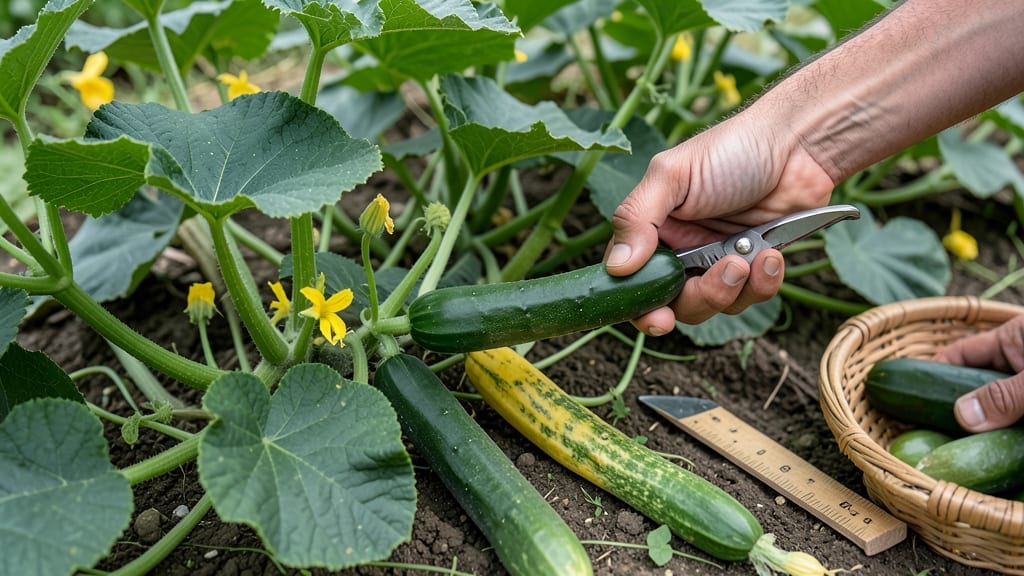
Knowing when to harvest cucumbers means the difference between a crisp, flavorful bite and a bitter, seedy disappointment 🥒 — and the secret lies in three simple tactile tests.
If you’ve ever sliced into a cucumber only to find it woody, overripe, or full of seeds, you’re not alone. The good news? Mastering just a few quick checks—like skin firmness and seed color—can transform your harvest from hit-or-miss to consistently perfect.
This isn’t just about size (though that matters too). The right time to pick depends on texture, color cues, and even how the stem snaps—details most guides skip.
I’ll walk you through each method, so you can harvest at peak freshness, whether you’re growing in a backyard or a balcony container.
By the end, you’ll know exactly when to reach for those cucumbers—before they turn into sad, mealy leftovers. No more guessing, no more waste.

3 Tactile tests to determine perfect cucumber harvest timing
Harvesting cucumbers at the right moment transforms your garden bounty from bland to burstingly fresh. The key lies in three simple tactile tests that reveal ripeness without guesswork.
Whether you're growing seedless slicing varieties like 'Straight Eight' or classic seed-bearing types like 'Lemon Cucumber', these methods work for both greenhouse and outdoor plants. The secret? Combining finger pressure, seed development, and skin texture analysis for foolproof results.
I've learned the hard way that waiting too long turns cucumbers bitter and seedy, while harvesting too early means sacrificing flavor and yield. These tests eliminate the gamble by giving you concrete cues from the plant itself.
Start with the finger pressure test—the most reliable indicator of crispness—then verify with seed color and skin firmness. For container growers, these methods work just as well for patio varieties like 'Bush Champion'.
-
1. Finger Pressure Test
Gently press a cucumber's side with your thumb. Perfect firmness feels like a ripe avocado—yielding slightly but not soft. Overripe cucumbers will dent noticeably, while underripe ones feel rock-hard. -
2. Seed Color Check
Cut open the blossom end. Seedless varieties should have tiny white seeds or none at all. Seed-bearing types need creamy-white seeds (not yellow or brown). Dark seeds mean it's past prime. -
3. Skin Texture Analysis
Run your fingers over the skin. Ready cucumbers have smooth, slightly glossy surfaces. Wrinkled skin signals dehydration, while dull, matte surfaces indicate overripeness. Check for even color too—uneven shading means uneven ripening.
For seedless varieties, the finger pressure test is especially critical since you can't rely on seed development. I've found that 'Sweet Success' performs best when harvested at 6-8 inches long with just a slight give when pressed.
The skin should also have that signature deep green sheen—a sign of proper hydration and ripeness. Remember, seedless cucumbers ripen faster than traditional types, so check them every 2-3 days during peak season.
Seasonal timing matters too. In USDA Zone 6a, my harvest window stretches from late June through September, but I adjust my tactile tests based on heat levels. Hotter days accelerate ripening, so I check cucumbers more frequently in July and August.
Container growers should monitor even more closely since pots dry out faster. The same tests apply, but the skin texture becomes your most reliable cue when container cucumbers mature quickly.
One common mistake I see is confusing maturity with size. Some varieties like 'Boston Pickling' reach perfect flavor at just 3-4 inches, while others like 'Marketmore' need 8-10 inches. Always cross-reference your variety's size guidelines with these tactile tests.
The seed color check is particularly useful for distinguishing between varieties—it's how I know when my 'Armenian cucumbers' are ready to harvest at 12+ inches with white seeds.
Let's talk about the skin texture test in more detail. The ideal cucumber skin should feel like a smooth baseball—no bumps, no wrinkles, just even firmness.
I learned this the hard way with my first 'Corinto' crop; I ignored the wrinkled skin and ended up with cucumbers that tasted like water. Now I check skin texture daily during harvest season.
For container-grown cucumbers, this test becomes even more important since they're more susceptible to uneven watering patterns.
Here's a quick decision flowchart I use: If the cucumber passes all three tests but is still small for its variety, give it 1-2 more days. If it passes two tests but fails one (like slightly yellow seeds), harvest it for quick pickling or cooking.
Never wait if all three tests fail—those cucumbers will turn mealy and bitter within 24 hours. I've saved many a cucumber from the compost bin using this simple rule.
For late-season harvesting, I extend the season by using black plastic mulch to keep soil warm and checking cucumbers every other day.
The tactile tests still apply, but I pay extra attention to the stem snap test—a bonus check where the stem should separate cleanly from the vine. This indicates the cucumber is fully mature and ready for harvest.
Combine this with your three main tests for 100% confidence in your harvest timing.
Remember, these tactile tests work whether you're harvesting from a 20-foot trellis or a 5-gallon container. The principles remain the same—just adjust your frequency based on your growing setup.
With practice, you'll develop an instinct for when cucumbers are perfect, but these tests give you the science-backed foundation to trust. Happy harvesting! 🥒
How cucumber size and variety affect harvest readiness
Not all cucumbers are created equal—and neither are their harvest windows! The size and variety you grow determine when to pick them for peak flavor, texture, and yield. Slicing cucumbers like Marketmore or Straight Eight need different timing than pickling varieties like Boston Pickling or Calypso.
Understanding these differences prevents bitter, seedy disappointments and maximizes your harvest.
For slicing cucumbers, aim for 6–8 inches in length with deep green skin and firm flesh. These varieties thrive when harvested young to avoid woodiness and bitterness. Meanwhile, pickling cucumbers often reach harvest readiness at 2–4 inches—smaller and crunchier for ideal brining.
Leaving them too long on the vine risks tough skin and overdeveloped seeds, ruining their purpose.
Variety-specific traits also dictate harvest timing. Some heirloom cucumbers, like Lemon Cucumber, stay tender longer and can wait until 8–10 inches, while Paraiso Long English types need early picking at 10–12 inches to prevent hollow centers. Always check the seed packet for days to maturity—this gives you a baseline for when to start monitoring size and texture.
| Variety Type | Ideal Harvest Size | Days to Maturity | Harvest Window | Key Cue |
|---|---|---|---|---|
| Slicing (e.g., Marketmore) | 6–8 inches | 50–60 days | Early to mid-season | Firm skin, glossy finish |
| Pickling (e.g., Boston Pickling) | 2–4 inches | 45–55 days | Mid-season | Bumpy skin, bright color |
| Heirloom (e.g., Lemon Cucumber) | 8–10 inches | 60–70 days | Late-season | Thick, waxy skin |
| Long English (e.g., Paraiso) | 10–12 inches | 65–75 days | Peak summer | Straight, smooth shape |
Harvesting at the right size isn’t just about flavor—it’s about yield. When you pick slicing cucumbers too late, the plant diverts energy to seed development instead of producing new fruits. This leads to fewer cucumbers over time.
For pickling varieties, waiting too long means bitterness from cucurbitacin buildup, a natural compound that spikes as cucumbers mature. Always prioritize frequency over size—check vines every 2–3 days during peak season to encourage continuous production.
Seasonal timing also plays a role. Early-season cucumbers (like Diva) may need harvesting as early as 45 days, while late-season varieties (like Sweet Success) can wait until 70 days.
Pay attention to your local last frost date—planting too late in the season can shorten the harvest window, so choose fast-maturing varieties if you’re in a short growing zone. For container growers, smaller pickling types like National Pickling are ideal since they mature quickly and fit compact spaces.
Pro tip: If you’re unsure whether a cucumber is ready, cut it open. Small seeds mean it’s perfect for slicing, while larger, darker seeds signal it’s past its prime. For pickling cucumbers, aim for 1/8-inch seeds or smaller.
When in doubt, harvest early—you can always let a few cucumbers mature for seeds or fermenting, but you can’t un-bittern a cucumber once it’s overripe!