
How To
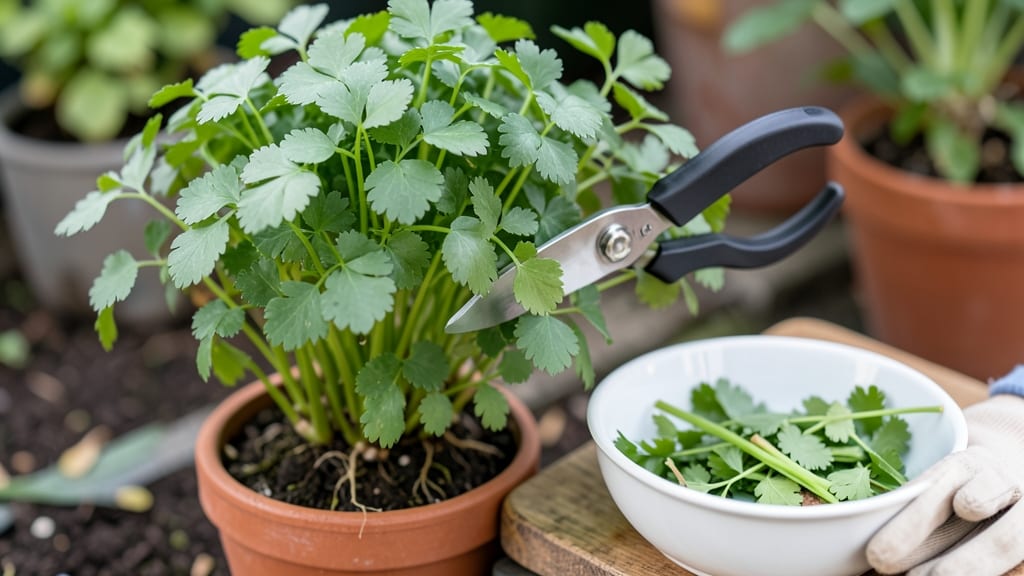
To harvest flat leaf parsley at its peak flavor, focus on timing and technique—cutting too soon or too late ruins the taste and stunts regrowth.
Flat leaf parsley isn’t just a garnish—it’s a flavor powerhouse, and knowing when to harvest makes all the difference between mild and vibrant taste. But how do you tell when your parsley is truly ready? The answer lies in three key visual cues that most gardeners miss—until now.
If you’ve ever snipped parsley only to find it bitter or woody, you’re not alone. The secret to continuous harvests is cutting the right stems at the right time, a trick that keeps your plants productive for months.
Below, I’ll walk you through the exact signs your parsley is ready, the best tools to use, and how to revive it if it starts to bolt.
You’ll also discover how to store your harvest to keep it fresh for up to two weeks, plus common mistakes that turn a thriving plant into a sad, leggy shadow. Ready to turn your parsley patch into a flavor factory?

3 Visual signs your flat leaf parsley is ready for harvesting
Harvesting flat leaf parsley at the right time ensures maximum flavor and prevents the bitter taste that comes from waiting too long. Unlike curly parsley, flat leaf varieties develop a sweeter, more robust flavor when harvested at peak maturity.
The key is watching for these three visual cues that signal your parsley is ready for the kitchen—or the cutting board.
First, pay attention to the leaf size. Mature parsley leaves should be between 3 to 6 inches long, with a broad, flat shape that’s fully unfurled. Smaller leaves mean your parsley still needs time to develop its signature flavor profile.
If you’re harvesting too early, you’ll end up with a milder taste that lacks the depth you crave in dishes like homemade pesto or fresh salads.
Next, examine the stem thickness. Ready-to-harvest parsley stems should feel firm but flexible, not woody or brittle. Thick stems indicate the plant has invested energy into leaf production rather than just growing taller.
If stems are too thin or rubbery, your parsley isn’t mature enough yet—harvesting it now could stunt its growth.
Finally, watch for flower buds. If you notice small yellow or green buds forming at the center of your parsley plant, it’s a clear sign the plant is shifting its energy from leaf production to flowering.
This is called bolting, and once it starts, the leaves will quickly turn bitter. Harvesting just before these buds appear ensures you get the sweetest, most flavorful leaves possible.
One common mistake gardeners make is harvesting parsley too aggressively from the center of the plant. Instead, focus on the outer leaves and stems. These are the most mature and won’t harm the plant’s ability to regrow.
By leaving the inner leaves intact, you encourage the plant to produce more foliage, giving you a continuous harvest throughout the growing season.
Timing your harvest also matters. For the best flavor, aim to harvest parsley in the morning after dew has dried. This ensures the leaves are hydrated and at their peak freshness. Avoid harvesting in the evening, as moisture can lead to faster spoilage.
If you’re growing parsley in containers, be extra gentle—small pots can dry out quickly, and stressed plants produce less flavorful leaves.
If you’re unsure whether your parsley is ready, do a quick taste test. Pinch off a few leaves and taste them raw. Mature parsley should have a bright, slightly peppery flavor.
If it tastes bland or grassy, it’s not ready yet. On the other hand, if it’s overly bitter, you’ve waited too long—time to harvest before the plant bolts completely.
Remember, flat leaf parsley is a biennial, meaning it can regrow for a second year if cared for properly. By harvesting correctly now, you’re setting your plant up for success in future seasons.
Just avoid cutting more than one-third of the plant at once, or you’ll risk shocking the roots and slowing down regrowth.
Now that you know what to look for, grab your sharp pruning shears and start harvesting! With these visual cues in mind, you’ll always know exactly when your parsley is ready for the table—no more guesswork, just flavor-packed leaves every time. Happy harvesting! 🌿✂️
Step-by-step harvesting techniques for maximum yield and regrowth
Now that you’ve identified your flat leaf parsley is ready for harvest, the next step is using the right techniques to maximize yield without damaging the plant. The key difference between topping and trimming lies in how much you remove and where you cut.
Topping involves cutting the entire plant back to encourage bushier regrowth, while trimming focuses on selective harvesting of outer stems to maintain continuous production.
For most home gardeners, trimming is the preferred method because it allows you to harvest small amounts regularly without stressing the plant. Always use clean, sharp pruning shears or scissors to make precise cuts just above a leaf node.
This encourages new growth from that point while preserving the plant’s structure. Avoid tearing leaves or using dull tools, as this can introduce disease and slow down recovery.
Seasonal timing plays a crucial role in maintaining your parsley’s productivity. In spring and early summer, when growth is rapid, you can harvest every 2-3 weeks to keep the plant producing new leaves.
However, as temperatures rise in late summer, parsley may start to bolt prematurely. To prevent this, provide afternoon shade and reduce watering slightly to stress the plant just enough to delay flowering.
If your parsley turns bitter or starts bolting unexpectedly, don’t panic—it can often recover with the right care. First, cut back all flower stems and reduce sunlight exposure. Next, water deeply but less frequently to encourage root growth rather than flowering.
In some cases, you may need to move the plant to a cooler, shadier location to reset its growth cycle. With these adjustments, many parsley plants bounce back within 4-6 weeks, producing fresh, flavorful leaves again.
For container-grown parsley, harvesting requires extra attention. Small pots dry out faster, so always check soil moisture before harvesting. If the soil feels dry, water thoroughly before cutting stems.
Also, avoid harvesting more than one-third of the plant at a time, as container parsley has limited root space and recovers more slowly than in-ground plants. With proper care, your container parsley can provide continuous harvests for up to 6 months or longer.
Remember, the goal is to balance harvests with regrowth. By following these techniques, you’ll enjoy a steady supply of flavorful parsley all season long—no more bitter surprises or wasted plants! With practice, you’ll develop a rhythm that keeps your parsley thriving from spring through fall. Happy harvesting! 🌿✂️