
How To
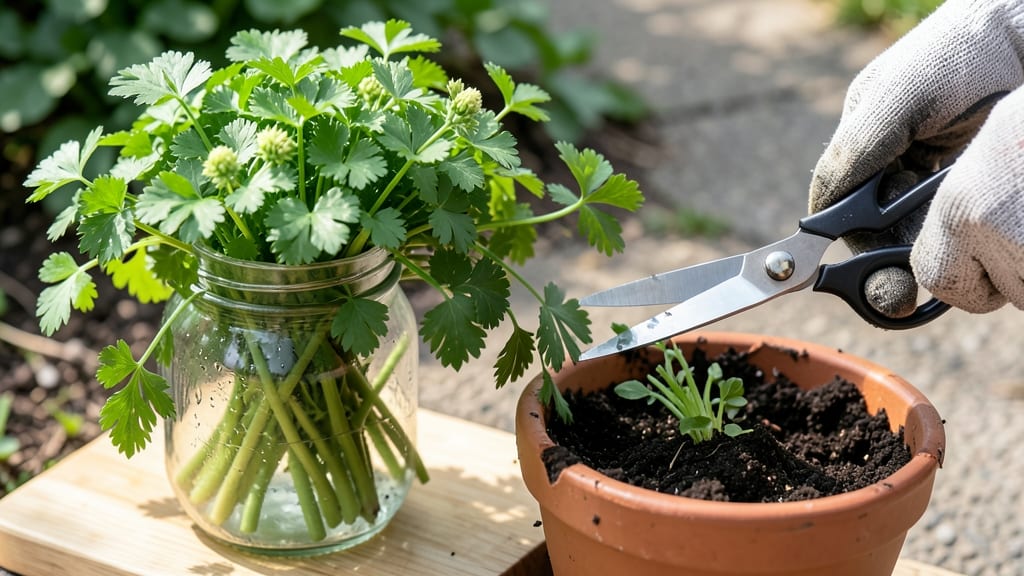
Harvesting parsley the right way ensures you get fresh leaves all season without sacrificing the plant’s health—here’s how to do it without killing your 🌿.
Picture this: you’ve waited months for your parsley to mature, only to snip too much at once and watch it wilt. The key is patience and precision—cutting the right stems at the right time keeps your parsley bushy and productive.
Most gardeners make the mistake of harvesting from the center or cutting stems too close to the base. Instead, focus on the outer stems, leaving the inner growth intact. This simple technique encourages regrowth and keeps your parsley thriving for years.
In this guide, I’ll walk you through the exact steps to harvest parsley sustainably, including when to cut, how often, and how to spot signs your plant is ready for another round. By the end, you’ll have a foolproof method for a continuous parsley harvest.

The correct way to snip parsley stems for maximum regrowth
Parsley thrives when you harvest it the right way. Unlike many herbs, it regrows vigorously if you follow the snip-and-grow method—cutting stems properly encourages bushier, more productive plants. The key lies in where and how you make your cuts, along with timing them right for seasonal growth.
Whether you're growing curly or flat-leaf parsley, these techniques will keep your plants healthy and productive for months.
Most gardeners make the mistake of cutting parsley too close to the base or taking too many leaves at once. This stresses the plant and can stunt regrowth. Instead, focus on selective pruning of outer stems while leaving the inner growth intact.
The goal is to stimulate new side shoots, which create a fuller, more abundant plant. With the right approach, you can harvest parsley every 4-6 weeks without sacrificing its long-term health.
Before you grab your shears, choose the right time of day and season. Early morning is ideal because the stems are hydrated and less likely to wilt after cutting. Avoid harvesting in hot afternoons or during extreme heat waves, as this can shock the plant.
Seasonally, parsley grows best in spring and fall, so time your harvests to align with these periods for the best regrowth results.
Step-by-Step: How to Snip Parsley for Regrowth
- Step 1: Wait for Mature Stems
Choose stems that are at least 4-6 inches tall and have 3-5 mature leaves. These stems are strong enough to regrow without stressing the plant.
- Step 2: Use Clean, Sharp Shears
Dull scissors can crush stems and invite disease. Use bypass pruners or sharp scissors to make clean cuts.
- Step 3: Cut at a 45-Degree Angle
Angle your cut just above a leaf node (where leaves meet the stem). This encourages new shoots to grow from that spot.
- Step 4: Never Cut More Than 1/3 of the Plant
Remove only outer stems and leave the inner growth intact. This prevents over-stressing the root system.
- Step 5: Focus on Thicker Stems First
Prioritize stems that are pencil-thick or thicker. These have more energy stored to regrow quickly.
- Step 6: Harvest in the Morning
Cut stems early in the day when they’re hydrated. This reduces wilting and keeps the plant healthy.
- Step 7: Water and Fertilize After Harvesting
Give the plant 1 cup of water and a light fertilizer (5-10-10) to support regrowth.
One of the most common mistakes is cutting parsley too close to the base. Always leave at least 2 inches of stem above the soil to protect the growth point. This ensures the plant can regenerate new leaves from the remaining stem.
If you cut too low, you risk exposing the root crown, which can lead to rot or slow recovery. Think of it like trimming a hedge—you want to shape the plant without damaging its foundation.
Seasonal timing plays a crucial role in parsley regrowth. In spring, when the plant is actively growing, you can harvest every 4-6 weeks without issue. However, in summer heat, parsley may go dormant or bolt (flower prematurely), so reduce harvesting frequency.
In fall, parsley often produces its best regrowth, especially if you plant it in late summer for a second harvest cycle.
After harvesting, monitor your parsley for signs of new growth, which should appear within 2-3 weeks. If you notice yellowing leaves or stunted growth, your plant may be stressed. This could mean you’re harvesting too frequently or the soil lacks nutrients.
In this case, reduce harvesting and add a balanced fertilizer to encourage recovery. A healthy parsley plant should bounce back quickly with the right care.
For container-grown parsley, follow the same rules but be mindful of root space. Potted parsley may regrow slower due to limited nutrients, so fertilize lightly after each harvest.
If your parsley is in a small container, consider repotting it into a larger pot (at least 12 inches wide) to support bushier growth. This gives the roots more room to expand and recover after pruning.
To maximize your parsley’s lifespan, rotate your harvesting spots. If you always cut from the same side, the plant may grow unevenly. Instead, rotate your cuts around the plant to encourage balanced regrowth.
This also helps prevent disease by improving air circulation. With this approach, your parsley can thrive for multiple years, providing fresh leaves for soups, salads, and garnishes all season long.
Remember, parsley is a biennial herb, meaning it can live for two years if cared for properly. By mastering the snip-and-grow method, you’ll enjoy a continuous supply of fresh parsley without ever sacrificing the plant’s health. Happy harvesting!
Common harvesting mistakes that stunt parsley growth (and how to avoid them)
Even experienced gardeners accidentally stunt their parsley growth with simple harvesting mistakes. Over time, these errors can weaken your plant, reduce leaf production, and even kill it if ignored. The good news? Most issues are easy to fix once you know what to watch for.
Let's dive into the top 5 harvesting mistakes that sabotage parsley regrowth—and how to correct them before it's too late.
First, many gardeners make the fatal error of cutting stems too low near the base. This removes the plant's energy storage and growth points, leaving it struggling to recover. Others harvest too aggressively, taking more than 1/3 of the plant at once, which stresses the roots and delays regrowth.
These small oversights add up, turning your parsley from a thriving perennial into a struggling annual.
🚨
⚠️ How to Harvest Parsley Without Killing the Plant
- Cut stems at a 45° angle above leaf nodes (never below)
- Never remove more than 1/3 of the plant in one harvest
- Harvest outer leaves first to protect the center growth
- Use clean, sharp scissors to avoid damaging stems
- Avoid harvesting in extreme heat or frost periods
These simple steps ensure your parsley stays lush and productive for years.
Another common mistake is harvesting at the wrong time of year. Parsley is a biennial, meaning it grows leaves in its first year and flowers in its second. Cutting back heavily in late summer or fall can trigger premature bolting—the plant's unwanted flowering and seed production.
This shift in energy from leaves to flowers leaves you with bitter, woody stems instead of tender greens.
Seasonal timing also affects regrowth speed. In spring and fall, when temperatures are mild, parsley recovers quickly from harvesting. But during summer heat waves, the plant struggles to bounce back. If you notice yellowing leaves or stunted growth after harvesting in summer, your parsley is signaling stress.
The solution? Lighten up on harvesting during peak heat and focus on keeping the soil moist and shaded.
Many gardeners also overlook the importance of proper cutting techniques. Using dull shears or pulling leaves by hand can damage stems and invite pests or disease. Always use clean, sharp pruning shears and make cuts at a 45° angle above a leaf node.
This angle helps water run off the cut, reducing rot risk. Additionally, avoid harvesting in the afternoon when the plant is water-stressed, as this increases the chance of shock.
Finally, some gardeners mistakenly believe parsley is indestructible and harvest it year-round. While parsley is hardy, it does go dormant in winter. Harvesting during frost or extreme cold weakens the plant's ability to regrow in spring.
Instead, focus on harvesting in early spring and late fall when the plant is actively growing. In winter, let your parsley rest—it's storing energy underground for next year's growth.
By avoiding these five common mistakes, your parsley will reward you with bushier growth, longer harvest seasons, and healthier leaves all year. The key is patience and precision—small adjustments in your harvesting habits can transform a struggling parsley plant into a thriving kitchen staple.
Start with these fixes, and you'll enjoy fresh parsley for years to come! ✂️