
How To
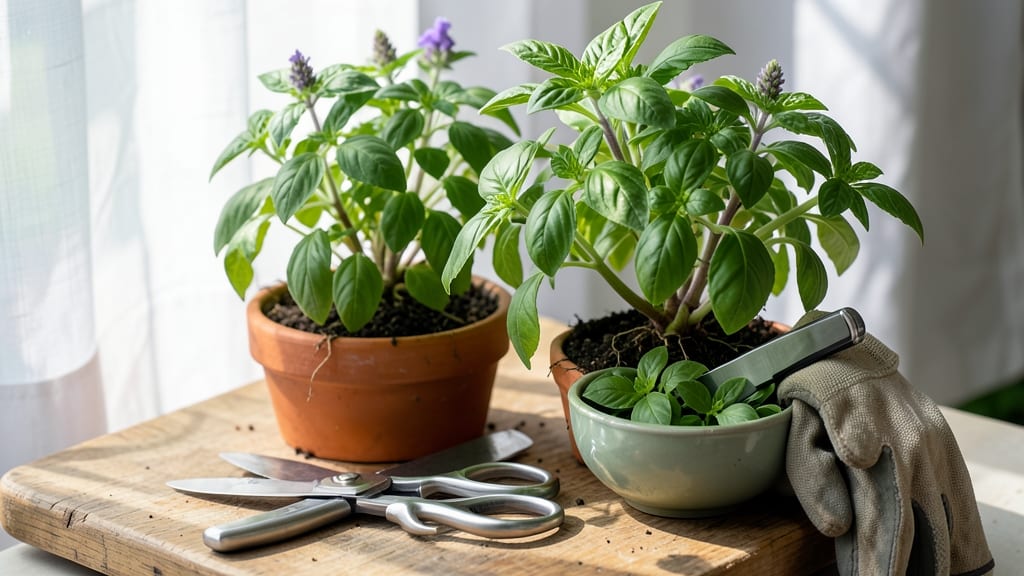
To harvest fresh basil properly means pinching leaves just above a pair of healthy ones—this keeps your plant thriving while giving you the most flavorful stems for cooking.
Picture this: you’ve nurtured your 🌿 basil all season, and now it’s time to reap the rewards. But harvest too much, too soon, and you’ll stunt its growth. Get it right, though, and you’ll enjoy a bountiful plant that keeps producing all summer long.
Timing is everything—wait until your basil has at least four to six true leaves, and always snip in the morning when oils are at their peak.
I’ve learned the hard way that cutting too aggressively or at the wrong time can leave you with sparse, bitter leaves instead of the vibrant, fragrant herb you’re craving.
In this guide, I’ll walk you through the exact steps to harvest basil like a pro, from choosing the right leaves to storing your bounty so it stays fresh for weeks. Ready to turn your kitchen into a basil powerhouse?

When to harvest basil for peak flavor and plant health
Timing your basil harvest correctly ensures you get the brightest flavor while keeping your plant healthy and productive. Unlike many herbs, basil thrives when harvested at just the right moment—too early, and you miss peak flavor; too late, and you risk stunted growth.
The key lies in understanding both visual cues and seasonal factors that signal readiness.
First, focus on the morning hours for harvesting. Basil leaves contain the highest concentration of essential oils—which contribute to its signature flavor—right after a night of photosynthesis.
Harvesting in the morning means you’ll capture that fresh, vibrant taste. Plus, the dew-free conditions reduce the risk of spreading fungal diseases through wet foliage.
Now, let’s talk plant maturity. Basil is ready for harvest when it reaches a specific growth stage: typically 4-6 weeks after planting, once it has developed 4-6 true leaves. At this point, the leaves will be 2-3 inches long, deep green, and glossy.
If you pinch off just the top set of leaves, you encourage the plant to branch out, creating a bushier, more productive basil plant.
- 1 Leaf Size: Harvest when leaves are 2-3 inches long and fully developed. Smaller leaves are less flavorful and may not be ready for harvest.
- 2 Leaf Color: Look for deep green, glossy leaves. Yellowish or pale leaves indicate stress or immaturity.
- 3 Aroma Test: Crush a leaf between your fingers. A strong, sweet aroma means it’s ready; weak or no scent means wait a few more days.
- 4 Stem Firmness: Stems should be firm but not woody. Woody stems indicate the plant is past its prime for harvesting.
- 5 Plant Height: Basil should be 6-12 inches tall before heavy harvesting. Taller stems may signal legginess, which can reduce flavor.
Seasonal timing also plays a crucial role. In USDA zones 9-11, basil grows year-round, so you can harvest continuously. However, in cooler climates, the growing season typically runs from late spring to early fall.
Start harvesting in June once the plant is established, and continue until the first frost threatens. If you’re in a region with mild winters, you might even extend your harvest into October or November.
One common mistake is harvesting too much at once. Never remove more than one-third of the plant in a single session. Over-harvesting stresses the basil, leading to leggy growth or even flower production—both of which reduce flavor and productivity.
Instead, focus on regular, light harvesting to maintain a steady supply of fresh, flavorful leaves.
Pay attention to the flower buds as well. If your basil starts producing flowers, it’s a sign the plant is maturing and flavor will decline. To prevent flowering, pinch off any buds as soon as you see them.
This redirects the plant’s energy back into leaf production, keeping your basil lush and flavorful for longer.
For container-grown basil, timing is equally important. Potted plants often grow faster due to consistent moisture and nutrients, so monitor their growth closely. Harvest container basil when it reaches half its mature height (around 6-8 inches) to encourage bushier growth.
Just like in-ground basil, avoid harvesting more than one-third at a time to prevent stress.
Finally, consider the time of day for your harvest. While morning is ideal, you can also harvest in the late afternoon if mornings aren’t convenient. Just avoid harvesting in the evening, as the leaves may be damp from dew, increasing the risk of fungal issues.
Always use clean, sharp scissors or pruners to make clean cuts just above a leaf node.
By mastering these timing and technique tips, you’ll enjoy a steady supply of flavorful basil all season long—without sacrificing your plant’s health or productivity. Happy harvesting! 🌿
Step-by-step basil harvesting techniques for beginners
Harvesting basil correctly ensures your plant stays lush and your homegrown herb tastes fresher than store-bought. The key is using the right techniques—whether you're pinching new growth or cutting stems—and knowing when to stop.
Overdoing it can stress your basil, while gentle harvesting encourages bushier, more flavorful regrowth. Let’s break down the foolproof methods that work for both container-grown and garden basil.
Before you begin, gather your tools: a pair of sharp scissors or clean pruners (to avoid crushing stems), a small bowl for clippings, and a spray bottle with water (to keep leaves fresh). Avoid using your fingers—pinching can damage tender stems.
The goal is to harvest 1/3 of the plant at a time, leaving enough foliage to support photosynthesis. This balance keeps your basil thriving while giving you a steady supply of leaves for cooking or drying.
- Step 1: Wait until your basil has 4-6 true leaves and stems are 3-4 inches tall. Harvesting too early stunts growth.
- Step 2: Choose a morning harvest when leaves are dry and fragrant. Avoid harvesting after rain or late in the day.
- Step 3: Use sharp scissors to cut above a leaf node (the point where leaves meet the stem). This encourages new branches to grow.
- Step 4: For individual leaves, pinch them off just above the next set of leaves. Never pull leaves—this tears stems.
- Step 5: Harvest no more than 1/3 of the plant at once. Over-harvesting weakens the plant and reduces flavor.
- Step 6: Rinse leaves in cool water and pat dry with a paper towel. Store in a sealed container in the fridge for up to 5-7 days.
One of the most common mistakes beginners make is cutting the main stem instead of harvesting leaves. This can kill your plant if done repeatedly. Instead, focus on side stems and leaf pairs.
For example, if you see a stem with two sets of leaves, cut just above the lower pair. This leaves a growth node intact, prompting the plant to branch out and produce more leaves. Think of it as giving your basil a haircut that encourages regrowth.
If your basil starts to look woody or leggy, it’s a sign you’ve been harvesting too much or not enough. In this case, trim back the longest stems to encourage bushier growth.
Avoid harvesting flowers unless you want to save seeds—flowering basil tastes bitter and diverts energy from leaf production. For the best flavor, always harvest in the morning when essential oils are at their peak.
Store your clippings in a sealed container with a paper towel to absorb moisture and keep them fresh longer.
Pro tip: Use a small spray bottle to mist your basil after harvesting. This mimics morning dew and helps leaves stay crisp. For large batches, harvest stems in clusters and strip the leaves off before storing. This method keeps stems intact for longer storage.
Remember, consistent harvesting every 2-3 weeks keeps your basil productive and flavorful all season long. With these techniques, you’ll enjoy a steady supply of fresh basil without sacrificing plant health.
🌿