
How To
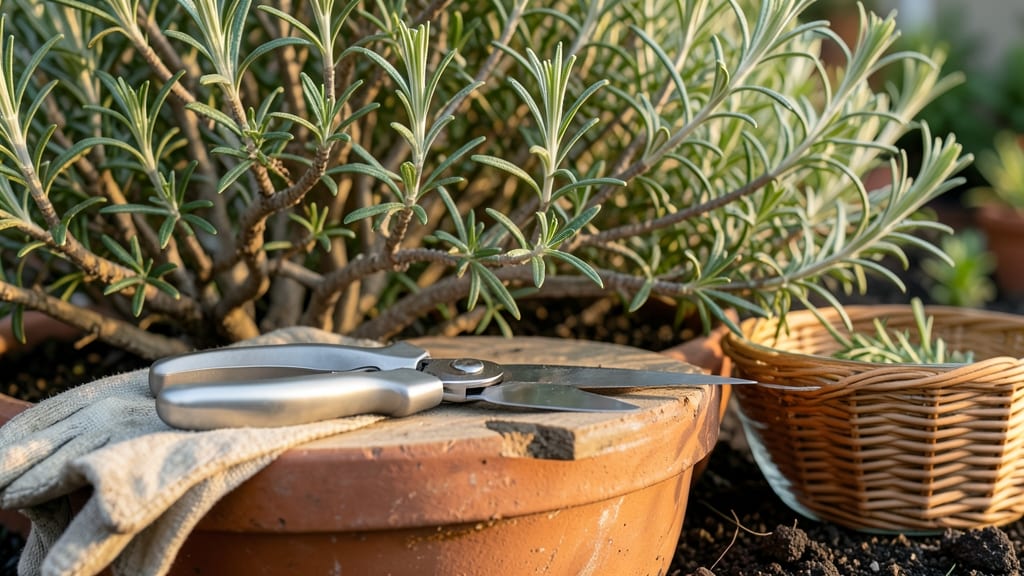
To harvest fresh rosemary at its peak flavor, focus on young stems and new growth 🌿 — this keeps your plant lush and your kitchen herbs vibrant.
Harvesting fresh rosemary at the right time and in the right way can transform your kitchen herbs from store-bought to restaurant-quality—while keeping your plant thriving for years.
You don’t need fancy tools: sharp scissors or clean pruning shears will do. The key is cutting just above a leaf node, which encourages bushier growth and prevents woody stems.
In this guide, I’ll walk you through the best times to harvest, how to prune for continuous yields, and simple storage methods to preserve that fresh, aromatic flavor.

Best time and parts of rosemary to harvest for maximum flavor
Harvesting rosemary at the right time ensures maximum flavor and keeps your plant healthy. The best periods are spring to early summer and fall, when new growth is most aromatic. Avoid harvesting in winter, as the plant enters dormancy and flavor diminishes.
For peak flavor, focus on new growth—the soft, flexible stems near the tips. These contain the highest concentration of essential oils that give rosemary its signature piney scent. Older, woody stems still have flavor but are tougher and less fragrant.
Timing matters because rosemary’s flavor compounds peak when the plant is actively growing. Harvesting too late in the season or from overly mature wood can leave your stems bitter or tasteless. Think of it like plucking herbs at their prime, just like you would with basil or thyme.
Here’s a quick reference to help you identify the best parts of your rosemary to harvest:
| Part of Plant | Best Time to Harvest | Flavor Quality | Plant Health Impact |
|---|---|---|---|
| New growth (soft stems) | Spring to early summer | Highest (bright, piney) | Encourages bushiness |
| Mature stems (flexible) | Fall (before frost) | Moderate (slightly woody) | Maintains shape |
| Woody branches (hard) | Avoid (or prune out) | Low (bitter, tough) | Can stunt regrowth |
| Flowering stems | Remove immediately | Reduces flavor | Diverts energy from leaves |
Spring and early summer are ideal because rosemary’s essential oils are most concentrated during this period. The new growth you’ll find at the tips of branches is tender, fragrant, and perfect for cooking or garnishes.
If you wait until late summer, the plant may start flowering, which reduces flavor and shifts energy away from leaf production.
Fall harvesting is your second chance to gather rosemary before frost sets in. Focus on the middle-aged stems—these are still flexible but have developed more robust flavor than the spring growth. Just avoid cutting into the woody core, as this can harm the plant’s ability to regrow.
To test if your rosemary is ready for harvest, gently crush a few needles between your fingers. If it releases a strong, piney aroma, it’s prime time.
If the scent is weak or musty, wait a few weeks or adjust your plant’s care—like ensuring it gets full sun and well-draining soil.
Overharvesting can stress your rosemary, leading to leggy growth or even death. Never remove more than one-third of the plant in a single session. This rule keeps your rosemary lush and encourages continuous new growth for future harvests.
If your rosemary looks woody or sparse, it’s a sign you’ve been harvesting too aggressively or not pruning enough. Trim back overgrown areas in early spring to stimulate fresh shoots and restore a bushier shape.
With the right balance, your rosemary can thrive for years, providing a steady supply of flavorful herbs.
Pro tip: Mark your calendar for spring and fall harvests. These seasons align with rosemary’s natural growth cycles, ensuring you always get the freshest, most aromatic stems. Happy harvesting! 🌿
Step-by-step guide: how to prune rosemary for continuous harvesting
Pruning rosemary isn’t just about harvesting—it’s about encouraging lush growth and preventing those woody, flavorless stems we all dread. When done right, your rosemary will stay bushy, fragrant, and productive for years.
The key? Cutting at the right angles, lengths, and times while avoiding common pitfalls like over-pruning or using dull tools.
I’ve pruned rosemary for over a decade, and the difference between a revived, thriving plant and a leggy, struggling bush comes down to technique. Whether you’re dealing with a newly planted rosemary or a woody, overgrown specimen, these steps will keep your herb garden productive and healthy.
How to Harvest Fresh Rosemary
-
Step 1: Choose the Right Tools
Use sharp pruning shears or clean kitchen scissors. Dull blades crush stems, causing damage and stress. -
Step 2: Identify the Cutting Point
Look for leaf nodes (where leaves meet the stem). Cut just above a node at a 45-degree angle to encourage new growth. -
Step 3: Harvest Young Stems First
Prioritize new, tender growth (less than 1/4-inch thick). Avoid cutting into old, woody stems—they won’t regrow well. -
Step 4: Leave at Least 1/3 of the Plant
Never remove more than 1/3 of the plant in one session. Over-pruning stresses rosemary and can lead to dieback. -
Step 5: Prune for Shape
Trim outer stems first to encourage bushier growth. Avoid cutting into the center of the plant, which can create bare spots. -
Step 6: Post-Prune Care
Water deeply after pruning to reduce stress. Avoid fertilizing immediately—rosemary prefers lean soil.
If your rosemary looks leggy or sparse, it’s time for a rejuvenation prune. Start by cutting back overgrown stems by half, focusing on the longest, leggiest branches.
This forces the plant to send out new growth from the base, creating a fuller shape. Just be patient—it may take a few weeks to see results.
One common mistake is pruning too late in the season. Avoid heavy cuts after mid-summer, as new growth won’t have time to harden off before winter.
Instead, do a light trim in early spring to kickstart growth for the season. And always sterilize your tools with rubbing alcohol to prevent disease.
With these techniques, your rosemary will stay compact, fragrant, and ready for continuous harvesting all season long. Happy pruning! ✂️🌿