
How To
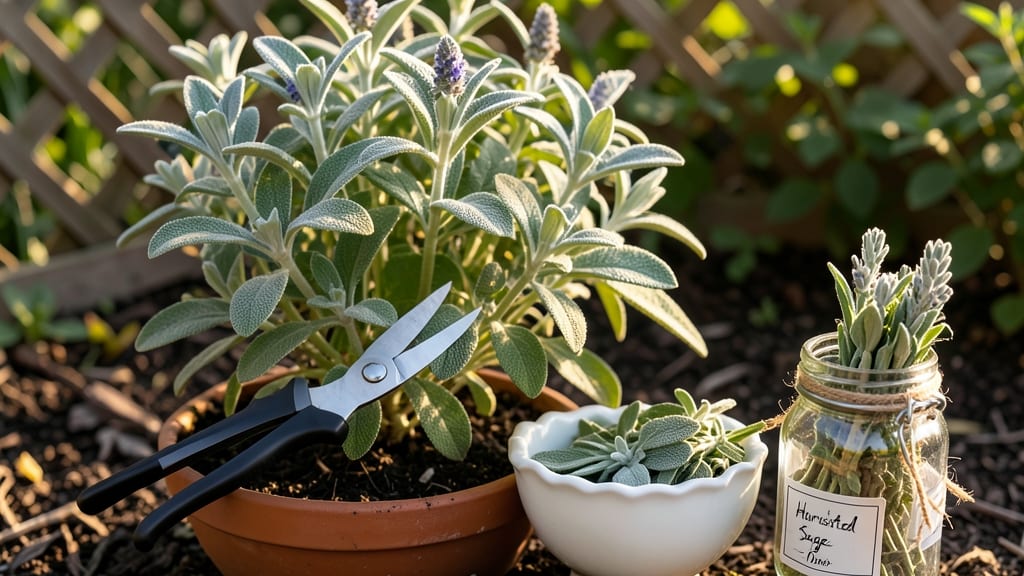
Harvesting sage at the right time and in the right way keeps it growing strong and productive for years—so you never run out of fresh leaves for cooking or garnishing.
Picture this: you snip a few stems, and instead of a lush bush, you’re left with a sad, leggy plant that barely recovers. That’s what happens when you harvest too much or at the wrong stage.
But with the right technique—pruning just before flowering and cutting stems the correct way—your sage will bounce back bushier than ever.
This isn’t just about avoiding over-harvesting; it’s about working with the plant’s natural growth cycle. Sage thrives when you give it a little structure, and the key is timing: harvest leaves before buds form, and always leave enough foliage to keep the plant fed.
I’ll walk you through the exact steps to keep your sage healthy, flavorful, and ready for your next culinary project.
From seasonal pruning tips to post-harvest care, you’ll learn how to turn every harvest into a step toward a bigger, more vibrant sage plant—so you can enjoy fresh leaves all season long.

When and how to prune sage for continuous growth
If you’ve ever harvested sage only to watch your plant slow down or stop growing, you’re not alone. The key to a lush, productive sage bush lies in timing and technique.
Unlike many herbs, sage thrives when pruned at the right stage—just before flowers appear. This encourages new growth and prevents the plant from becoming woody or leggy.
Sage is a hardy perennial, but it needs intentional pruning to maintain its shape and productivity. When done correctly, you can harvest sage year after year without sacrificing its health. The secret? Focus on flower buds, not blooms, and use clean cuts to minimize stress on the plant.
Step-by-Step Guide to Prune Sage for Regrowth
-
Step 1: Wait Until Flower Buds Form
Prune sage when you see small, green flower buds (about the size of a pea) but before they bloom. This redirects the plant’s energy to leaf production instead of seed development.
-
Step 2: Use Sharp, Clean Pruners
Dull tools crush stems, slowing recovery. Use bypass pruners or sharp scissors sterilized with rubbing alcohol to prevent disease.
-
Step 3: Cut Just Above a Leaf Pair
Make cuts 1/4 inch above where two leaves meet. This ensures new shoots grow from the leaf axils, promoting a bushier plant.
-
Step 4: Remove No More Than 1/3 of the Plant
Over-pruning stresses sage. Limit cuts to 30% of the plant’s height to avoid stunting growth or exposing bare stems.
-
Step 5: Focus on Outer Growth
Trim the outer stems first to open the plant’s center to sunlight and air circulation. This prevents fungal issues and encourages even regrowth.
-
Step 6: Post-Prune Care
Water deeply after pruning to help the plant recover. Avoid fertilizing immediately—wait 4-6 weeks to let new growth establish.
Timing your pruning is just as critical as the technique. For perennial sage varieties like common sage (Salvia officinalis), the best time to prune is late spring to early summer, right after the last frost but before the heat of summer.
This gives the plant enough time to recover before winter dormancy.
If you’re growing sage in containers or pots, the same rules apply, but monitor soil moisture more closely. Container-grown sage dries out faster, so ensure the pot has drainage holes and use a well-draining potting mix.
Overwatering is a common mistake that can lead to root rot, especially after pruning.
One of the biggest myths about sage is that you should wait until it flowers to harvest. Do the opposite: Harvest before buds form. Flowering signals the plant to shift energy from leaves to seeds, reducing the aromatic quality and leaf production you love.
By pruning at the right stage, you’ll enjoy fresh, flavorful sage for cooking and garnishes all season long.
For woody sage plants (older bushes), rejuvenate growth by cutting back 1/3 of the oldest stems in early spring. This encourages new shoots from the base, keeping your sage vibrant and productive.
Just avoid heavy pruning in fall or winter, as the plant needs time to harden off for dormancy.
Pro tip: Bundle your pruned stems and hang them upside down in a dry, dark place to dry for later use. This preserves the leaves’ flavor while keeping your plant healthy and growing. With the right approach, your sage will reward you with continuous growth and abundant harvests for years.
Common mistakes that kill sage growth after harvesting
Harvesting sage leaves is exciting, but aggressive pruning or wrong timing can shock your plant and halt growth. Many gardeners unknowingly make these mistakes, thinking they're helping their sage bush thrive. The truth? Over-cutting or harvesting at the wrong stage often leads to stunted regrowth or even plant death.
Your sage plant relies on a delicate balance between leaf production and energy reserves. When you harvest too much or at the wrong time, the plant struggles to recover. Let's explore the critical errors that sabotage your sage's health and how to fix them before it's too late.
⚠️ Harvesting Sage Wrong: The Silent Growth Killer
The #1 mistake? Cutting flowering stems or over-pruning more than 1/3 of the plant at once. Sage sends energy to flower buds, so harvesting blooms diminishes leaf production.
Always prune just above leaf pairs when buds appear—not when flowers open—and never remove more than 30% of foliage in one session.
Fix it: Trim only non-flowering stems in early spring, using clean, sharp bypass pruners. Space cuts 2-3 weeks apart to avoid stress.
Another deadly habit is harvesting wrong plant parts. Many gardeners snip old, woody stems instead of fresh, green growth. These mature stems won't regrow leaves, leaving your sage bush looking bare. Always target the newest growth just below leaf pairs for maximum regrowth.
Post-harvest care is often ignored, yet it's critical for recovery. After pruning, many forget to water deeply or apply compost. Sage needs 1 inch of water weekly (more in hot climates) and a light fertilizer every 6-8 weeks to bounce back.
Skipping this step leaves your plant nutrient-depleted and weak.
Seasonal limitations also play a role. Harvesting sage in late fall or winter stresses the plant, as it enters dormancy. Even in USDA Zone 6a, sage slows growth below 50°F.
Wait until spring regrowth (March-April) before heavy pruning. In tropical climates, harvest year-round but reduce frequency in monsoon seasons.
If your sage looks leggy or bare after harvesting, don't panic. Revive it by pruning back overgrown stems to healthy leaf pairs and adding 2 inches of compost.
Increase watering to deep soaks every 5-7 days until new growth appears. With patience, your sage will recover its bushy form within 6-8 weeks.
Remember: sage is resilient but not indestructible. By avoiding these common pitfalls—like over-pruning, wrong timing, and neglecting post-harvest care—you'll enjoy a lush, productive sage bush for years. Happy pruning! 🌿