
How To
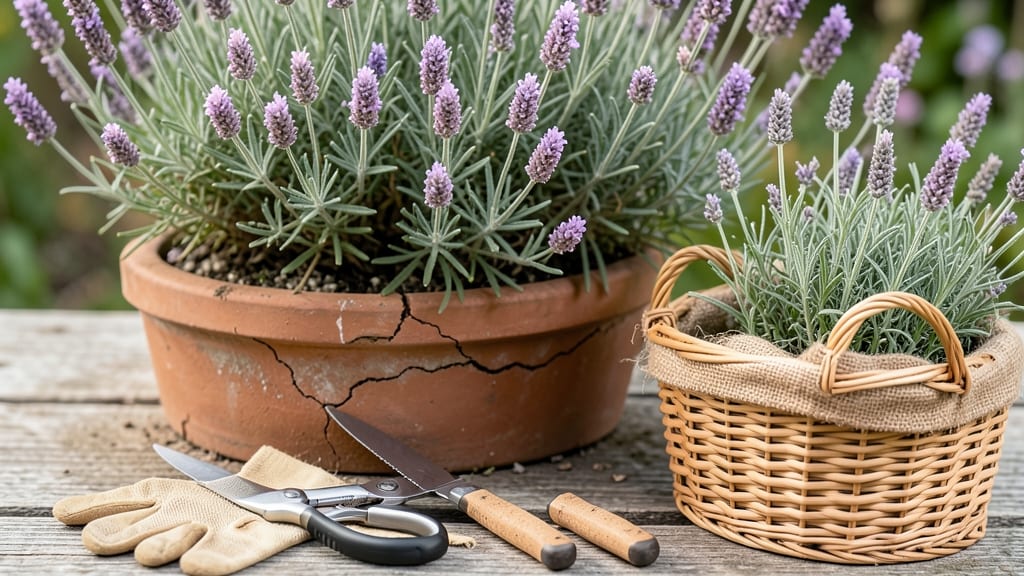
Harvesting lavender at the right stage unlocks its full potential—whether for essential oils, dried bundles, or kitchen spices.
Picture this: you’ve nurtured your 🌿 lavender all season, and now the moment has arrived to turn those fragrant blooms into something magical. But timing is everything—too early, and you’ll miss the peak aroma; too late, and the flowers lose their vibrancy.
The secret lies in knowing when to cut, how to handle the stems, and what to do next to preserve that signature scent.
In this guide, I’ll walk you through the best time to harvest (hint: it’s not when the flowers first open), the tools you’ll need, and the simple tricks to dry and store your lavender so it stays potent for months.
Whether you’re a beginner or a seasoned gardener, these steps will ensure your harvest is nothing short of perfect.
From avoiding woody stems to maximizing fragrance, you’ll learn how to turn your garden into a lavender powerhouse—ready for sachets, teas, or even homemade soaps. Let’s get started!

When to harvest lavender for maximum oil, color, and fragrance
Timing your lavender harvest correctly ensures you capture the peak fragrance, richest color, and highest essential oil content. Unlike many herbs, lavender rewards precision—harvest too early, and you miss potency; too late, and the stems become woody.
The ideal window spans late summer through early fall, but specific cues from your plants will guide you better than a calendar ever could.
Lavender thrives in USDA Zone 6a and beyond, where the long, sunny days of July through September create perfect conditions. However, the true indicators aren’t dates but the plant’s physical state.
For example, English lavender (Lavandula angustifolia) and French lavender (Lavandula dentata) reach peak harvest readiness when 20-30% of buds have opened into vibrant purple blooms.
Weather plays a crucial role too. Harvest on dry, sunny mornings after any morning dew has evaporated. Avoid harvesting after rain or in high humidity, as moisture can dilute the essential oil concentration and promote mold.
The best time of day is between 8 AM and 10 AM, when the oils are at their most concentrated.
Here’s a quick reference to help you spot the perfect moment:
| Harvest Indicator | Description | Best For |
|---|---|---|
| Bud Stage | 20-30% of buds open into flowers | Essential oils, drying |
| Stem Color | Woody, green turning brownish | Culinary use, bundles |
| Fragrance Test | Strong, sweet aroma when crushed | All uses |
| Bloom Percentage | 50-70% of stems in full bloom | Drying, potpourri |
| Avoid When | Flowers shed or stems turn fully brown | Any use |
For essential oil extraction, aim to harvest when 10-20% of buds have opened. This ensures the highest concentration of linalool and linalyl acetate, the compounds responsible for lavender’s signature scent and therapeutic properties.
If you’re growing lavender for dried bundles or culinary uses, wait until 50-70% of flowers are open to maximize color and fragrance retention during drying.
Young lavender plants (under 2 years old) should be harvested lightly—never cut more than one-third of the plant in a single season. This prevents stress and ensures robust regrowth.
For mature plants, you can harvest two to three times per season, spacing cuts 6-8 weeks apart to allow the plant to recover.
Pay attention to the stem flexibility. When stems bend slightly but don’t snap easily, they’re ready. If they’re still soft and green, wait a few more days.
Overly woody stems indicate you’ve missed the window. Pro tip: Crush a few leaves between your fingers—if the scent is weak or absent, the plant isn’t ready yet.
Seasonal variations matter too. In cooler climates, lavender may bloom later, so adjust your harvest timeline accordingly. For example, in Zone 5 or colder, you might extend harvesting into early October.
Conversely, in warmer zones like Zone 8+, lavender may bloom earlier, so start harvesting as early as June.
If you’re unsure whether your lavender is ready, harvest a small test batch. Dry it and compare the color, fragrance, and oil potency later. This hands-on approach helps you fine-tune your timing for future harvests.
Remember, lavender’s fragrance and oil content peak at different stages, so tailor your harvest strategy to your specific goals.
Finally, never harvest lavender after the first frost. The cold damages the plant and reduces oil quality. With the right timing, your lavender will reward you with years of bountiful harvests, whether you’re crafting sachets, extracting oils, or adding fresh sprigs to culinary dishes. 🌸
Step-by-step lavender harvesting techniques for different uses
Harvesting lavender properly ensures you capture its peak fragrance and essential oil potency. Whether you're preparing dried bundles for sachets, extracting culinary lavender, or making essential oils, the technique matters. The right tools and timing preserve quality and extend your plant's productivity for years.
For essential oils, harvest lavender when 70-80% of buds are open but before they fully bloom. This stage guarantees the highest concentration of volatile oils. If you're drying lavender for culinary or decorative uses, aim for fully open flowers with vibrant purple hues.
Always harvest on a dry, sunny morning to maximize oil content and fragrance.
How to Harvest Lavender
- Gather Tools: Use sharp pruning shears or clean scissors to avoid crushing stems. Wear gloves to protect your hands from sap.
- Select Stems: Choose healthy, woody stems with fully open buds. Avoid stems with yellowing leaves or pests.
- Cut at the Base: Snip stems 1/3 from the top to encourage new growth. Leave 1/3 of the plant intact to maintain its shape and health.
- Bundle Immediately: Tie stems into small bundles of 5-10 stems using twine or rubber bands. Hang bundles upside down in a dry, dark, well-ventilated space.
- Dry Properly: Allow bundles to dry for 2-3 weeks until stems are crispy and brittle. For essential oils, process fresh lavender within 24 hours of harvest.
- Store Correctly: Keep dried lavender in airtight containers away from light and moisture. For culinary use, store in glass jars to preserve flavor.
When harvesting for essential oils, act quickly after cutting. The oil content degrades rapidly, so process stems within 24 hours using a cold-press or steam distillation method. For culinary lavender, ensure stems are completely dry before using them in tea blends or desserts to avoid bitterness.
Never harvest more than 1/3 of the plant in a single session to prevent stress or dieback. Over-harvesting weakens lavender and reduces future yields. Space harvests 4-6 weeks apart during the growing season to maintain plant health and encourage continuous blooming.
After drying, trim off woody stems and store only the flower buds for long-term use. Label your containers with the harvest date to track freshness. Properly stored lavender retains its aroma and color for up to 1 year, making it a versatile addition to your garden toolkit.
With these techniques, your lavender harvest will yield fragrant bundles, potent oils, and culinary delights season after season. Happy harvesting! 🌿✂️🌸