
How To
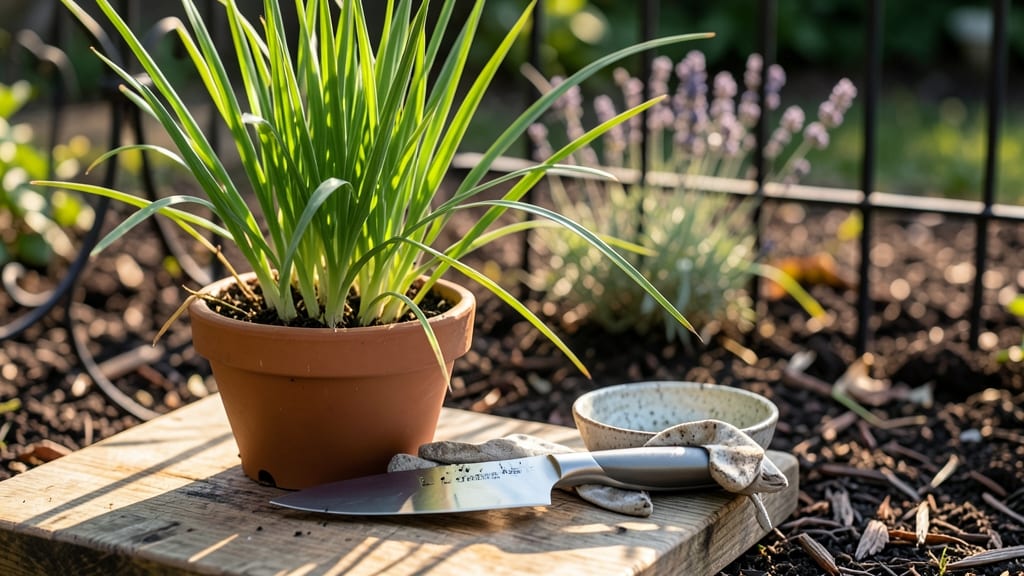
Harvesting lemongrass for tea means picking the perfect stems at the right time—before flowering—to capture that bright, citrusy punch you crave in every cup.
Picture this: a warm afternoon, the air thick with the scent of crushed leaves, and your kitchen buzzing with the promise of homemade tea. But here’s the catch—harvest too late, and your brew turns bitter.
Too early, and the flavor fades. Timing is everything, and I’ve got the pro tips to nail it every time.
Whether you’re drying bundles for long-term use or plucking fresh stems for an immediate infusion, this guide covers when to cut, how to store, and even how to revive your plant so it keeps giving. No more wasted harvests or weak tea—just pure, potent flavor with every sip.
Ready to turn your garden into a tea trove? Let’s dive into the step-by-step secrets that’ll have you brewing like a pro in no time.

When to harvest lemongrass for maximum flavor: fresh vs dried tea benefits
Harvesting lemongrass at the right time transforms your tea from ordinary to extraordinary. The flavor intensity and aromatic depth vary dramatically depending on whether you harvest fresh stems or dried bundles.
For fresh tea, aim for young, tender shoots between 12-18 inches tall, while dried bundles benefit from slightly older stems with fully developed leaves. Understanding these differences ensures your tea stays vibrant and fragrant.
Seasonal timing also plays a crucial role. In tropical climates (USDA Zones 10-12), you can harvest year-round, but the peak flavor occurs during warm months. For cooler zones (Zone 6+), focus on harvesting from late spring through early fall before the first frost.
Even in mild climates, avoid harvesting after the plant flowers, as the citrusy oils diminish once blooming begins.
Now let's compare the best times to harvest for fresh versus dried tea benefits using this quick reference:
For fresh lemongrass tea, prioritize harvesting when stems are 12-18 inches tall and leaves are deep green and glossy. This stage delivers the brightest citrus notes and crispest aroma. Crush a leaf to check for a strong lemony scent—if it’s faint, wait a few more days.
Fresh stems work best in iced tea blends or quick infusions, where their vibrant flavor shines.
When harvesting for dried lemongrass bundles, wait until stems reach 18-24 inches with a slightly woody base. These older stems develop complex, earthy undertones that deepen during the drying process.
Dried lemongrass is ideal for long-steeped teas or as a base for herbal blends, releasing its citrusy oils gradually. Harvest before flowering to avoid bitter flavors.
Sustainable harvesting is key to keeping your lemongrass plant productive. Never cut more than one-third of the plant at once, and always leave at least 4-6 inches of stem to encourage regrowth.
After harvesting, trim the outer leaves to promote new shoots from the center. With proper care, a single plant can yield harvests every 6-8 weeks throughout the growing season.
Regrowth cycles are another critical factor. After harvesting, your lemongrass plant will sprout new shoots from the base within 2-3 weeks if conditions are ideal. Ensure the soil stays moist but well-drained and provide partial sunlight to support rapid regrowth.
In cooler climates, focus on spring and summer harvests to maximize flavor before the plant enters dormancy.
Seasonal timing also affects flavor. Harvest in morning hours when the citrus oils are most concentrated. Avoid harvesting after heavy rain, as excess moisture can dilute the aromatic compounds. For dried lemongrass, harvest on a sunny, dry day to prevent mold during the drying process.
Store dried bundles in an airtight container away from direct sunlight to preserve their potency.
Pro tip: If your lemongrass plant starts flowering, trim the flower stalks immediately to redirect energy back into leaf growth. This ensures your plant remains productive and flavorful for future harvests. With the right timing and care, you’ll enjoy fragrant, high-quality lemongrass tea all year round.
🌿
Step-by-step guide to harvesting lemongrass for tea (fresh or dried)
Harvesting lemongrass at the right time ensures your tea bursts with citrusy aroma and bold flavor. For fresh tea, aim for stems between 12-18 inches tall with vibrant green leaves.
If drying, harvest slightly taller stems to maximize potency. Always use sharp pruning shears to avoid crushing the stems—this preserves essential oils.
Before harvesting, inspect your plants for healthy growth. Avoid stems with brown spots or weak bases, as these indicate stress. Morning harvests yield the freshest stems, while afternoon cuts work best for drying.
Remember: never cut more than 1/3 of the plant at once to encourage regrowth and maintain a steady supply.
- Step 1
- Step 2
- Step 3
- Step 4
- Step 5
- Step 6
Reviving your lemongrass plant after harvest is simple. Water thoroughly post-harvest and fertilize with a balanced 10-10-10 mix to encourage regrowth. In Zone 6 or cooler, protect plants from frost by mulching or moving pots indoors. With proper care, a single plant can yield multiple harvests per year.
Pro tip: Pair your lemongrass tea with ginger or mint for a refreshing twist. Use dried stems in homemade potpourri or infuse oils for DIY candles. The key to consistent harvests? Patience and precision—your tea’s flavor depends on it! 🌿