
How To
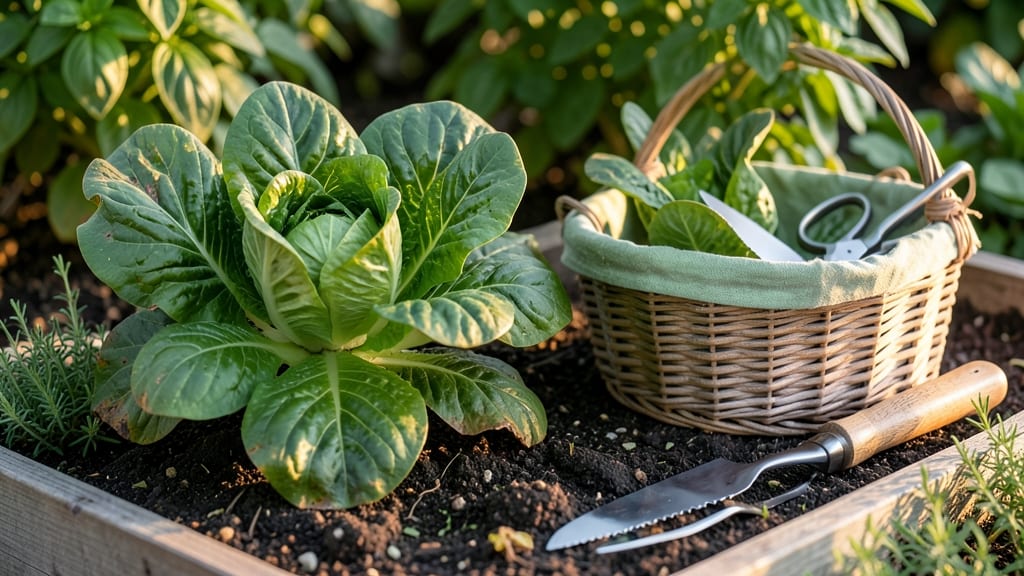
Harvesting lettuce the right way keeps your 🥬 crisp, flavorful, and ready to pick again and again—without turning bitter or bolting.
Picture this: you’ve nurtured your lettuce for weeks, only to pull a leaf that tastes like grass or worse—bolted into a flower stalk. That’s what happens when you harvest too late or too aggressively.
The good news? With the right timing and technique, you can enjoy a steady supply of fresh greens all season long.
Knowing when to harvest is the first step—wait until leaves reach 2-3 inches and are firm but tender. Then, use the right tools (sharp scissors or a knife) and cut just above the soil to encourage regrowth.
Whether you’re harvesting whole heads or leaf by leaf, these small details make all the difference in maximizing your yield.
Below, I’ll walk you through the exact steps to harvest lettuce without stressing the plant, plus tips to extend your harvest season and keep your greens tasting fresh. Ready to turn your garden into a never-ending salad bowl?

When to harvest lettuce for optimal flavor and growth
Timing your lettuce harvest is everything—pick too early, and you’re left with tiny, underdeveloped leaves. Harvest too late, and you risk bitter, woody textures or even bolting (when the plant sends up a flower stalk).
The key is watching for visual cues and understanding your lettuce variety’s maturity timeline. For most varieties, this means harvesting when leaves reach 2-3 inches long and feel crisp but tender to the touch.
I’ve learned the hard way that ignoring these signs can turn a promising crop into a sad, bolted mess.
For example, leaf lettuce like romaine or butterhead can be harvested leaf-by-leaf once the outer leaves hit 4-6 inches, while head lettuce like iceberg should be cut whole when the head feels firm and compact.
Pay attention to the color consistency—vibrant green leaves are a good sign, while yellowing or pale leaves mean it’s past its prime.
Weather also plays a critical role. Harvesting in cool morning hours (before 10 AM) helps maintain crispness, while harvesting during hot afternoons can wilt leaves almost instantly.
If you’re growing in hot climates, opt for shade-tolerant varieties like oakleaf or provide afternoon shade to delay bolting and extend your harvest window.
One of the biggest mistakes I’ve seen (and made!) is waiting until the entire head is fully mature before harvesting. By then, the center leaves often become tough and bitter. Instead, I now harvest outer leaves first, leaving the inner leaves to grow.
This method lets you enjoy fresh lettuce for weeks longer while avoiding bolting. For loose-leaf varieties, you can even harvest continuously by snipping leaves as they reach the ideal size.
If you notice your lettuce plants sending up flower stalks (bolting), it’s already too late for a quality harvest. Bolting is triggered by heat stress, drought, or day length changes.
To prevent this, I always plant heat-tolerant varieties like Jericho or Black Seeded Simpson in summer and use shade cloth if temperatures exceed 80°F. Succession planting—sowing new seeds every 2-3 weeks—also ensures a steady supply of fresh lettuce.
For head lettuce, like romaine or iceberg, the entire head should be firm and compact before harvesting. Gently squeeze the head—if it feels soft or hollow, it’s overripe. Use a sharp knife to cut the head about 1 inch above the base, leaving the roots intact.
This allows the plant to regrow, giving you a second harvest of smaller leaves in about 2 weeks, though the quality won’t be as good as the first.
Another pro tip: Harvest in the morning after dew has dried but before the sun gets too intense. This ensures your lettuce stays crisp and hydrated. After harvesting, rinse leaves gently in cool water and pat dry with a clean towel or salad spinner.
Store them in a plastic bag with a paper towel in the fridge to maintain freshness for up to 5-7 days. For longer storage, consider blanching and freezing.
If you’re growing lettuce in containers or pots, monitor the harvest
Essential tools and techniques for clean, damage-free lettuce harvesting
Harvesting lettuce the right way ensures your plants stay healthy and keep producing fresh, flavorful leaves. Using the wrong tools or techniques can damage the plant, leading to stress, bolting, or even death.
I’ve learned that a few simple tools and gentle methods make all the difference in maintaining a thriving lettuce patch for weeks.
Start with the right harvesting tools—a sharp pair of pruning shears or clean kitchen scissors works best for cutting whole heads. For leaf-by-leaf harvesting, I recommend wearing gardening gloves to protect your hands and avoid transferring dirt or bacteria.
A shallow harvest basket or tray keeps leaves organized and prevents bruising.
Before you begin, check the weather forecast. Harvest on a cool, cloudy morning to prevent wilting. Avoid harvesting after rain or in direct sunlight, as this can cause leaves to bolt or develop bitter flavors. Always work gently to preserve the plant’s health and encourage regrowth.
How to Harvest Lettuce Like a Pro
-
Step 1: Choose Your Method
- For whole heads: Cut the entire head at the base with sharp scissors.
- For individual leaves: Pinch or snip outer leaves, leaving the inner growth intact.
-
Step 2: Use the Right Technique
- Hold the outer leaves firmly and twist or cut just above the soil line.
- Avoid pulling leaves—this can uproot the plant and damage roots.
-
Step 3: Store Properly for Freshness
- Place harvested leaves in a perforated bag or airtight container.
- Store in the crisper drawer of your fridge for up to 5-7 days.
- For longer storage, wrap leaves in a damp paper towel before refrigerating.
-
Step 4: Encourage Regrowth
- After harvesting, water the base of the plant to stimulate new growth.
- Apply a light nitrogen fertilizer to support leaf regrowth.
If you’re harvesting loose-leaf varieties, like romaine or buttercrunch, you can snip leaves as they reach 2-3 inches long. This method allows the plant to keep producing for weeks. For head lettuce, like iceberg or crisphead, harvest the entire head once it’s fully formed to avoid bitterness.
After harvesting, inspect your plants for signs of pests or disease. Remove any damaged leaves immediately to prevent spread. If your lettuce starts to bolt (sending up a tall flower stalk), it’s a sign the plant is stressed—either from heat or over-maturity.
In this case, harvest what you can and replace the bed with a shade-tolerant variety for future harvests.
With the right tools and techniques, you’ll enjoy a steady supply of fresh, crisp lettuce all season long. Happy harvesting! 🥬✂️🌱