
How To
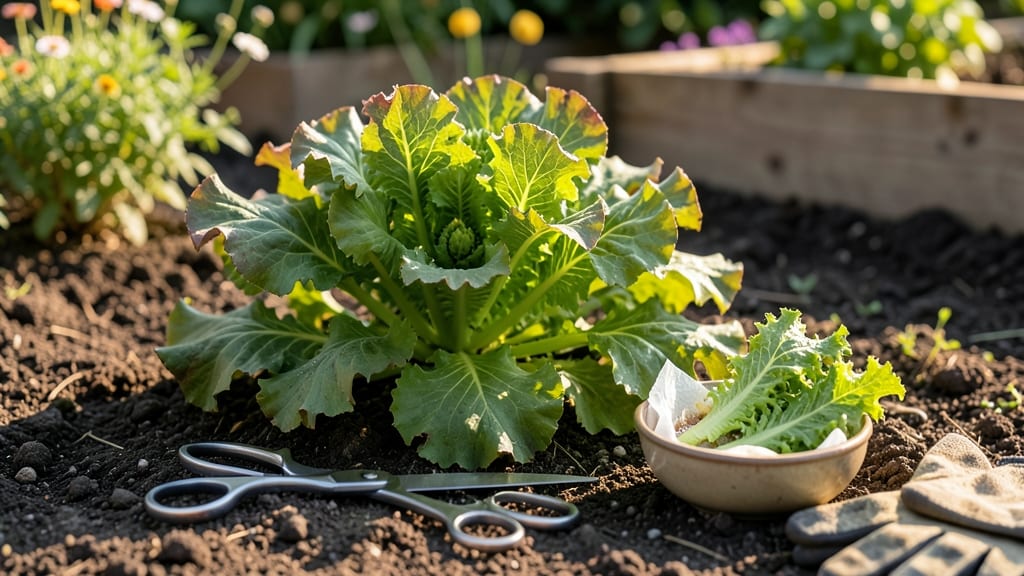
To harvest loose leaf lettuce at its peak flavor while keeping your 🥬 plants productive, you need the right timing and technique—and most gardeners miss the mark on both.
Picture this: you’ve nurtured your lettuce for weeks, only to pull a leaf that’s bitter or limp, or worse, watch your plant bolt into flower after a single harvest.
The key is picking leaves when they’re crisp, vibrant, and just the right size, then cutting them in a way that encourages regrowth. I’ve made these mistakes (and learned from them), so you don’t have to.
In this guide, you’ll discover the exact signs to look for—like leaf size, color, and texture—that mean your lettuce is ready to eat, plus how to snip or pinch leaves without damaging the plant.
We’ll also cover what to do after harvesting to keep your 🥬 thriving for weeks of fresh greens.
By the end, you’ll know not just when to harvest, but how to do it in a way that turns a single plant into a never-ending salad bowl. Ready to master the art?

When to harvest loose leaf lettuce for best flavor and regrowth
Harvesting loose leaf lettuce at the right moment ensures maximum flavor and encourages your plants to keep producing for weeks. Unlike head lettuce, you can pick leaves individually without killing the plant.
The key is balancing leaf maturity with regrowth potential, while avoiding common mistakes like overharvesting or picking at the wrong temperature.
Start harvesting when outer leaves reach 4-6 inches long—this is the sweet spot for flavor and texture. Younger leaves (under 3 inches) are tender but lack depth, while older leaves (over 7 inches) can become bitter or tough.
Pay attention to leaf color too: vibrant green or deep red hues signal readiness, while pale or yellowing leaves mean it's too early or the plant is stressed.
Temperature plays a crucial role in timing. In cool spring or fall (ideal for lettuce), harvest when morning temps are above 50°F (10°C). Avoid picking during hot afternoons (over 85°F/29°C), as this stresses plants and can lead to bolting (premature flowering).
Early morning harvests also ensure leaves stay crisp longer.
Seasonal variations matter: Spring harvests (April-May) yield sweeter leaves due to cooler nights, while fall harvests (September-October) benefit from shorter daylight hours. In summer, provide shade cloth (30-50%) to prevent bolting and maintain harvest quality. Always check for crispness—a slight give when gently squeezed indicates readiness.
Avoid these harvesting mistakes that sabotage regrowth: cutting into the inner core (the growing point), harvesting more than 1/3 of the plant at once, or using dull tools that crush stems.
Instead, use clean, sharp scissors or pruners to snip leaves 1/4 inch above the next leaf. This minimizes damage and encourages bushier growth.
For continuous harvests, pick outer leaves regularly every 2-3 days during peak growth. In spring and fall, this can extend your harvest for 6-8 weeks per planting.
In summer, expect shorter harvest windows (3-4 weeks) unless you provide shade. Always leave the innermost leaves to protect the growing point and ensure future production.
Watch for stress signals like yellowing leaves or limp stems after harvest—these indicate over-picking. If your plant looks wilted, trim any damaged leaves, water deeply, and provide afternoon shade for 1-2 days.
Avoid fertilizing immediately after harvest; wait 5-7 days to let the plant recover before applying a low-nitrogen fertilizer (5-10-10 ratio).
Pro tip: Harvest in stages to prolong production. Start with 2-3 outer leaves, then wait 5-7 days before picking more. This mimics natural leaf development and prevents bolting. In container gardens, harvest every 3-4 days to avoid overcrowding, which reduces air circulation and increases disease risk.
Remember, loose leaf lettuce thrives on attention—regular harvesting trains plants to produce more leaves. By mastering these timing cues and techniques, you’ll enjoy crisp, flavorful lettuce for months while keeping your garden productive. Happy harvesting! 🥬
Step-by-Step harvesting techniques to avoid damage and boost future growth
Harvesting loose leaf lettuce correctly is an art that balances immediate flavor and long-term plant health. The wrong technique can trigger bolting (flowering) or stunted regrowth, but mastering these steps ensures your plants keep producing for weeks.
I’ve learned that side harvesting—cutting outer leaves while leaving the center—is the gold standard for continuous yields.
Your choice of harvesting tools matters just as much as the technique. A sharp pair of scissors or clean pruning shears minimizes damage to stems and reduces stress on the plant. Avoid using your fingers or dull tools, which can crush leaves and invite pests or disease.
I always keep a small spray bottle of water nearby to rinse off any dirt or debris after cutting.
How to Harvest Loose Leaf Lettuce
- 🌱 Step 1: Choose Mature Leaves
Select outer leaves that are 4-6 inches long, crisp, and vibrant in color. Avoid cutting leaves with yellowing edges or signs of pest damage. - ✂️ Step 2: Use the Right Tool
Hold a sharp scissors or pruning shears at a 45-degree angle, about 1/4 inch above the base of the leaf. Cut cleanly to prevent tearing. - 🌿 Step 3: Harvest from the Outer Leaves
Always cut outer leaves first, working your way inward. This protects the growth point at the center and encourages continuous regrowth. - 💧 Step 4: Water Immediately After
Give the plant a deep watering to replace moisture lost during harvesting. This helps reduce heat stress and keeps the soil evenly moist. - 🌡️ Step 5: Monitor for Stress
Watch for signs of wilting or yellowing in the remaining leaves. If the plant looks stressed, provide light shade during hot afternoons. - 🪴 Step 6: Thin Overcrowded Plants
If leaves are overcrowded, gently remove smaller or weaker leaves to improve airflow. This reduces the risk of fungal diseases like downy mildew.
One common mistake I see is harvesting too aggressively—cutting more than one-third of the plant at once. This shocks the lettuce and can lead to bolting or slow recovery.
Instead, space out your harvests every 2-3 days during peak growth periods. If your garden gets hot, provide afternoon shade to prevent heat stress, which turns leaves bitter.
After harvesting, store your lettuce in a plastic bag with a paper towel to absorb moisture. Keep it in the crispest drawer of your fridge (usually the one with the highest humidity) to maintain freshness for up to 10 days.
For regrowth, avoid fertilizing immediately—wait 3-5 days to let the plant recover before applying a light nitrogen-rich fertilizer.
With these techniques, your loose leaf lettuce will keep producing tender, flavorful leaves for 6-8 weeks or longer. The key is consistency: harvest often, protect the plant’s center, and respond quickly to signs of stress. Your garden—and your salad bowl—will thank you! 🥬