
How To
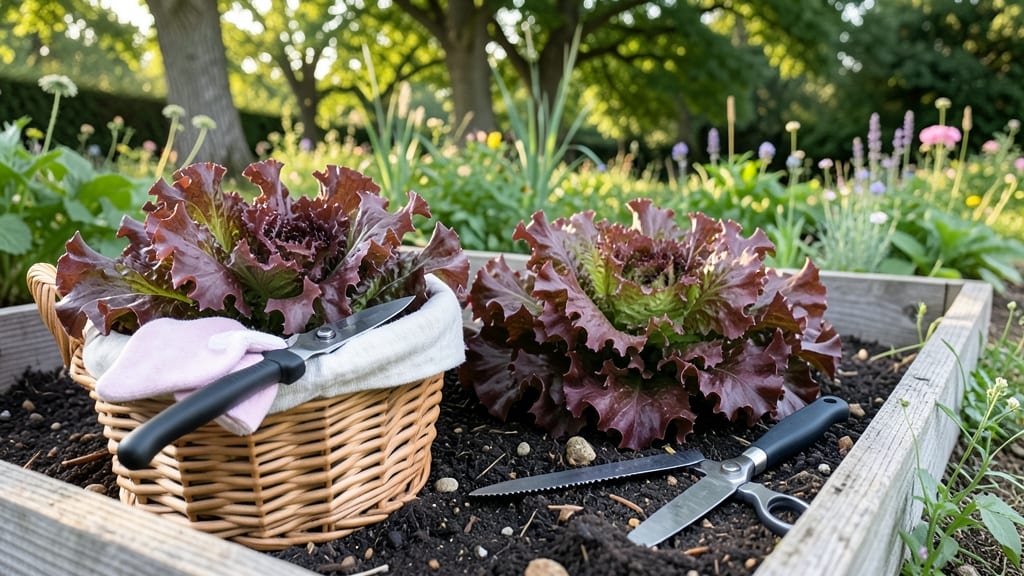
To harvest red leaf lettuce at its sweetest, start when leaves reach 4–6 inches and develop deep red edges—cutting too early means missing peak flavor, while waiting too long turns them bitter.
Picture this: you’ve nurtured your 🥬 red leaf lettuce for weeks, only to pull a leaf that’s tough or tastes like grass. That’s the moment you realize timing is everything—and the difference between a salad and a disappointment.
In this guide, I’ll walk you through the three key visual cues that signal perfect harvest time, plus how to snip leaves without damaging the plant so it keeps producing for weeks.
You’ll also learn the best time of day to harvest (hint: it’s not when you’re most hungry) and how to store your fresh picks to stay crisp for days—no wilting or sad, limp greens in sight.


When to harvest red leaf lettuce: 3 visual cues for peak flavor
Timing your harvest is the secret to crisp, sweet red leaf lettuce that tastes like a gourmet salad. Unlike some greens that tolerate early picking, red leaf lettuce develops its signature deep red-purple hues and tender texture only when fully mature.
Miss these cues, and you’ll end up with grassy, bitter leaves that ruin your fresh salad dreams.
I’ve learned the hard way—once I pulled a leaf that was only 3 inches long and tasted like overgrown grass. That’s when I realized I needed a foolproof system.
The good news? Once you master these three visual cues, you’ll never guess again. Your lettuce will be perfectly sweet, crisp, and ready every time.
Here’s the game-changer: harvest when leaves reach 4–6 inches in length, boast bold red edges, and snap cleanly when gently tugged. These aren’t just random tips—they’re the exact signals I use in my garden to guarantee peak flavor.
Let’s break it down so you can start harvesting like a pro.
🌱 How to Harvest Red Leaf Lettuce: 3 Visual Cues
- 1 Leaf Size: Harvest when outer leaves reach 4–6 inches long. Smaller leaves (<3 inches) are underdeveloped and lack sweetness, while oversized leaves (>7 inches) become tough and bitter.
- 2 Color Depth: Look for vibrant red-purple edges that contrast sharply with green centers. Pale or dull colors mean the lettuce isn’t fully mature yet, while overly dark leaves may be stressed or bolting.
- 3 Stem Firmness: Gently tug a leaf—if it snaps cleanly near the base (not at the stem), it’s ready. A leaf that resists or tears is either too young or overmature. This test is your final quality check before harvesting.
Pro tip: Harvest in the morning when temperatures are coolest. This ensures the lettuce is crispest and most flavorful, plus you avoid the bitterness trigger that heat causes. I always grab my sharp scissors or pruners and head out before 9 AM—trust me, your taste buds will thank you.
One common mistake I see is waiting until the entire head is fully grown before harvesting. Red leaf lettuce is a cut-and-come-again crop, meaning you can pick outer leaves continuously and let the inner ones keep growing.
This extends your harvest window by weeks and gives you a steady supply of fresh greens.
If you’re growing red leaf lettuce in containers or small spaces, focus on the outermost leaves first. These are the most mature and ready to harvest.
By leaving the inner leaves intact, you encourage the plant to produce more growth, giving you a second (or even third) harvest from the same plant.
Now, what if your lettuce starts to bolt or taste bitter? This usually happens when it’s overmature or stressed by heat. To salvage it, harvest the entire head immediately and use the leaves in cooked dishes where bitterness is less noticeable.
Bolted lettuce can still be delicious—just avoid eating it raw.
Remember: the sooner you harvest after spotting these cues, the sweeter your lettuce will be. Don’t let it sit on the plant any longer than necessary—once it’s ready, it’s time to snip and savor. Your next salad will be the crispest, most flavorful yet!
Step-by-step harvesting method to preserve lettuce freshness
Now that you’ve mastered the visual cues for perfect red leaf lettuce, it’s time to harvest like a pro. The way you cut or pull leaves makes all the difference between crisp, fresh greens and wilted disappointment.
I’ve found that timing and technique are just as important as knowing when to harvest—sometimes even more so.
For red leaf lettuce, you have two main harvesting methods: cutting individual leaves or harvesting the entire head. Each approach works for different situations, and choosing the right one depends on your goals.
If you want a continuous harvest, focus on outer leaves. If you’re ready for a full salad, go for the whole head.
🌱 How to Harvest Red Leaf Lettuce: Step-by-Step
-
Step 1: Choose Your Method
For cut-and-come-again harvests, use sharp scissors or pruners to snip outer leaves 1 inch above the base. For a full harvest, cut the entire head 1 inch above the soil.
-
Step 2: Harvest in the Morning
Always harvest between 6 AM and 9 AM when leaves are cool and crisp. Afternoon heat causes bitterness and wilting, ruining your freshness.
-
Step 3: Use the Right Tools
Dull scissors or fingers can crush leaves and invite pests. Keep a pair of clean, sharp pruners handy for precise cuts.
-
Step 4: Leave Inner Leaves Intact
When harvesting outer leaves, avoid cutting into the center rosette. This encourages regrowth for a second harvest in 2–3 weeks.
-
Step 5: Rinse and Dry Immediately
Rinse harvested leaves under cool water to remove dirt, then pat dry with a clean towel. Never store wet lettuce—it spoils faster.
After harvesting, storage is key to keeping your red leaf lettuce fresh. I’ve tested multiple methods, and the best results come from storing leaves in a sealed container lined with paper towels.
Place the container in the crisper drawer of your fridge—this mimics the humidity and cool temps lettuce loves. If you’re not using the leaves within 3–5 days, consider freezing them for later use in soups or smoothies.
One trick I swear by is wrapping leaves in damp paper towels before storing. This keeps them crisp for up to a week without wilting. Just avoid plastic bags—condensation causes rotting and sliminess, and nobody wants that in their salad.
If your lettuce starts to yellow or wilt too quickly, check your storage conditions. Red leaf lettuce is sensitive to ethylene gas, so store it away from apples and onions. Also, avoid washing until ready to eat—excess moisture speeds up spoilage.
With these steps, your red leaf lettuce will stay crisp, sweet, and ready for salads, wraps, or sandwiches all season long. The key is consistency: harvest in the morning, store properly, and enjoy the freshest greens your garden has to offer. Happy harvesting! 🥬