
How To
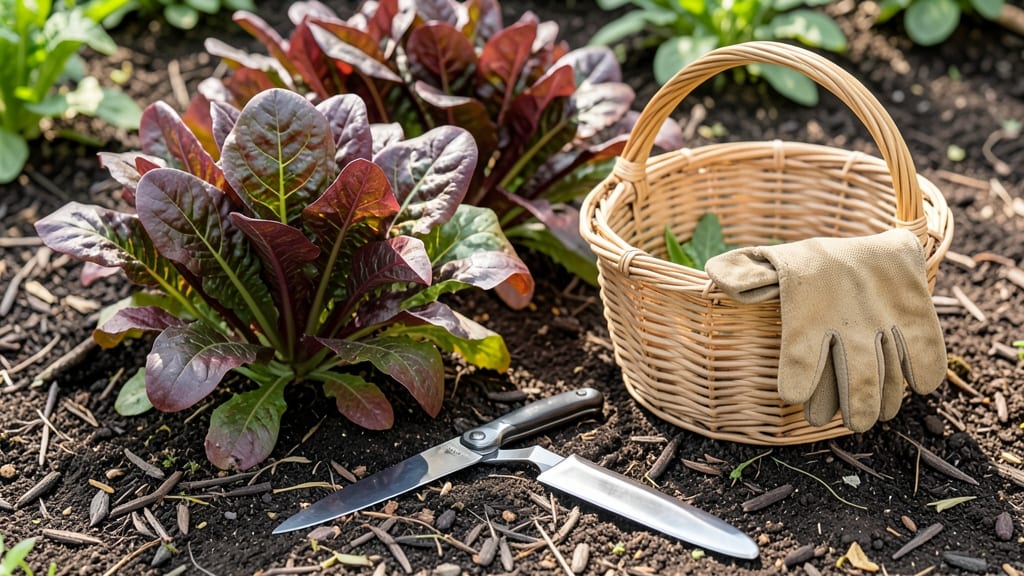
Harvesting red romaine lettuce 🥬 at the perfect moment means the difference between a salad bursting with crisp, sweet flavor and one that’s limp or bitter.
You’ve waited weeks for those deep red leaves to form, but how do you know when to snip? The crisp stem snap test is the foolproof trick I’ve used to nail every harvest—no guesswork, just a satisfying crunch that tells you it’s time.
Timing matters beyond just leaf size: cool mornings, proper firmness, and avoiding the heat of midday all play a role. Miss these cues, and you risk bolting or tough leaves that ruin your meal.
Below, I’ll walk you through the exact visual and tactile signs to watch for, plus the best times of day and season to harvest for maximum freshness and storage life.


How to perform the crisp stem snap test for red romaine lettuce
Harvesting red romaine lettuce at the perfect moment ensures maximum flavor and crisp texture. The crisp stem snap test is my go-to method because it combines visual cues with a simple tactile check.
When done right, you’ll avoid bitter, tough leaves while maximizing your harvest. This test works best when your plants are between 50-70 days old, depending on your climate.
The key to this test lies in understanding three critical visual cues: leaf size, color intensity, and stem firmness. A mature red romaine should have deep red leaves measuring 6-8 inches long, with a tight, upright growth habit.
If your plants are smaller or paler, they’re not ready yet. Overlooking these signs often leads to harvesting too early or—worse—letting the plant bolt and turn bitter.
Let’s break down the crisp stem snap test step-by-step. This method is foolproof because it combines what you see with what you feel. Start by examining the outer leaves, as these are the first to reach maturity.
Look for rich red coloration and thick, crisp edges. If the leaves still have a light green base or feel soft and floppy, hold off on harvesting.
-
Step 1: Check Leaf Size
Gently measure the outer leaves. They should be 6-8 inches long and fully unfurled. If they’re shorter than 6 inches, wait 3-5 more days. -
Step 2: Assess Color Intensity
Hold a leaf up to sunlight. The deepest red color should dominate, with minimal green or yellow. Pale leaves mean immature harvest. -
Step 3: Test Stem Firmness
Pinch the stem between your thumb and forefinger. It should feel firm but slightly pliable, like a crisp celery stalk. If it bends easily, it’s not ready. -
Step 4: Perform the Snap Test
Grasp a leaf stem near the base and bend it gently sideways. A clean snap with a crisp sound means it’s perfect. If it bends without snapping, wait 2-3 more days. -
Step 5: Verify No Bolting
Check the center of the plant for tall, thin stems or yellow flowers. If you see these, the lettuce has bolted and is past its prime.
The snap test is most reliable in the early morning, when lettuce is at its crispest. Avoid testing after a hot day or heavy rain, as these conditions can make stems appear firmer than they are.
If you harvest in the afternoon, the leaves may wilt faster, even if they passed the snap test. For best results, always harvest in the cool hours of morning.
Once you’ve confirmed your red romaine is ready, use a sharp knife or clean scissors to cut the outer leaves at the base. Never pull leaves—this can damage the plant.
Leave the inner leaves intact to keep producing for 2-3 more weeks. This method of cut-and-come-again harvesting ensures you get multiple harvests from a single plant, maximizing your yield.
If your lettuce passes the snap test but the leaves still feel slightly rubbery, it might need one more day of growth. Conversely, if the stem snaps too easily and the leaves are large but floppy, it’s already past its peak.
In this case, harvest immediately and store the lettuce in the crisper drawer of your fridge to preserve texture. Proper storage can extend freshness by 5-7 days.
For container-grown red romaine, the snap test works the same way, but pay extra attention to root crowding. If the plant looks root-bound or the soil dries out too quickly, the stems may test firmer than they are.
In this case, water deeply the day before testing to ensure accurate results. Containers also heat up faster, so harvest even earlier in the day to avoid stressing the plant.
Remember, the crisp stem snap test is your best friend for consistent, high-quality harvests. With practice, you’ll develop an instinct for when your red romaine is ready.
Over time, you’ll notice subtle differences in stem thickness, leaf crispness, and even the sound of the snap that signal peak ripeness. Mastering this test ensures your salads stay crisp, flavorful, and full of that signature red romaine crunch.
Best time of day and seasonal factors for harvesting red romaine
Harvesting your red romaine lettuce at the right time of day and season ensures maximum flavor and texture. Morning harvests are ideal because the leaves are crispest after overnight hydration. Avoid harvesting in the evening when heat stress can make leaves wilt faster.
Seasonal timing matters too. Spring harvests (April–May) and fall harvests (September–October) yield the best results. Cool temperatures (50–75°F) prevent bolting, while hot summer days can turn your lettuce bitter or cause it to bolt prematurely.
🌱
For container-grown romaine, harvest slightly earlier (around 45–50 days) since they mature faster than in-ground plants. In-ground romaine typically needs 50–60 days to reach peak harvest readiness. Always check for the crisp stem snap—if the stem breaks cleanly, it’s ready!
Adjust your harvest timing based on local climate. In cooler regions, extend fall harvests by using row covers to protect plants from early frost. In hot climates, provide afternoon shade to delay bolting and maintain crispness.
After harvesting, store romaine in the crispest drawer of your fridge (32–35°F) wrapped in a damp paper towel to retain moisture. This keeps it fresh for up to 10 days, ensuring you enjoy that perfect harvest flavor longer.
☀️