
How To
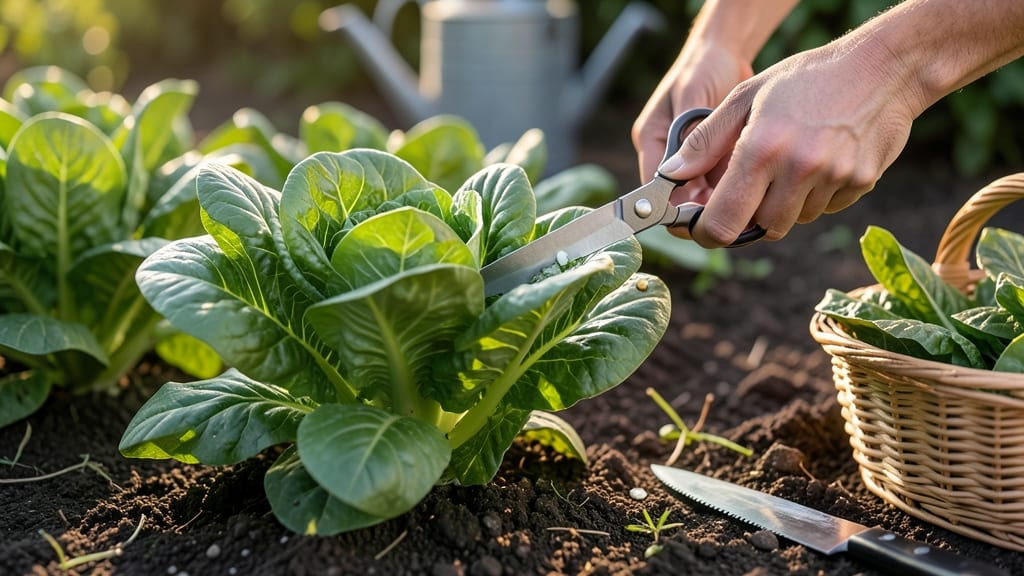
To harvest romaine lettuce so it keeps growing, you’ll need to master the cut-and-come-again method—where you trim just the outer leaves and let the inner core regenerate.
Romaine lettuce 🥬 is one of the fastest-growing greens in your garden—but if you harvest it wrong, you’ll lose your entire plant in weeks. The secret to a never-ending supply? Mastering the 'cut-and-come-again' technique, which keeps your lettuce thriving while you enjoy fresh harvests for months.
This method isn’t just about trimming leaves—it’s about timing, tools, and knowing when to stop. Cut too much, and you stunt regrowth; cut too little, and you waste potential harvests.
Below, I’ll walk you through the exact steps, from choosing the right leaves to post-harvest care that keeps your romaine producing like a machine.
You’ll also learn how to spot early signs of stress, avoid common mistakes, and even extend your harvest season with simple adjustments. Ready to turn your garden into a year-round lettuce factory?

Step-by-step cut-and-come-again harvesting method for romaine lettuce
Romaine lettuce thrives when you use the cut-and-come-again method, which lets you harvest fresh leaves repeatedly without killing the plant. The key is removing only outer leaves while preserving the inner growth point.
This technique works because romaine’s regrowth center remains intact, allowing new leaves to form for weeks or months of continuous harvests.
Timing is everything—wait until your romaine reaches 6-8 inches tall with at least 3-4 mature outer leaves. Harvesting too early stunts growth, while waiting too long risks bolting (premature flowering). Always use clean, sharp scissors or pruning shears to avoid tearing leaves, which can introduce disease.
The science behind this method is simple: by removing only 1/3 of the plant at a time, you maintain the leafy green’s energy balance. The plant redirects resources to regrow outer leaves while keeping its core healthy.
This approach can extend your harvest season by 4-6 weeks compared to a single-cut harvest.
Before harvesting, check for signs of readiness: crisp, dark green leaves with firm stems. Avoid harvesting if leaves feel mushy or taste bitter—these are signs of stress or over-maturity. Also, choose a cool morning for harvesting to reduce stress on the plant.
Now, let’s dive into the exact steps to harvest romaine lettuce while ensuring it keeps growing strong:
🌱 Step-by-Step Cut-and-Come-Again Harvesting Guide
- Step 1: Identify the outer leaves—these are the ones ready for harvest. Look for fully elongated, deep green leaves.
- Step 2: Hold the romaine’s base firmly with one hand to stabilize it. Use your other hand to cut leaves at a 45-degree angle, about 1 inch above the next set of leaves.
- Step 3: Remove only 1/3 of the plant to avoid over-stressing it. Never cut into the inner core or the plant may not regrow.
- Step 4: Use sterilized scissors or pruners to make clean cuts. Avoid tearing leaves, which can invite pests or disease.
- Step 5: Harvest in the morning when leaves are crisp and hydrated. This minimizes stress on the plant.
- Step 6: After harvesting, water deeply to replenish moisture lost during cutting. Aim for 1 inch of water per week.
- Step 7: Apply a light nitrogen fertilizer (like fish emulsion) 1-2 weeks post-harvest to encourage regrowth. Avoid over-fertilizing, which can cause bolting.
- Step 8: Monitor the plant for new growth in 2-3 weeks. If leaves bolt (send up a tall flower stalk), trim the stalk immediately to redirect energy to leaf production.
After harvesting, your romaine lettuce will need extra care to bounce back. Keep the soil consistently moist but not waterlogged, as drought stress can trigger bolting. Mulch around the base with straw or compost to retain moisture and suppress weeds, which compete for nutrients.
If your romaine starts to yellow or wilt after harvesting, it may be stressed. Revive it by trimming any damaged leaves and giving it a balanced fertilizer (like 10-10-10). Avoid heavy-handed care—romaine is delicate and recovers best with gentle, consistent maintenance.
With the right technique, you can enjoy continuous harvests for months. The first cut-and-come-again harvest is the most critical—once you master it, your romaine will reward you with crisp, fresh leaves for salads, wraps, or garnishes all season long.
Pro tip: Label your romaine plants with the harvest date to track regrowth cycles. This helps you plan future harvests and adjust care as needed. Happy harvesting!
Common mistakes that stop romaine lettuce from regrowing (and how to fix them)
Even with the perfect cut-and-come-again technique, romaine lettuce can still fail to regrow if you make these common mistakes. The biggest culprit? Over-harvesting—cutting too much at once or damaging the inner core where new leaves form.
I’ve seen gardeners trim entire heads, leaving nothing but a stump, and wonder why their lettuce bolts or dies within days.
Another frequent error is harvesting at the wrong time of day. Cutting romaine in the hot afternoon stresses the plant, while harvesting in the evening can trap moisture, inviting fungal diseases like downy mildew.
Even the wrong season matters—romaine planted in late summer often bolts prematurely if exposed to heat waves.
Poor post-harvest care is equally damaging. Skipping deep watering after cutting leaves forces the plant into survival mode, stunting regrowth. I’ve also noticed many gardeners forget to fertilize after harvesting, leaving the plant nutrient-depleted. Without a quick boost of nitrogen-rich fertilizer, romaine struggles to bounce back.
Mistake: Cutting more than 1/3 of the plant at once or damaging the inner core.
Fix: Always leave the central growth point intact. Use sharp scissors to cut outer leaves only, about 1 inch above the next set of leaves. If you accidentally cut too much, trim the damaged area and focus on reviving the core with consistent water and a light nitrogen feed.
Signs of Over-Harvesting: Yellowing leaves, stunted growth, or a woody stem.
Recovery Tip: If your romaine looks stressed, remove all damaged leaves and apply compost tea to boost recovery. Avoid fertilizing until new growth appears.
Watch for early warning signs of stress in your romaine. Yellowing leaves often signal nutrient deficiency, while crispy edges mean the plant is thirsty. If you notice bolting (tall flower stalks), act fast—trim the stalk immediately to redirect energy to leaf production.
I’ve saved many romaine plants this way, even when they looked doomed.
One often-overlooked issue is poor soil conditions. Compacted or waterlogged soil suffocates roots, preventing regrowth. If your romaine sits in soggy soil, amend it with compost or perlite to improve drainage. Mulching with straw also helps maintain even moisture levels, which is critical after harvesting.
To revive a struggling romaine, start with gentle care. Trim any yellow or damaged leaves to redirect energy to healthy growth. Water deeply in the morning and apply a balanced fertilizer (like 10-10-10) every 3-4 weeks. Avoid heavy-handed solutions—romaine recovers best with consistent, low-stress maintenance.
With these fixes, your romaine can regrow crisp, fresh leaves for weeks after harvesting. The key is patience and precision—avoid common pitfalls, and your lettuce will keep producing like a well-oiled machine. Happy gardening! 🌱