
How To
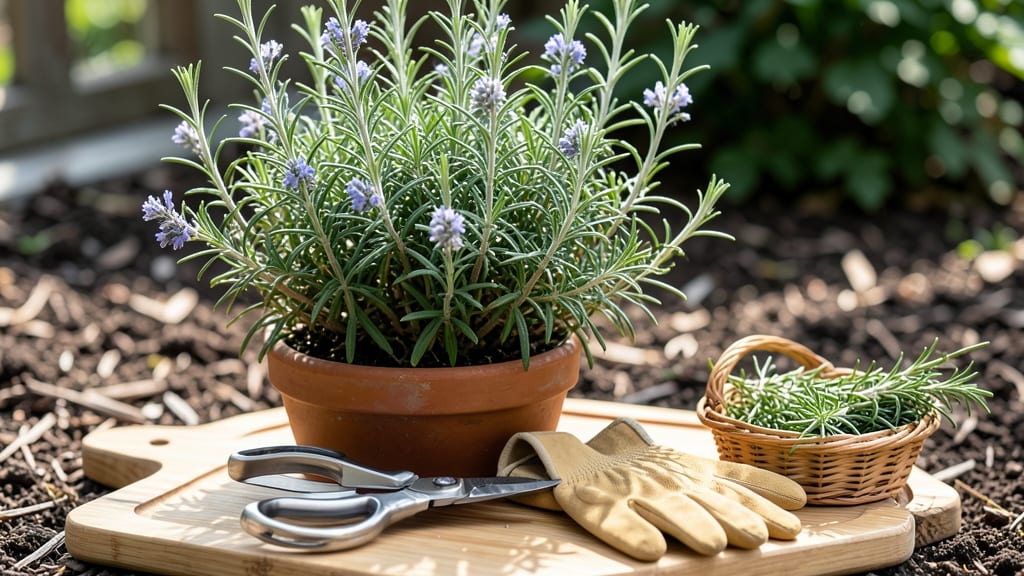
Harvesting rosemary from your plant at the right time boosts flavor and keeps it lush—here’s how to do it perfectly.
Picture this: you snip a sprig of 🌿 rosemary just before it flowers, and the aroma fills your kitchen like a Mediterranean breeze. That’s the magic of timing—harvest too early, and the flavor is weak; too late, and the plant loses its shape.
The secret lies in knowing when to cut, what tools to use, and how to store it so every sprig stays vibrant.
Whether you’re growing rosemary in Zone 6a or a mild climate, the best time to harvest is spring through early fall, when the plant is mature and the leaves are fragrant.
You’ll learn how to prune for bushier growth, avoid over-harvesting, and even revive wilted sprigs so your herb garden stays productive all season.
From fresh sprigs for cooking to dried bundles for long-term use, this guide covers everything—so you’ll never waste a single aromatic leaf again.

Best time to harvest rosemary for optimal flavor and plant health
Timing your rosemary harvest is the secret to unlocking its boldest flavor while keeping your plant lush and healthy. I’ve learned that harvesting at the right stage—before flowering—concentrates the essential oils that give rosemary its signature piney aroma.
This also encourages bushier growth by promoting new shoots from the base.
For most gardeners, the ideal harvest window spans from late spring through early fall, when temperatures are mild and growth is active. In my USDA Zone 6a garden, I start harvesting in May and continue until September, avoiding the heat stress of summer’s peak.
If you live in warmer climates, you can harvest year-round!
Your rosemary plant should be at least 3-5 months old before its first harvest. Look for these maturity signs: dark green, fragrant leaves; woody yet flexible stems; and a height of 6+ inches.
Young plants under 4 inches tall are still developing their root systems and won’t recover well from pruning.
Harvesting before flowering is critical—once those blue-purple blooms appear, the plant redirects energy to seed production, and the leaves become less aromatic. I always snip just above a leaf node (where new growth emerges) to stimulate branching. This technique keeps my rosemary compact and productive for years.
| Climate Zone | Best Harvest Window | Key Growth Stage | Avoid Harvesting When |
|---|---|---|---|
| Zones 3-5 (Cold Climates) | Late May - Early September | After last frost, before first blooms | Winter (dormant), extreme heat |
| Zones 6-8 (Temperate) | April - October | New growth phase, pre-flowering | Peak summer heatwaves |
| Zones 9-11 (Warm/Mediterranean) | Year-round (moderate harvests) | Active growth periods | After heavy rains (soil saturation) |
| Container-Grown (Any Zone) | March - November | 3-4 months post-transplant | When soil is bone-dry |
Morning is the best time of day to harvest rosemary because the essential oils are most concentrated after overnight cooling. I always use clean, sharp pruning shears to make clean cuts just above a leaf node.
This prevents damage and encourages new side shoots to form, creating a fuller bush over time.
Never harvest more than 1/3 of the plant in a single session, especially for young rosemary. Over-harvesting stresses the plant and can lead to woody stems or even death.
My rule of thumb: if the remaining stems look sparse or leggy, wait 4-6 weeks before harvesting again. Patience pays off with healthier, more flavorful growth.
If your rosemary flowers, you can still harvest the leaves—but expect milder flavor. The blooms themselves are edible and add a lovely touch to dishes, but focus on harvesting leafy stems for the strongest aroma.
After flowering, I often give my plants a light trim to shape them and remove spent blooms, which encourages a second flush of growth.
For container-grown rosemary, harvest more frequently (every 2-3 weeks) since they have limited root space. I’ve found that potted rosemary benefits from regular pruning to prevent root-bound stress. Just ensure the container has drainage holes and you’re not overwatering—rosemary hates soggy roots!
One common mistake I see is harvesting only the top leaves, which can leave the plant looking bald and leggy. Instead, always cut 3-4 inch stems from the outer edges of the plant.
This maintains a compact shape while maximizing your yield. With the right timing and technique, your rosemary will thrive and reward you with years of aromatic harvests.
Step-by-step rosemary harvesting techniques for fresh and dried use
Harvesting rosemary correctly ensures your plant stays lush and productive while delivering the boldest flavor. Start by gathering your tools: a pair of clean, sharp pruning shears or scissors. Avoid using dull blades, as they crush stems and damage the plant.
For fresh use, harvest sprigs in the morning when essential oils are at their peak—this is when your rosemary will be most fragrant and flavorful.
When harvesting, focus on cutting 1/3 of the plant’s stems at a time. This encourages bushier growth and prevents over-harvesting, which can stress the plant. Aim for stems that are 3-4 inches long, as these provide enough leaves for cooking or drying without leaving bare stems behind.
Always cut just above a set of leaves or a leaf node to promote new growth from that point.
For fresh rosemary, store harvested sprigs in a sealed container with a damp paper towel to retain moisture. Place them in the refrigerator’s crisper drawer for up to 1 week.
If you notice wilting, trim the ends and revive them in cool water before using. This method keeps the leaves vibrant and flavorful for cooking or garnishes.
If you’re preparing rosemary for drying, bundle the stems together and hang them upside down in a dry, dark, and well-ventilated area. Choose a spot with low humidity to prevent mold. After 2-3 weeks, the leaves will crumble easily between your fingers—this signals they’re ready.
Store dried rosemary in an airtight container away from light to preserve its aroma for up to 6 months.
Remember, regular pruning keeps your rosemary plant compact and encourages new growth. Avoid cutting into old, woody stems, as they won’t regrow. With these techniques, your rosemary will thrive year after year, providing a steady supply of fragrant sprigs for all your culinary and crafting needs.