
How To
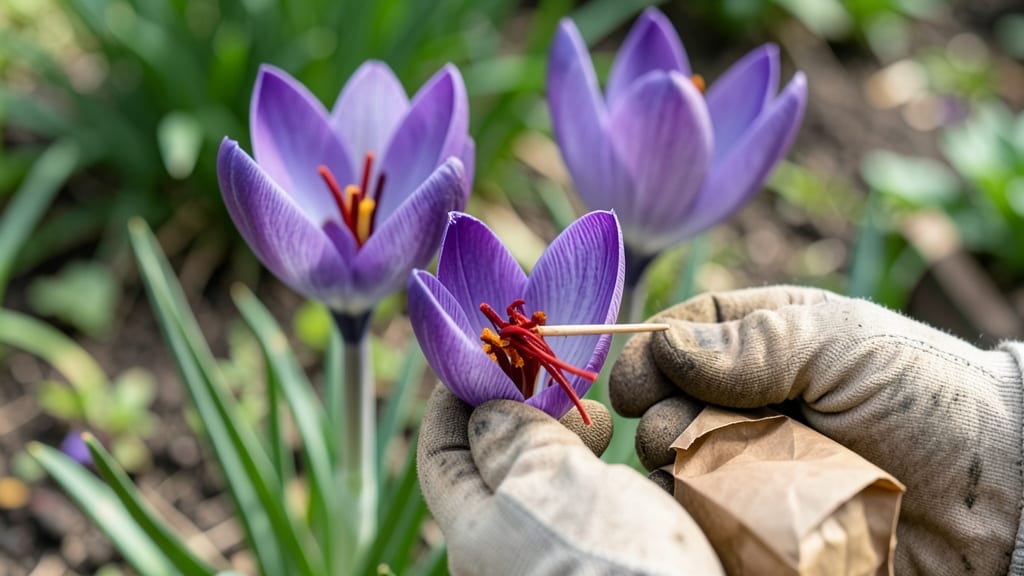
Harvesting saffron from crocus flowers at the right time transforms a delicate task into a rewarding bounty of golden threads.
Picture this: the world’s most expensive spice, hidden inside the tiny purple blooms of your Saffron Crocus 🌼—but one wrong move, and you’ll end up with brittle threads or no yield at all.
The difference between a royal kitchen’s prized spice and a failed harvest often comes down to timing, tools, and technique.
You’re about to learn the exact moment to pluck those vibrant stigmas, how to handle them without damage, and the drying secrets that preserve their rich flavor. Whether you’re a first-time grower or refining your method, these steps will help you maximize every thread from your fall-blooming Saffron Crocus.
From recognizing the perfect bloom to storing your harvest for months, this guide covers every detail—so you can turn your backyard into a saffron goldmine, thread by thread.

Optimal saffron harvesting time: when to Pick Crocus flowers for maximum thread yield
Timing is everything when harvesting saffron from Crocus sativus flowers. The 3-5 red stigmas hidden within each purple bloom must be picked at their peak—too early, and they’re underdeveloped; too late, and they lose potency.
I’ve found the golden window is 6-8 AM on cool, dry mornings after dew evaporates but before the sun intensifies.
Weather plays a crucial role—humidity above 60% can make stigmas sticky and prone to mold. Aim for clear skies and temperatures between 55-75°F. I always check the forecast the night before; if rain is predicted, I harvest early to avoid damp stigmas that compromise quality.
Look for fully unfurled petals with bright purple hues as your first clue. The stigmas should be vibrant orange-red and slightly dry to the touch, not brittle. If they’re still pale yellow or greenish, they’re not ready—wait another 12-24 hours.
Never harvest after 10 AM when stigmas start to wilt. The heat causes them to darken and lose their signature aroma. I once waited until noon and ended up with 50% less yield—a costly lesson! Always prioritize early morning harvesting for the best results.
Use a sharp pair of scissors or your fingernail to gently snip the stigmas from the flower’s center. Avoid pulling them—this can damage the delicate threads or leave parts behind. I recommend wearing gloves to protect your hands from the sticky sap that can stain skin.
Harvesting only the stigmas is critical; the style (white base) is discarded. Each flower yields about 3-5 threads, but only if handled correctly. I’ve seen beginners waste up to 30% of their yield by mishandling the extraction process—don’t let that be you!
If you miss the morning window, you can harvest again the next day, but never on consecutive days. The Crocus plant needs time to recover, and over-harvesting weakens it. I typically harvest once every 2-3 days during peak bloom to balance yield and plant health.
Store freshly harvested stigmas in a paper envelope (never plastic) in a cool, dark place until you’re ready to dry them. I’ve found that air-drying on a clean mesh screen for 2-3 hours preserves their color and aroma better than heat methods.
Remember, patience is key—rushing the harvest leads to lower quality and reduced yield. When done right, your homegrown saffron will rival the finest Spanish or Iranian varieties. Happy harvesting! 🌼
Step-by-step guide to extracting saffron threads without wasting a single stigma
Extracting saffron threads from Crocus sativus flowers requires patience and precision. Each vibrant purple bloom contains just 3 delicate stigmas, so proper technique ensures you don’t waste a single golden thread.
I’ve harvested saffron for years, and these steps will help you maximize your yield while preserving the spice’s potency and color.
Start by gathering your tools: soft tweezers, latex gloves, a small bowl, and a clean, dry surface. Work quickly in the morning when stigmas are at their peak freshness.
The key is to handle the flowers gently but firmly—saffron threads are fragile and can break easily, reducing your harvest’s quality.
How to Harvest Saffron From Crocus
- 1 Pick fully open flowers: Select Crocus sativus blooms with bright purple petals that are fully unfurled. Avoid flowers that are still closed or wilting.
- 2 Gently remove the stigma bundle: Use your thumb and index finger to pinch the base of the three stigmas (the orange-red threads) and pull them straight out. Avoid tugging on the style (the white base).
- 3 Separate the stigmas: Lay the bundle on your clean surface and use tweezers to gently tease apart the three stigmas. Discard the white style and any damaged threads.
- 4 Dry the stigmas immediately: Spread the threads on a paper towel or parchment paper in a single layer. Place them in a cool, dark, dry place (like a shady windowsill) for 24 hours.
- 5 Store in an airtight container: Once fully dry (they should be brittle and crumbly), transfer the threads to a dark glass jar with a tight-sealing lid. Keep them in a cool, dark place to preserve their aroma and color for up to 2 years.
Never rush the drying process—moisture ruins saffron. If you harvest a large batch, spread the stigmas out in thin layers to ensure even drying. Store them away from light and heat, as these can degrade the volatile oils that give saffron its signature flavor and color.
Pro tip: Label your jar with the harvest date and location (e.g., "Garden Patch, Oct 2023"). This helps track freshness, especially if you’re storing multiple batches. A little organization goes a long way when dealing with a spice as precious as saffron!
With practice, you’ll develop a light touch that minimizes waste. Remember, every single stigma counts—treating each flower with care ensures your saffron will be as luxurious and potent as the finest commercial varieties. Happy harvesting! 🌼