
How To
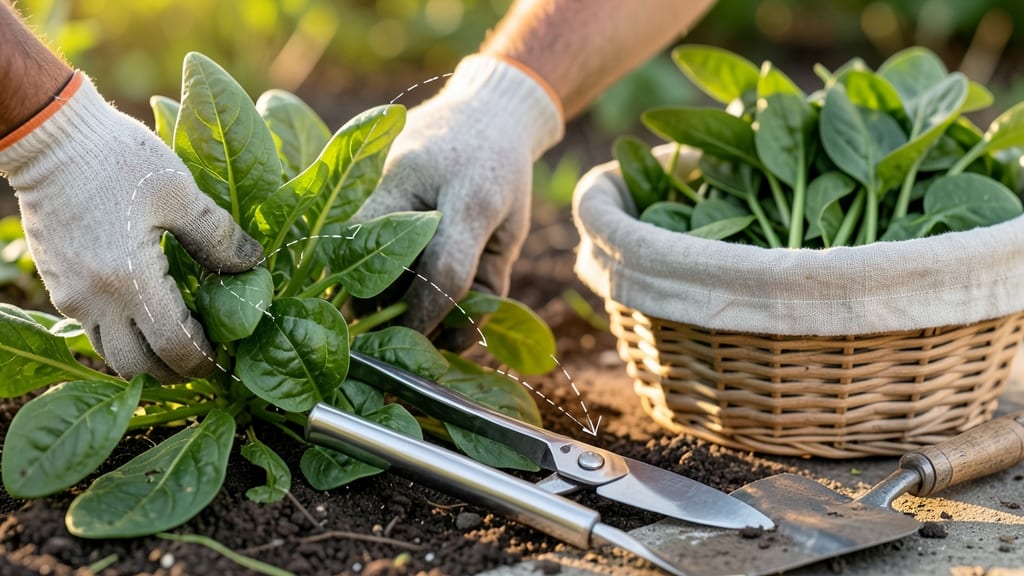
Harvesting spinach so it keeps growing means cutting leaves at the right time and in the right way—leaving the inner growth center intact to fuel new leaves.
Want a never-ending supply of fresh spinach without replanting? The secret lies in mastering the cut-and-come-again method, where you trim outer leaves while preserving the plant’s core. Skip this step, and you’ll end up with a patchy, bolting mess instead of a thriving 🌱 harvest.
Timing is everything—wait until leaves reach 4-6 inches before snipping, and always avoid pulling entire leaves. This simple technique keeps your spinach bushy, productive, and ready for your next salad in just 7-10 days.
Below, I’ll walk you through the exact steps, from tools to avoid to when to fertilize for maximum regrowth. No more wasted effort—just lush, continuous spinach all season long.

Step-by-step guide to cut-and-come-again spinach harvesting
Mastering the cut-and-come-again method for spinach is the key to a continuous harvest without replanting. Unlike pulling the whole plant, this technique focuses on selective leaf removal to preserve the growth center.
When done correctly, your spinach will reward you with bushier regrowth and a steady supply of fresh leaves.
The right timing and technique make all the difference. Harvesting too early or too aggressively can stress the plant, while waiting too long may lead to bolting (flowering).
For best results, aim to harvest when leaves reach 4-6 inches long and are bright green. This ensures your spinach stays tender and productive for weeks.
Choose the Right Tools
Use a sharp pair of scissors or clean pruning shears to make precise cuts. Avoid tearing leaves, which can damage the plant and invite pests or disease. A small hand trowel can also help if you need to loosen soil around roots.
Identify Mature Leaves
Look for outer leaves that are fully grown—typically 4-6 inches long—while leaving the inner, younger leaves untouched. These younger leaves will continue growing and replace the harvested ones.
Cut at the Base
Hold the leaf firmly and cut it just above the soil line or where the leaf meets the stem. This encourages new side shoots to grow from the remaining stem. Never pull leaves—this can uproot the plant or damage the growth center.
Limit Your Harvest
Remove no more than 1/3 of the plant at a time. Over-harvesting weakens the spinach and can lead to stunted growth or premature bolting. If you harvest too much, the plant may struggle to recover.
Post-Harvest Care
After harvesting, water the plant deeply to replenish moisture lost during cutting. Add a light layer of compost around the base to provide nutrients for regrowth. Avoid fertilizing immediately after harvest—wait 1-2 weeks to let the plant recover.
Monitor for Regrowth
Within 7-10 days, you should see new leaves emerging from the center of the plant. If regrowth is slow, check for adequate sunlight (4-6 hours daily) and consistent moisture. Adjust care as needed to encourage faster recovery.
One of the biggest mistakes gardeners make is harvesting too aggressively in hot weather. Spinach is a cool-season crop, and temperatures above 75°F (24°C) can cause it to bolt prematurely. To avoid this, prioritize harvesting in spring or fall when temperatures are mild.
Not all spinach varieties are equal when it comes to cut-and-come-again harvesting. Baby leaf varieties like 'Baby’s Leaf Hybrid' or 'Tyee' are ideal because they regrow well after harvesting. Avoid savoy varieties, which tend to be more delicate and may not recover as vigorously.
For container growers, the same principles apply, but be mindful of space constraints. In pots, spinach has limited room to regrow, so harvest even more conservatively—removing only the outermost leaves and leaving the center intact. This ensures the plant isn’t overcrowded and can still produce.
With practice, you’ll develop a feel for when your spinach is ready for another harvest. Always inspect leaves for pests before cutting—remove any damaged or infested leaves immediately to protect the rest of the plant. A healthy spinach patch is the foundation of a successful cut-and-come-again system.
🌱
How often to harvest spinach for continuous growth
Harvesting spinach at the right intervals keeps your plants producing lush, tender leaves for weeks. The key is balancing frequency with plant recovery, especially since spinach grows best in cool seasons like spring and fall.
Over-harvesting stresses plants, while under-harvesting can lead to bolting (flowering prematurely). Let’s break down the ideal schedule by season and plant stage.
For spring harvests, aim to pick spinach every 7-10 days once leaves reach 4-6 inches. In fall, extend this to 10-14 days as cooler temps slow growth.
Always leave the inner leaves and growth center intact—this ensures the plant keeps producing. Young plants need gentler harvesting, while mature plants can handle slightly more frequent cuts.
- 1
- 2
- 3
- 4
- 5
Environmental factors like temperature and moisture directly impact harvest frequency. If your spinach starts sending up a flower stalk, it’s bolting—this means you’ve waited too long between harvests or the weather turned too warm.
To fix this, trim the stalk immediately and focus on leaf regrowth rather than further harvesting.
Pro tip: Use a small hand pruner or clean scissors to cut leaves at the base. This minimizes damage and speeds up regrowth. Always harvest in the morning when leaves are crispest and most flavorful. After harvesting, water deeply to replenish moisture lost during the process.
For perennial varieties like 'Bloomsdale Long Standing,' you can extend harvests into early summer by providing afternoon shade. Just remember: consistency is key. Stick to your harvest schedule, and your spinach will reward you with continuous growth all season long.