
How To
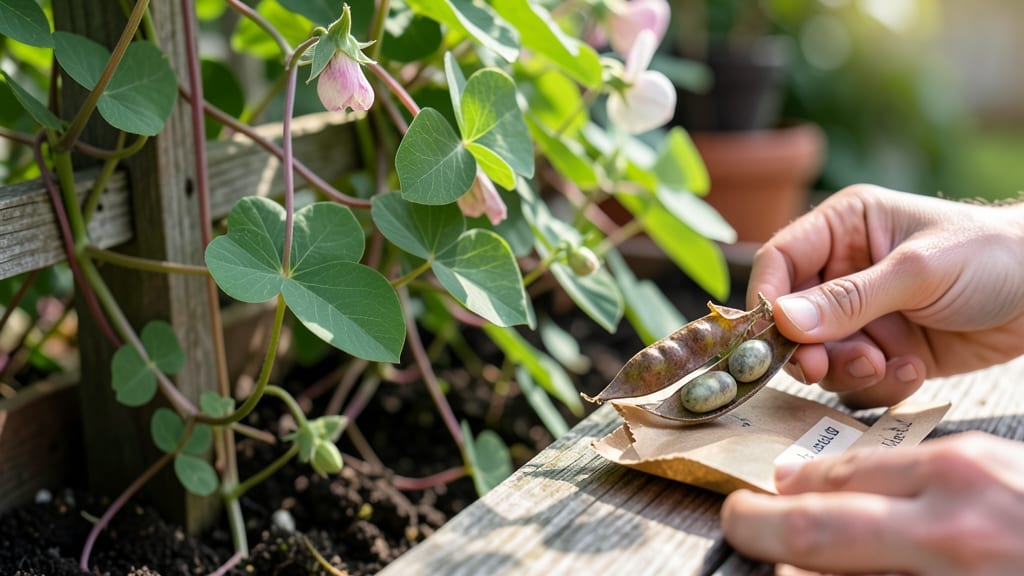
To harvest sweet pea seeds successfully, you’ll need to time the pod ripening perfectly — a window that’s too early or too late spells the difference between viable seeds and empty shells.
Sweet peas aren’t just beautiful climbers—they’re seed-saving goldmines. But harvesting viable seeds requires precision timing and technique, or you’ll end up with empty pods instead of next year’s garden treasure.
Picture this: you’ve spent months coaxing those fragrant 🌸 sweet peas up your trellis, and now the pods are drying on the vine. One wrong move, and your hard work turns to dust.
The key? Knowing when those pods are just right—neither too green nor too brittle—and how to handle them once they’re ready.
In this guide, I’ll walk you through the exact steps to identify ripe pods, harvest them without damage, and dry them properly for seeds that’ll sprout strong next spring. No guesswork, just proven methods for gardeners who want to save seeds like a pro.

When and how to identify perfectly ripe sweet pea seed pods
Sweet pea seed pods mature at different rates depending on your climate zone and variety. In most regions, pods typically reach harvest readiness 90-120 days after planting, but visual cues matter more than days alone.
The key is catching them at the perfect ripeness window—too early and seeds won’t germinate; too late and they’ll shatter or attract pests.
Start monitoring pods when they transition from green and plump to a dull brown color. This color shift indicates the photosynthesis process has completed, and the pod is drying out.
Pay attention to pods that form near the top of the vine first, as they often mature earliest due to better sunlight exposure.
| Ripeness Stage | Pod Appearance | Seed Condition | Harvest Action |
|---|---|---|---|
| Not Ready | Green, firm, glossy | Seeds soft, no rattling | Leave on vine |
| Early Ripening | Light tan, slightly papery | Seeds firm, slight rattle | Monitor daily |
| Perfectly Ripe | Dull brown, dry, splits easily | Seeds hard, loud rattle | Harvest immediately |
| Overripe | Dark brown, brittle, splits open | Seeds loose or missing | Collect remaining seeds |
🌾 Pro Tip: Use a paper bag to collect pods—it reduces seed loss and prevents scattering.
A touch test is your best friend when checking ripeness. Gently squeeze a pod—if it feels dry and papery with a loud rattle inside, it’s ready. Unripe pods will feel firm and green, while overripe ones may crumble or split open at the slightest touch.
For heirloom varieties, this test is especially critical since some strains have thinner pods that shatter easily.
Watch for pod splitting, a natural sign of maturity. When pods begin to crack open along their seams, seeds are typically ready. However, don’t wait until pods split open completely—this increases the risk of seed loss from wind or pest contamination.
Instead, harvest pods that are just starting to split or are fully brown but still intact.
Morning is the ideal harvesting time because dew has evaporated, making pods easier to handle. Avoid harvesting after rain, as moisture can accelerate decay and reduce seed viability. If you must harvest wet pods, spread them on paper towels in a well-ventilated area to dry before storing.
Discard any pods showing signs of mold or rot, which appear as black spots or fuzzy growth. These indicate fungal infection, which can contaminate your entire seed batch.
Also avoid pods with holes from pests like weevils or slugs, as they may have compromised seeds inside. Healthy pods should feel lightweight and dry to the touch.
For longer storage, prioritize pods from the healthiest vines—those with dark green leaves and no yellowing. These plants produce seeds with the highest germination rates. If your sweet peas are struggling with disease or nutrient deficiency, the resulting seeds may not perform well next season.
Once you’ve identified perfectly ripe pods, act quickly! Seeds can lose viability within 24-48 hours of pod opening. Store harvested pods in a cool, dark place with low humidity (like a paper envelope) until you’re ready to dry and clean them thoroughly.
🌿 Remember: The earlier you harvest, the better your seed quality. Don’t let perfect pods sit on the vine—timing is everything for viable sweet pea seeds!
Step-by-Step seed pod harvesting and drying process for maximum viability
Once you’ve identified your perfectly ripe sweet pea pods, it’s time to harvest and dry them properly. The key to high seed viability lies in gentle handling and controlled drying.
Rushing this process can lead to moldy seeds or poor germination rates—so take your time and follow these proven techniques.
Start by harvesting pods on a dry, sunny day when humidity is low. This minimizes the risk of moisture-related issues during drying. Use clean, sharp pruning shears or scissors to snip pods from the vine, leaving a small stem attached.
Avoid pulling pods directly, as this can damage the plant or cause seeds to spill prematurely.
How to Harvest Sweet Pea Seeds
- 🌾 Step 1: Gather Supplies
Collect clean paper bags or envelopes, a sharp pair of scissors, and a labeling marker. - 🌿 Step 2: Harvest Pods
Snip brown, dry pods from the vine, ensuring they’re fully mature but not yet split open. - 🔍 Step 3: Inspect for Quality
Discard any pods with holes, mold, or soft spots—these won’t yield viable seeds. - 📝 Step 4: Label Immediately
Write the variety name and harvest date on each bag to track your seeds. - 🌞 Step 5: Dry the Pods
Spread pods in a single layer on paper towels in a warm, dry, well-ventilated area (like a mesh bag in a sunny spot). - ⏳ Step 6: Monitor Drying Time
Drying takes 2-4 weeks depending on humidity. Pods are ready when they’re completely dry and brittle. - 🌱 Step 7: Extract Seeds
Once dry, gently crush the pods to release seeds. Store them in airtight containers in a cool, dark place.
After harvesting, drying your sweet pea pods correctly is non-negotiable for seed viability. Place pods in a well-ventilated area with indirect sunlight to prevent overheating. A mesh bag or paper bag works best—avoid plastic, which traps moisture and encourages mold.
Check pods weekly; they’re ready when seeds rattle freely inside and the pod walls are paper-thin and crumbly.
Store dried seeds in paper envelopes or airtight glass jars with a silica gel packet to absorb excess moisture. Label each container with the variety name, harvest year, and germination date (typically 2-3 years for sweet peas).
Keep them in a cool, dark pantry—never the fridge, as temperature fluctuations can reduce viability.
Troubleshooting is key when seed-saving fails. If your pods mold before drying, increase airflow by moving them to a drier location or using a fan on low. For premature pod drop, harvest more frequently or choose disease-resistant varieties next season.
And if seeds fail germination tests, they may have been stored too long—replace them with fresh stock.
With these techniques, you’ll transform your sweet pea harvest into a reliable seed source for years to come. Happy saving—and may your next garden bloom with heirloom beauty! 🌸