
How To
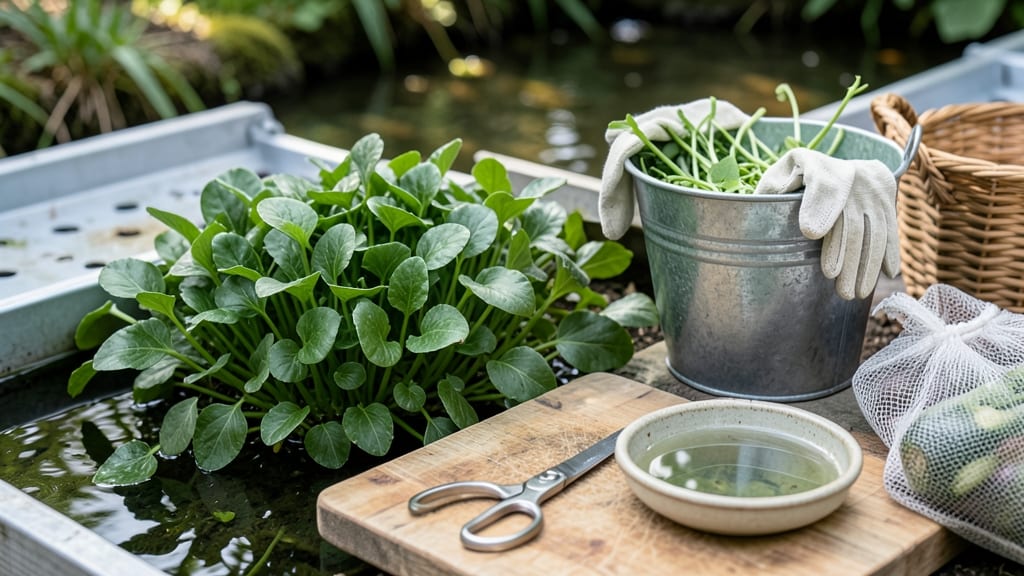
To harvest watercress at its peak flavor and regrowth potential, focus on timing and technique—cutting too early or too late can turn your crop bitter or stunted.
Watercress isn’t just a superfood—it’s a fast-growing, nutrient-packed green that rewards patience with the freshest flavor. But timing your harvest wrong can mean bitter leaves or stunted plants. Here’s how to pick watercress at the perfect moment for peak taste, continuous growth, and minimal stress on your crop.
Start by harvesting when leaves reach 2–4 inches in length, ensuring they’re bright green and glossy with a mild, fresh taste. Avoid cutting woody stems or small leaves, as these signs mean the plant isn’t ready yet.
Below, I’ll walk you through the best tools, cutting methods, and post-harvest care to keep your watercress thriving—so you can enjoy a steady supply all season long.

Optimal watercress harvesting times: when to pick for best flavor and regrowth
Timing your watercress harvest is everything—pick too early, and you’ll waste tender leaves; too late, and you risk bitter flavors or woody stems. The ideal harvest window depends on seasonal cues, leaf maturity, and even your local climate conditions.
In most regions, watercress thrives from late spring to early fall, but the perfect moment arrives when leaves reach 2–4 inches and stems stay flexible. This balance ensures both peak flavor and regrowth potential.
For year-round growers in mild climates (like USDA Zone 7+), you can harvest every 2–3 weeks without stressing the plant. But in cooler zones, focus on spring and summer harvests—watercress slows in fall frost and may become less tender.
Pay attention to temperature shifts: harvests in 70–80°F yield the sweetest leaves, while extreme heat or cold snaps can trigger bitterness or stunted growth.
Here’s the golden rule: Harvest watercress before flowering. Once the plant bolts, leaves toughen and flavor deteriorates rapidly. Look for bright green, glossy foliage with no yellowing edges—these are visual cues your crop is ready.
In shallow water gardens, leaves may mature faster (every 3–4 weeks), while soil-grown plants can take 4–6 weeks to reach harvest size.
| Harvest Stage | Leaf Size | Stem Condition | Flavor Profile | Best Time to Pick |
|---|---|---|---|---|
| Early Growth | 1–2 inches | Tender, thin | Mild, slightly sweet | Avoid—leaves too small |
| Optimal Harvest | 2–4 inches | Flexible, not woody | Fresh, peppery, sweet | Perfect time! Every 2–3 weeks |
| Over-Mature | 4+ inches | Stiff, woody | Bitter, strong | Avoid—harvest too late |
| Flowering Stage | Large, coarse | Tough, fibrous | Extremely bitter | Stop harvesting; reset plant |
Morning harvests are ideal because leaves are crispest and most flavorful after a night’s rest. Avoid picking in midday heat—this stresses plants and can cause wilting or sunburn on exposed stems.
If you’re growing watercress in shallow water, check leaves daily during spring and summer; they grow faster in cooler water (50–60°F) than in soil.
Pro tip: Rotate your harvests to encourage even regrowth. Never take more than ⅓ of the plant at once—this keeps your crop productive and prevents nutrient depletion. After harvesting, trim stems just above a leaf node (the bump where leaves attach) to stimulate new growth.
This simple technique can double your yield over a season!
Seasonal timing matters too. In spring, watercress bolts faster in warmer zones (like Zone 8+), so harvest aggressively every 2 weeks to stay ahead.
In fall, slow growth means spaced-out harvests—wait until leaves hit 3+ inches before cutting. Winter growers in mild climates can still harvest, but expect slower regrowth and smaller leaves.
Watch for environmental stress signs like yellowing leaves or stunted growth—these often mean it’s time to pause harvesting and focus on care. Increase watering frequency if your soil dries out, or move potted plants to shadier spots during heatwaves.
A healthy plant will bounce back with vibrant regrowth in just 10–14 days.
For continuous harvests, plant new batches every 4–6 weeks in spring and summer. This staggered approach ensures you always have fresh, tender leaves without overworking any single plant.
Just remember: consistency is key—skipping harvests leads to bolting, while over-harvesting weakens your crop. Balance is the secret to year-round watercress success.
Finally, store harvested watercress properly to preserve its freshness. Wrap leaves in a damp paper towel and refrigerate for up to 5 days, or rinse
Step-by-step guide to harvesting watercress without damaging your plants
Harvesting watercress correctly ensures you get the tenderest leaves while keeping your plants healthy and productive. The key lies in using the right cutting technique and knowing how much to remove per harvest.
Unlike many herbs, watercress responds well to regular harvesting, but overdoing it can stress the plant or lead to bitter regrowth.
I recommend harvesting no more than one-third of the plant at a time to maintain its vigor. This balance allows the plant to recover quickly while still providing a steady supply of fresh greens.
For example, if your watercress patch is 1 square foot, harvest about 4–6 inches of leaves per plant during each session.
How to Harvest Watercress: Step-by-Step
- 🌿 Choose the right tools: Use clean, sharp pruning shears or a sharp knife. Avoid tearing leaves, which can damage the plant and invite pests.
- 💧 Water the soil first: Lightly water the area around the plants 1–2 hours before harvesting. This keeps the leaves tender and hydrated, making them easier to cut cleanly.
- ✂️ Cut above a leaf node: Snip the stem just above a leaf node (where new leaves grow). This encourages the plant to branch out and produce more leaves.
- 🌱 Harvest outer leaves first: Focus on the older, larger leaves on the outer edges. These are fully mature and won’t stunt the plant’s growth.
- 📏 Leave at least 2–4 inches of growth: Never remove more than one-third of the plant in a single harvest. This ensures the plant has enough energy to regrow quickly.
- 💡 Avoid harvesting in extreme heat: Wait until morning when leaves are cool and crisp. Harvesting in the heat can cause the leaves to wilt or develop a bitter taste.
- 🌧️ Post-harvest care: After cutting, water the soil deeply to replenish moisture. Add a light nitrogen fertilizer (like fish emulsion) to encourage rapid regrowth.
After harvesting, your watercress should bounce back within 7–10 days if given proper care. I’ve found that watering immediately after harvest and applying a balanced fertilizer (like 5-5-5) every 4–6 weeks keeps my plants thriving. Avoid over-fertilizing, though—too much nitrogen can lead to leafy but flavorless growth.
One common mistake I see is harvesting watercress when the leaves are still small (less than 1 inch). These tiny leaves are tough and bitter, and removing them stresses the plant unnecessarily. Always wait until the leaves reach 2–4 inches for the best flavor and texture.
To maximize your harvest, I recommend setting a weekly harvesting schedule during peak growing months (spring and fall). In warmer climates, you can harvest every 5–7 days. Just remember: consistency is key—regular, light harvests yield the best results over time.
With these steps, you’ll enjoy a continuous supply of fresh watercress all season long, without sacrificing plant health or flavor. Happy harvesting! 🌿