
Vegetables
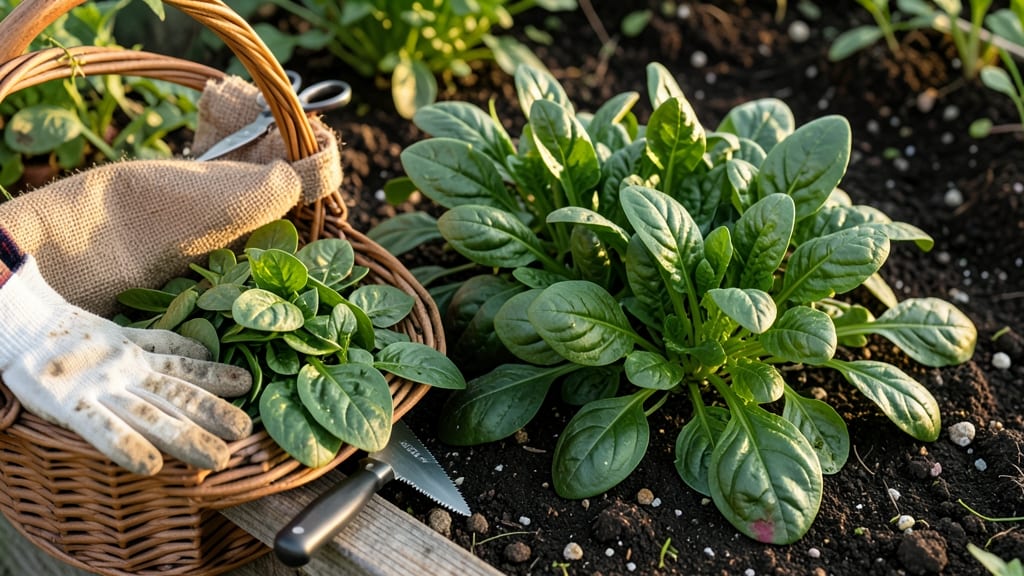
Harvesting spinach at the right time ensures tender, flavorful leaves 🌱 — and missing the window means tough, bitter greens that bolt before you can enjoy them.
Picture this: you’ve nurtured your spinach for weeks, only to pull a leaf that’s already gone to seed. That’s the frustration of harvesting too late. But timing it right isn’t just about avoiding waste—it’s about unlocking the sweetest flavor and encouraging your plants to keep producing.
Most varieties are ready in 4-6 weeks, but leaf size and weather play a bigger role than days alone. Outer leaves should be 4-6 inches long, dark green, and crisp—never yellow or flowering.
In Zone 6a, that means late April to early May for spring plantings, or September for a fall harvest.
Below, I’ll break down how to spot the perfect harvest moment, when to cut for regrowth (and when to take it all), and how to stretch your spinach season for months of fresh greens.

Optimal spinach harvest time: days to maturity and seasonal timing
Timing your spinach harvest correctly ensures you enjoy tender, flavorful leaves instead of tough, bitter ones. The key lies in understanding the difference between baby spinach (30-40 days) and mature spinach (50-60 days), as well as seasonal factors that impact growth.
Whether you're growing cold-hardy varieties like 'Winter Bloomsdale' or heat-sensitive types like 'Tyee,' knowing the right window makes all the difference.
Most spinach varieties reach harvest readiness between 28 and 60 days after sowing, depending on your climate and goals. Baby spinach (harvested young) delivers a milder, sweeter flavor, while mature spinach offers larger leaves ideal for salads or cooking.
The challenge? Heat and long daylight trigger bolting (flowering), so timing is everything for a successful harvest.
| Type | Days to Harvest | Leaf Size | Seasonal Window | Best For |
|---|---|---|---|---|
| Baby Spinach | 30-40 days | 2-4 inches | Spring/Fall (cool temps) | Salads, microgreens |
| Mature Spinach | 50-60 days | 6-12 inches | Early spring/late fall | Cooking, stir-fries |
| Heat-Tolerant | 45-55 days | 4-8 inches | Summer (shaded) | Extended harvest |
For spring harvests, aim to plant spinach 4-6 weeks before your last frost date. In USDA Zone 6a, this typically means sowing seeds in March or early April for a harvest window between April and May.
Cold-hardy varieties like 'Bloomsdale Long Standing' thrive in these conditions, while heat-sensitive types may bolt by mid-spring if temperatures rise above 75°F (24°C).
If you're targeting a fall harvest, plant seeds in late summer (August) to enjoy fresh spinach from September through October.
This strategy avoids the summer heat while still allowing enough time for maturity before the first frost. Semi-savoy varieties like 'Tyee' perform well in these conditions, offering a longer harvest window than smooth-leaf types.
Warm-weather challenges are the biggest hurdle for spinach growers. When daytime temperatures exceed 70°F (21°C), spinach plants bolt prematurely, sending up flower stalks and rendering leaves bitter.
To combat this, I recommend shade cloth (30-50%) during peak afternoon sun or opting for heat-tolerant hybrids like 'Space' or 'Corvair,' which can handle slightly warmer conditions.
Another pro tip: Succession planting every 2 weeks ensures a continuous harvest. By staggering sowing dates, you can enjoy fresh spinach for 8-10 weeks in spring and another 6-8 weeks in fall. This method also helps mitigate bolting risks by spreading out the growth cycle across cooler periods.
When planning your harvest schedule, always check the seed packet for specific variety recommendations. Some savoy spinach types mature faster (30-35 days) than flat-leaf varieties (45-55 days), so adjust your timing accordingly.
For example, 'Giant Winter' savoy spinach is perfect for early harvests, while 'Monstrueux de Viroflay' (a French heirloom) takes longer but rewards you with massive, tender leaves.
Remember, leaf size isn't the only indicator of harvest readiness. Always check for dark green color and crisp texture. If leaves feel tough or develop a slightly woody stem, it's past its prime.
For the best flavor, harvest in the morning after dew has dried—this ensures maximum crispness and sweetness.
Finally, don't overlook the power of season extension. Use row covers or cold frames to push your harvest into late fall or even early winter in mild climates.
With the right timing and techniques, you can enjoy homegrown spinach for nearly half the year—far beyond what store-bought greens can offer.
How to tell when spinach is ready to harvest: leaf size and flavor cues
Harvesting spinach at the right moment transforms your garden into a flavor powerhouse. The key lies in watching for leaf size and texture cues—small details that make a huge difference in taste.
For baby spinach, aim for leaves around 3-4 inches long, while mature varieties should reach 6-8 inches before picking. Timing matters because once spinach starts flowering, those delicate leaves turn bitter and tough.
I always check the leaf color first—vibrant, deep green leaves signal peak flavor. Pale or yellowing leaves mean your spinach is either underwatered or overripe. Another trick? Gently squeeze a leaf—if it feels crisp but flexible, it’s ready.
Overly stiff leaves mean you’ve waited too long, and the texture becomes unpleasant. The morning hours are ideal for harvesting because leaves are hydrated and cooler, preserving their quality.
⚠️ Avoid These Common Harvest Mistakes
- Harvesting too late: Leaves turn tough and bitter, ruining flavor.
- Picking in extreme heat: Causes wilting and stress; harvest in morning shade.
- Cutting entire plants: Always leave 2-3 inches of growth for regrowth.
Pro tip: Use clean, sharp scissors to avoid damaging stems—this encourages more growth!
For continuous harvests, I use the "cut-and-come-again" method. Simply snip the outer leaves when they reach 4-6 inches, leaving the inner leaves to grow. This technique gives you multiple harvests per season without sacrificing plant health.
Just be sure to avoid cutting more than one-third of the plant at once, or you’ll stunt its growth. If you’re growing spinach for seed, wait until the plant bolts and flowers fully—this can take 60-70 days depending on the variety.
Seasonal timing also plays a role. In spring, harvest when leaves are dark green and tender, typically 4-6 weeks after planting. Fall harvests should happen before frost threatens, as cold weather turns leaves mushy.
I’ve found that late summer plantings (like ‘Bloomsdale Long Standing’) thrive in cooler fall temps, giving you a second harvest window. Always check the back of seed packets for variety-specific recommendations—some spinach matures faster than others.
One of my biggest lessons? Don’t rush the harvest. Rushed spinach lacks flavor and nutrients, while overripe spinach becomes woody and stringy. I now set a weekly reminder to inspect my plants, ensuring I catch them at peak readiness.
If you’re unsure, taste-test a leaf—sweet and mild means it’s perfect; bitter or grassy means it’s past its prime. With practice, you’ll develop an eye for the ideal harvest window every time.
Store harvested spinach in the crisper drawer of your fridge for up to 5-7 days, or wash and dry leaves thoroughly before using in salads or cooking. Proper storage keeps those nutrient-rich greens fresh longer, so you can enjoy homegrown spinach all season. Happy harvesting! 🌿