
How To
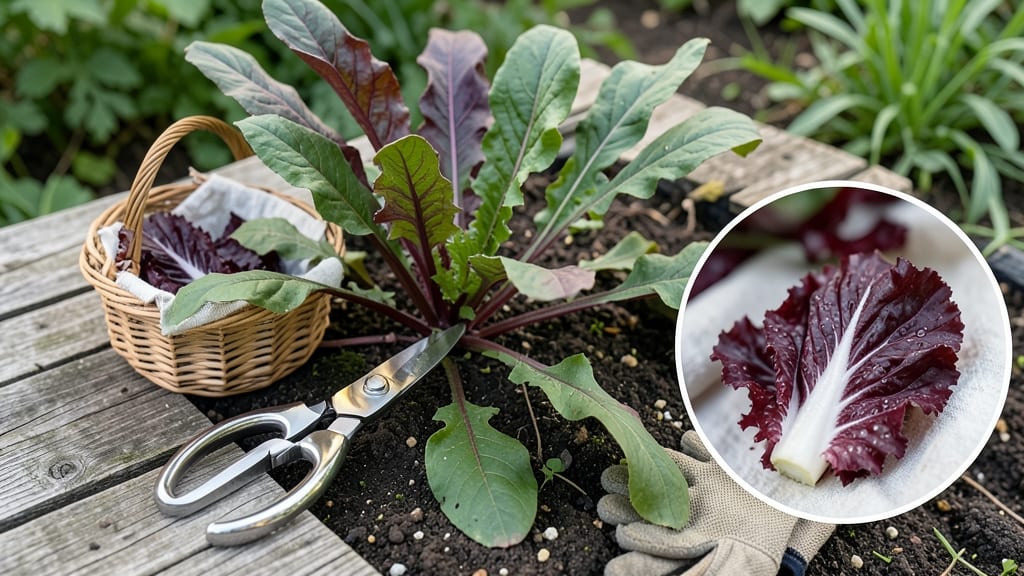
Harvesting chicory at the right time means the difference between crisp, tender leaves 🥬 and tough, bitter greens that ruin your salad.
You’ve sown the seeds, watched them sprout, and now the real test begins: knowing exactly when to snip. Too early, and you’re left with puny leaves. Too late, and the flavor turns sharp enough to make your guests reach for the lemon wedge.
Leaf chicory thrives when harvested between June and October, but the key isn’t just the month—it’s the leaf size. Aim for 6 to 8 inches long, with a slight crispness and just a hint of bitterness. That’s the sweet spot for salads, wilted greens, or even roasting.
Below, I’ll walk you through the leaf size check, the bitter edge test, and how to adjust for root chicory if you’re growing the thicker variety. No more guessing—just perfect timing for the best flavor.

How to identify the perfect chicory leaf size for harvesting
Harvesting chicory at the right leaf size transforms your salad game—tender, 6-8 inch leaves pack the perfect balance of crisp texture and mild bitterness. Miss this window, and you’ll end up with tough, overgrown foliage that’s barely edible.
The key is watching for visual maturity cues that signal peak harvest time without sacrificing flavor.
Chicory leaves grow quickly, especially in full sun conditions, but their ideal harvest window is surprisingly narrow. Start checking your plants around 45-60 days after sowing, when the outer leaves reach 4-6 inches.
This early stage is perfect for baby leaf salads, where delicate, mildly sweet flavors shine.
Here’s the golden rule: Harvest leaf chicory when individual leaves measure 6-12 inches long. This size range ensures maximum flavor intensity and textural crunch—the sweet spot for most culinary uses.
Leaves shorter than 6 inches may lack the bold bitterness chicory lovers crave, while anything over 12 inches often becomes fibrous and tough.
| Feature | Baby Leaves (4-6") | Ideal Harvest (6-12") | Overmature (>12") |
|---|---|---|---|
| Leaf Size | 4-6 inches | 6-12 inches | 12+ inches |
| Texture | Very tender | Crisp, firm | Tough, leathery |
| Flavor Profile | Mild, sweet | Balanced bitter | Overly bitter |
| Best Use | Baby leaf salads | Fresh salads, wilted greens | Roasting, bitter dishes |
| Harvest Frequency | Every 3-5 days | Every 7-10 days | Rarely used |
| Visual Cues | Bright green, no yellowing | Deep green with slight bitterness | Yellowing edges, woody stems |
Pay close attention to the leaf edges—this is where chicory’s bitterness intensifies as it matures. Younger leaves have smooth, slightly curled edges, while mature leaves develop rough, jagged edges. The transition from smooth to jagged signals it’s time to harvest before the bitterness becomes overwhelming.
Another pro tip: Harvest outer leaves first to encourage continuous regrowth. This method lets you enjoy a steady supply of tender leaves throughout the growing season. Simply grasp the base of the largest outer leaf and give it a firm twist—it should snap cleanly at the stem.
Avoid cutting too close to the inner rosette, as this can damage the plant’s growth center.
If you’re growing chicory for root harvest (like for Belgian endive), the leaf size rules change. Wait until the outer leaves yellow and wilt, signaling the root has reached maturity. At this stage, the inner leaves will be tightly curled and pale—ideal for forcing into sweet, blanched endive.
Temperature plays a surprising role in chicory’s harvest timing. Cooler spring and fall conditions slow growth, so leaves may take longer to reach 6-8 inches.
In hot summer months, chicory bolts faster, so monitor your plants daily to catch the sweet spot before the plant sends up a flower stalk.
For maximum yield, aim to harvest chicory before flowering. Once the plant bolts, the leaves become woody and bitter, and the nutritional quality declines sharply. If you notice a tall stem emerging from the center, it’s already too late for leaf harvests—save those plants for root production instead.
Pro gardeners swear by the "thumb test" for chicory readiness
The bitter edge test: why and how to use it for chicory
Chicory leaves develop their signature bitter flavor as they mature, which is why timing your harvest matters so much. The bitter edge test is my go-to method to determine when leaves are at their peak for flavor and texture.
This simple technique helps you avoid harvesting leaves that are either too young (mild but bland) or overmature (harsh and tough).
Understanding this test starts with recognizing that chicory's bitterness compounds increase as leaves grow larger. Younger leaves stay tender and slightly sweet, while older leaves become fibrous and intensely bitter.
The key is finding that perfect balance where the leaf's edge has just enough bitterness to enhance your salad without overpowering it.
⚠️ Harvest Too Late Warning
Leaving chicory in the ground past its ideal harvest window causes two problems: excessive bitterness and tough, fibrous texture. Once leaves develop a yellowish edge or start curling, they've passed their prime. For leaf chicory, this usually happens after 60-75 days of growth, depending on your climate.
To perform the bitter edge test, simply examine the outer leaves of your chicory plant. Gently pinch a small section of the leaf edge between your thumb and forefinger. If you feel a slight crisp resistance with just a hint of bitterness, that's your cue to harvest.
For a milder flavor, aim for leaves where the edge is still mostly tender and flexible.
For gardeners who prefer more intense flavors—like those used in Belgian endive preparation—wait until you detect a more pronounced bitter edge. These leaves will be larger (typically 8-12 inches long) and slightly thicker.
The key is consistency: if multiple outer leaves show this bitterness, it's time to harvest the entire plant or cut back the outer leaves to encourage new growth.
Pro tip: Always harvest chicory in the morning when leaves are most hydrated. This ensures the best texture and makes the bitter edge test more reliable. Cut leaves at the base with clean scissors or shears, leaving about 2 inches of stem to encourage regrowth for multiple harvests.
Remember that chicory's bitterness isn't just about flavor—it's also an indicator of nutritional value. The compounds that create bitterness often contain beneficial antioxidants. By mastering the bitter edge test, you're not just optimizing taste; you're also maximizing the plant's health benefits for your salads and dishes.