
How To
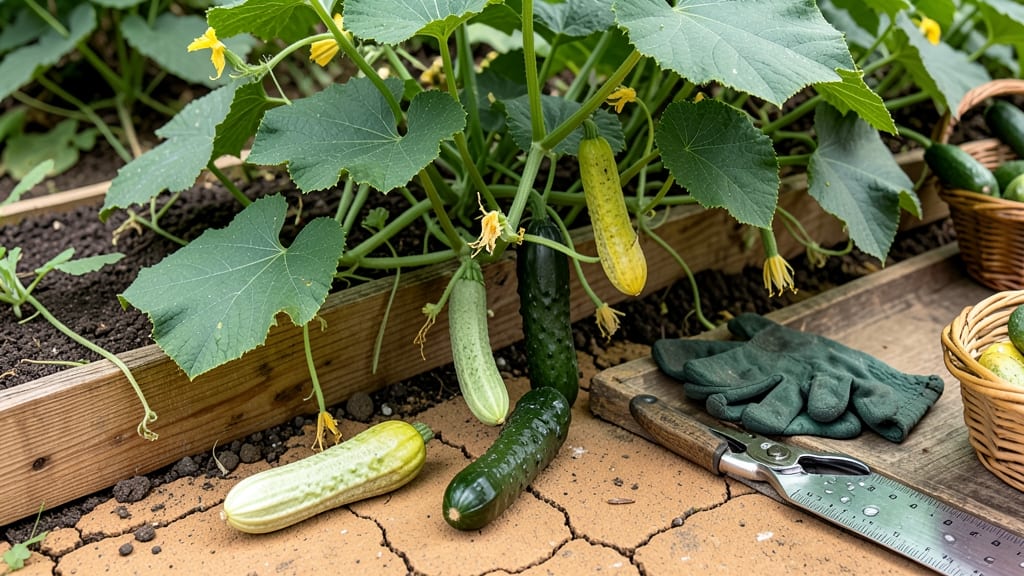
To know when to pick cucumbers, watch for three key signals: 6-8 inches in length, a firm but yielding skin, and a stem that snaps cleanly when bent 🥒 — these are your cues for peak flavor and texture.
Picking cucumbers at the wrong time can turn your crisp, fresh harvest into a mealy, bitter disappointment—so knowing the exact moment to pluck them is key to a thriving garden.
Most gardeners miss the window because they focus only on size, but texture and stem color are equally important. A cucumber that’s too small or too tough will never deliver that satisfying crunch, while one left too long on the vine becomes seedy and bitter.
In this guide, I’ll walk you through the visual, tactile, and size-based cues to harvest at the perfect moment, plus how to store them afterward to keep that garden-fresh quality for days.
Cucumber vine growth stages: visual cues for perfect picking timing
Understanding your cucumber vine’s growth stages is the secret to harvesting crisp, flavorful cucumbers every time. From the first yellow flowers to the final seed-filled fruit, each phase offers unique visual and tactile clues about when to pick 🥒.
Most gardeners overlook the subtle differences between pre-flowering, flowering, and fruiting stages, leading to missed harvest windows.
The key to perfect timing lies in recognizing three critical signals: size, skin texture, and stem color. A cucumber that’s too small lacks flavor, while one left too long becomes seedy and bitter.
I’ve grown cucumbers for over a decade, and I can tell you—mastering these cues will transform your harvest from disappointing to downright delicious.
The pre-flowering stage is all about leafy growth—no cucumbers here! Once you spot yellow flowers (male) and tiny green blooms (female), you’re entering the flowering phase.
Female flowers will develop into cucumbers within 7-10 days, so keep an eye out for the first pea-sized bumps forming at the base of these blooms.
During the fruiting stage, cucumbers grow rapidly. The ideal harvest window opens when they reach 6-8 inches in length. At this point, the skin should feel firm but slightly yielding when gently squeezed—a telltale sign of peak ripeness.
Press your thumbnail into the cucumber’s skin: if it leaves a slight dent but doesn’t pierce, it’s ready to pick 🤏.
Pay close attention to the stem color where the cucumber attaches to the vine. A green stem end means the cucumber is still growing, while a yellow or brown stem signals maturity. This color change happens because the plant stops supplying nutrients to the cucumber, redirecting energy to new growth.
If you miss this cue, the cucumber will continue swelling, becoming seedy and bitter.
One common mistake is harvesting based solely on size. Some varieties, like Lemon cucumbers, stay small but are perfect to pick at 3-4 inches. Others, like long English cucumbers, can grow up to 12 inches before reaching ideal flavor.
Always check the skin texture and stem color alongside size for the most accurate timing.
For bush varieties, cucumbers may ripen faster due to their compact growth habit. In contrast, vining types on trellises often take longer to reach harvest size. I recommend checking your plants every 2-3 days during peak growing season (June-August) to catch the perfect moment.
A quick morning inspection after watering makes this task effortless and ensures you never miss a harvest.
If you’re growing pickling cucumbers, harvest them slightly smaller (2-3 inches) for the best crunch. For slicing varieties, wait until they reach 7-9 inches and develop a deep green hue
Common mistakes that ruin cucumber harvests (and how to avoid them)
Even the most attentive gardeners can end up with bitter, seedy, or shriveled cucumbers if they overlook a few critical care steps. The biggest culprits? Poor spacing, inconsistent watering, and neglecting pruning—all of which stress the plant and force it to produce low-quality fruit.
I’ve seen cucumber vines collapse under their own weight because they weren’t properly trained or supported, leading to cracked fruit and wasted effort. Or worse, gardeners wait too long to harvest, only to find their cucumbers have turned into woody, inedible messes overnight.
These mistakes aren’t just frustrating—they can ruin an entire season’s yield if left unchecked.
Let’s tackle the most common pitfalls first: overcrowding and underwatering are the silent harvest killers. Cucumbers need 36-48 inches of space per plant to thrive, and even a slight water shortage can trigger bitterness. Skipping these basics often leads to stunted growth and poor flavor.
⚠️ How to Know When to Pick Cucumber (Avoid These Red Flags!)
- Green stem end = Still growing (wait 1-2 days)
- Hard skin = Underripe (harvest when firm but yielding)
- Yellow/brown stem = Overripe (pick immediately or compost)
Pro Tip: Use your thumbnail—if the skin dents slightly but doesn’t bruise, it’s perfect for picking! 🤏
Next up: Pruning mistakes that sabotage your harvest. Many gardeners avoid pruning cucumbers entirely, fearing it’ll reduce yield—but the opposite is true. Removing yellow leaves and side shoots improves airflow, preventing fungal diseases like powdery mildew, which thrives in dense foliage.
I recommend pruning every 2-3 weeks during peak growing season (June-August) to keep vines productive. Focus on cutting back overly aggressive side shoots that steal energy from fruit production. This simple step can double your harvest if done correctly!
Finally, watering inconsistencies are the #1 reason cucumbers develop uneven shapes or blossom-end rot. Cucumbers need 1-2 inches of water weekly, delivered consistently at the soil level—not overhead. Morning watering is ideal to prevent fungal issues, and mulching with straw helps retain moisture.
By fixing these three areas—spacing, pruning, and watering—you’ll transform your cucumber harvest from disappointing to downright abundant. The key is observation: check vines daily for ripe fruit, prune aggressively, and keep soil moist but not soggy. Your taste buds (and your neighbors!) will thank you. 🌱