
How To
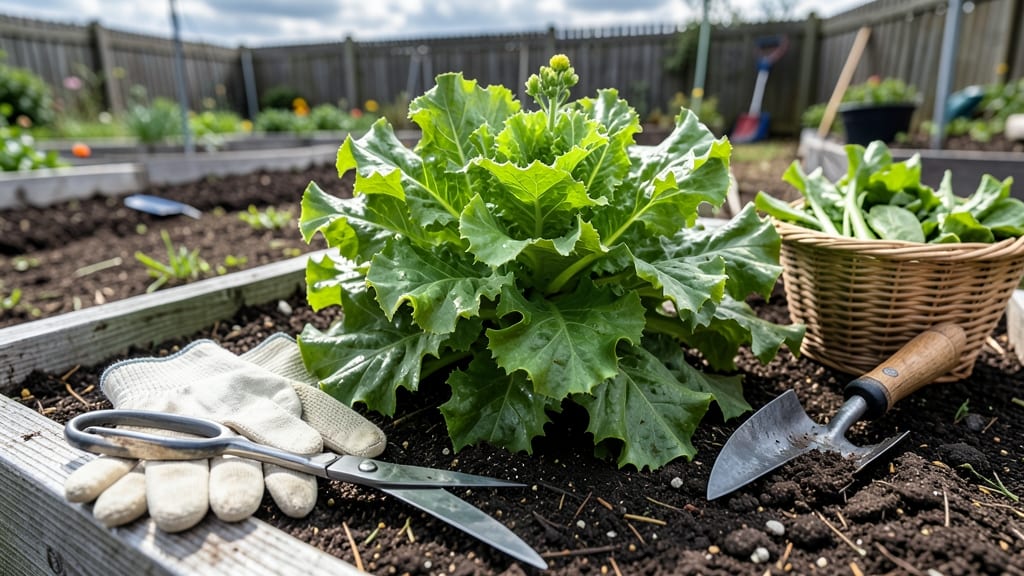
To pick green leaf lettuce at its peak, you need to check for crisp leaves, vibrant color, and a sturdy stem—all signs the harvest is ready.
Picture this: You’ve spent weeks nurturing your 🥬, only to pull a head that’s wilted or bitter. That’s the moment you realize timing and technique matter just as much as soil and sun.
In this guide, I’ll walk you through the exact visual cues to look for, from leaf firmness to stem strength, plus the best time to harvest before bolting turns your crop into a sad, seedy mess.
You’ll also discover how to cut (not pull) for regrowth, which tools to use, and how to store your harvest so it stays crisp for days, not hours—no more sad, limp salads.


5 Key visual & texture signs of fresh green leaf lettuce
When you're ready to harvest your green leaf lettuce, knowing the visual and texture cues makes all the difference. The best lettuce isn't just any green leaves—it's crisp, vibrant, and structurally sound.
These signs ensure you're picking lettuce at its peak, whether from your garden or the grocery store.
I’ve learned the hard way that overlooking even one clue can lead to bitter, wilted, or disappointing lettuce. Let’s break down the five must-check signs that separate good lettuce from great lettuce, so you can enjoy those fresh salads without compromise.
- 1. Leaf Color: Look for deep, consistent green—no yellowing or browning. Pale leaves mean nutrient deficiency or over-maturity.
- 2. Leaf Firmness: Gently squeeze a leaf—it should spring back like a fresh spring onion, not stay crushed or limp.
- 3. Stem Strength: The base should feel sturdy, not mushy or hollow. A weak stem means poor root health.
- 4. Leaf Size & Shape: Aim for leaves 4-6 inches long with even, serrated edges. Smaller leaves are underdeveloped.
- 5. No Bolting Signs: Check for flower stalks or bitter taste—these mean the lettuce is past its prime.
Let’s dive deeper into why these visual and texture signs matter. A deep green color isn’t just about looks—it’s a sign of high chlorophyll, which means better flavor and nutrients.
I’ve noticed that yellowing leaves often indicate nitrogen deficiency or too much sun, while brown edges can mean drought stress.
When it comes to leaf firmness, this is where many gardeners (including me at first!) make mistakes. A crisp leaf should feel resilient, almost like a fresh celery stalk.
If it feels soggy or mushy, it’s either overwatered or rotting. I once picked lettuce that looked fine but turned to mush in my fridge—never again!
The stem condition is another game-changer. A healthy stem should be thick and firm, not brittle or hollow. If you’re growing lettuce, pull gently—if it resists, the roots are strong.
If it pulls out easily, it’s underwatered. This is how I know my plants are thriving before I even check the leaves.
Don’t overlook leaf size and shape. While small leaves are fine for baby greens, mature green leaf lettuce should have leaves that are at least 4 inches long. Look for even, serrated edges—uneven or curled leaves can signal stress, whether from heat or poor soil.
I once grew lettuce with puckered leaves because I forgot to mulch—lesson learned!
Finally, bolting is the silent killer of green leaf lettuce. If you see tall flower stalks or a bitter taste, your lettuce has gone to seed. This happens when lettuce gets too much heat or too little water.
To avoid this, I now harvest outer leaves first and keep my plants well-watered—especially in hot summer months.
Now that you know what to look for, you can confidently pick fresh, crisp green leaf lettuce every time. Whether you’re harvesting from your garden or selecting at the store, these five signs will ensure you get the best flavor and texture.
Happy harvesting—and may your salads always be crisp and delicious! 🥬
Green leaf lettuce buying checklist: store vs. farmers market vs. homegrown
Choosing the perfect green leaf lettuce depends entirely on where you buy it—whether from a supermarket, farmers market, or your own home garden. Each setting offers different quality cues, seasonality benefits, and even organic options.
I’ve learned that what works for store-bought lettuce won’t always apply to homegrown crops, and vice versa.
The key to selecting peak-quality lettuce lies in understanding these unique factors. At the store, you’ll focus on packaging integrity and pre-cut freshness. At farmers markets, you’ll prioritize seasonal availability and organic certifications. Meanwhile, homegrown lettuce requires checking for bolting signs and soil health—factors stores never reveal.
At supermarkets, packaging is your first clue. Look for whole heads with tightly wrapped plastic—condensation inside means the lettuce is already rotting. Pre-cut lettuce is convenient but often wilts within 2 days.
I’ve seen "fresh" lettuce turn to mush overnight because it was washed and packaged days earlier. Always opt for whole heads and wash them yourself for maximum freshness.
Farmers markets offer the freshest lettuce because it’s often harvested the same morning. Vendors usually grow seasonal varieties, so spring and fall are your best bets. Ask when the lettuce was harvested—if it’s been sitting for days, it’s already past its prime.
I once bought lettuce at a market that had been harvested 3 days prior—it tasted bitter and wilted by lunch.
For homegrown lettuce, seasonality is critical. Plant in cool months (spring or fall) to avoid bolting from heat. Check leaves for crispness and color—dark green means it’s ready.
I’ve learned that harvesting in the morning ensures the best flavor and texture. Plus, homegrown lettuce is always organic, free from pesticides, and packed with nutrients.
No matter where you buy your green leaf lettuce, always prioritize freshness over convenience. Whether you’re grabbing it from the store, market, or your own garden, these checks will ensure you get crisp, flavorful lettuce every time. Happy harvesting! 🥬