
How To
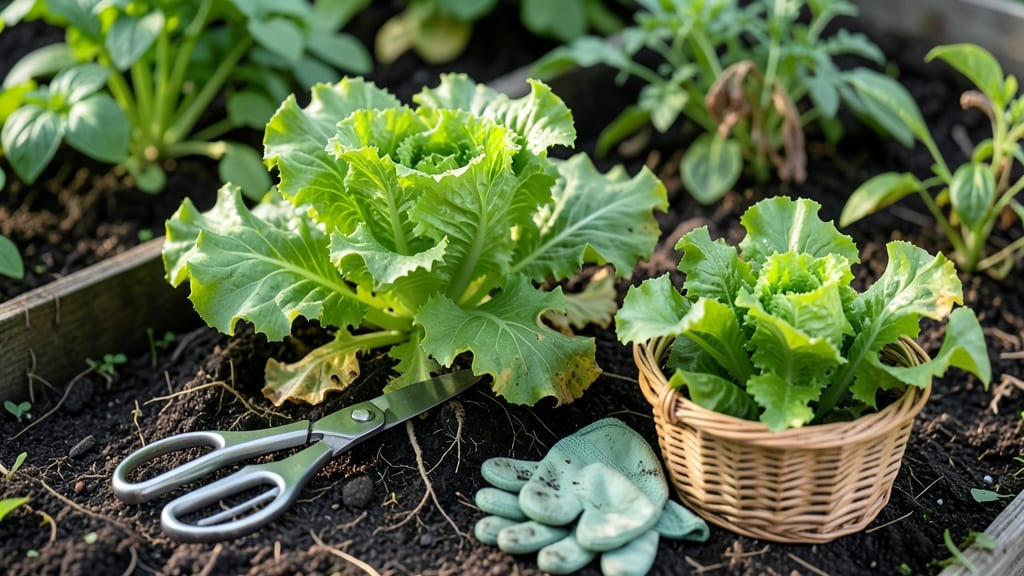
To harvest green leaf lettuce at its peak, focus on cutting outer leaves when they reach 4–6 inches—this keeps the plant producing while preserving flavor and texture.
Green leaf lettuce thrives when harvested correctly—cut too early, and you lose flavor; wait too long, and it bolts. Mastering the perfect timing ensures a steady supply of tender, crisp leaves all season long.
Unlike head lettuce, leaf varieties like 🥬 regrow after harvest, but the key is patience. Snip just the outer leaves, leaving the inner ones to mature, and you’ll enjoy a continuous harvest for weeks.
Below, I’ll walk you through the exact cutting techniques, tools to use, and seasonal tips to maximize your yield without stressing the plant.


When to harvest green leaf lettuce for optimal regrowth and flavor
Harvesting green leaf lettuce at the right time is the secret to a continuous supply of tender, flavorful leaves. Unlike head lettuce, leaf varieties like Buttercrunch or Oakleaf regrow after cutting, but timing matters.
Harvest too early, and you sacrifice flavor; wait too long, and the plant bolts, sending up bitter flower stalks. The key is to cut leaves when they reach 4-6 inches long while still maintaining a vibrant green color and crisp texture.
Seasonal timing also plays a crucial role. In spring, aim to harvest between May and June when temperatures are mild, while fall harvests should occur from October to November before frost sets in.
Avoid harvesting during extreme heat or cold, as these conditions stress the plant and reduce regrowth potential. By understanding these maturity stages and seasonal cues, you can maximize your yield without compromising future harvests.
To check if your green leaf lettuce is ready for harvest, gently pinch a leaf to test its texture. It should feel firm but still tender—like the perfect al dente pasta. If the leaf crunches or feels too soft, it’s not ready yet.
Additionally, inspect the color: vibrant green indicates peak flavor, while yellowing or brown edges signal stress or over-maturity. Avoid harvesting leaves that show signs of bolting, such as elongated stems or flower buds, as these will ruin the tender flavor.
Seasonal timing is equally important. In spring, green leaf lettuce grows quickly when temperatures hover between 50°F and 70°F. Harvest in the morning after dew has dried to ensure crispness. In fall, extend your harvest season by planting 8-10 weeks before the first frost.
This gives the lettuce time to mature before cold weather triggers bolting. If you’re growing in containers, monitor soil moisture closely, as pots dry out faster and can stress the plant.
One common mistake is harvesting entire heads instead of individual leaves. For continuous regrowth, always cut the outer leaves first, leaving the inner rosette intact. This method encourages the plant to produce more leaves, giving you a steady supply.
If you notice the center leaves becoming tough or bitter, it’s a sign you’ve waited too long. In this case, harvest the entire plant and compost it to prevent reseeding. Always use clean, sharp scissors or pruners to avoid damaging the plant.
Weather conditions also influence harvest timing. Avoid cutting lettuce after heavy rain, as the soil may be too wet, and the leaves can become muddy or develop fungal issues. Similarly, harvest during cool, overcast days to preserve crispness.
If you’re growing in a hot climate, provide afternoon shade to prevent the lettuce from bolting prematurely. Mulching with straw or grass clippings helps maintain even soil temperatures and moisture levels, creating ideal conditions for regrowth.
For maximum flavor, harvest green leaf lettuce in the morning and store it in the refrigerator for up to 5-7 days. To extend its shelf life, wrap the leaves in a damp paper towel and place them in a sealed container.
If you notice the leaves wilting, submerge the stems in ice water for 10-15 minutes to revive them. This simple trick works wonders for restoring crispness. By following these harvest guidelines, you’ll enjoy a bountiful supply of tender, flavorful lettuce all season long.
Remember,
Step-by-Step guide: how to cut green leaf lettuce for continuous harvests
Harvesting green leaf lettuce correctly is key to enjoying fresh, crisp leaves for weeks. Unlike head lettuce, leaf varieties regrow after cutting, giving you a continuous harvest if done properly. The trick lies in using the right cutting techniques and timing to avoid stressing the plant or triggering bolting.
Start by selecting the outer leaves first—they’re mature enough to eat while leaving the inner leaves to grow. This method ensures your lettuce keeps producing without sacrificing future yields. Grab your sharp pruning shears or clean kitchen scissors, and let’s dive into the step-by-step process.
How to Cut Green Leaf Lettuce for Regrowth
- 🌱 Step 1: Choose the Right Leaves
Select 4-6 outer leaves that are 4-6 inches long and fully grown. These leaves should be vibrant green and firm to the touch. - ✂️ Step 2: Use Clean Tools
Disinfect your pruning shears or scissors with rubbing alcohol to prevent disease. Sharp tools make cleaner cuts that heal faster. - 📏 Step 3: Cut at the Base
Hold the leaf 1-2 inches above the soil line and cut at a 45-degree angle. This angle helps water run off and prevents rot. - 💧 Step 4: Water Immediately After
Give the plant a light watering to reduce stress. This encourages faster regrowth of the remaining inner leaves. - 🌿 Step 5: Repeat Every 2-3 Weeks
Continue harvesting outer leaves as they mature, leaving the inner rosette intact. This method keeps your lettuce producing for 6-8 weeks.
After cutting, keep your lettuce in a shady, moist environment to speed up recovery. Avoid harvesting during hot afternoons or when the plant looks stressed—this can lead to bolting or bitter flavors. Instead, opt for cool mornings when leaves are crisp and hydrated.
If your lettuce starts to bolt (send up flower stalks), it’s a sign you waited too long to harvest. To prevent this, prioritize regular harvesting and provide consistent moisture. Mulch around the base to retain soil moisture and keep roots cool, which delays bolting in warm weather.
With this method, you’ll enjoy a steady supply of fresh greens all season long—no need to replant! Just remember: less is more. Over-harvesting weakens the plant, so always leave at least half the leaves to keep growing.